
Last updated October 31, 2026
 Home additions & ADU
 Kitchen remodeling
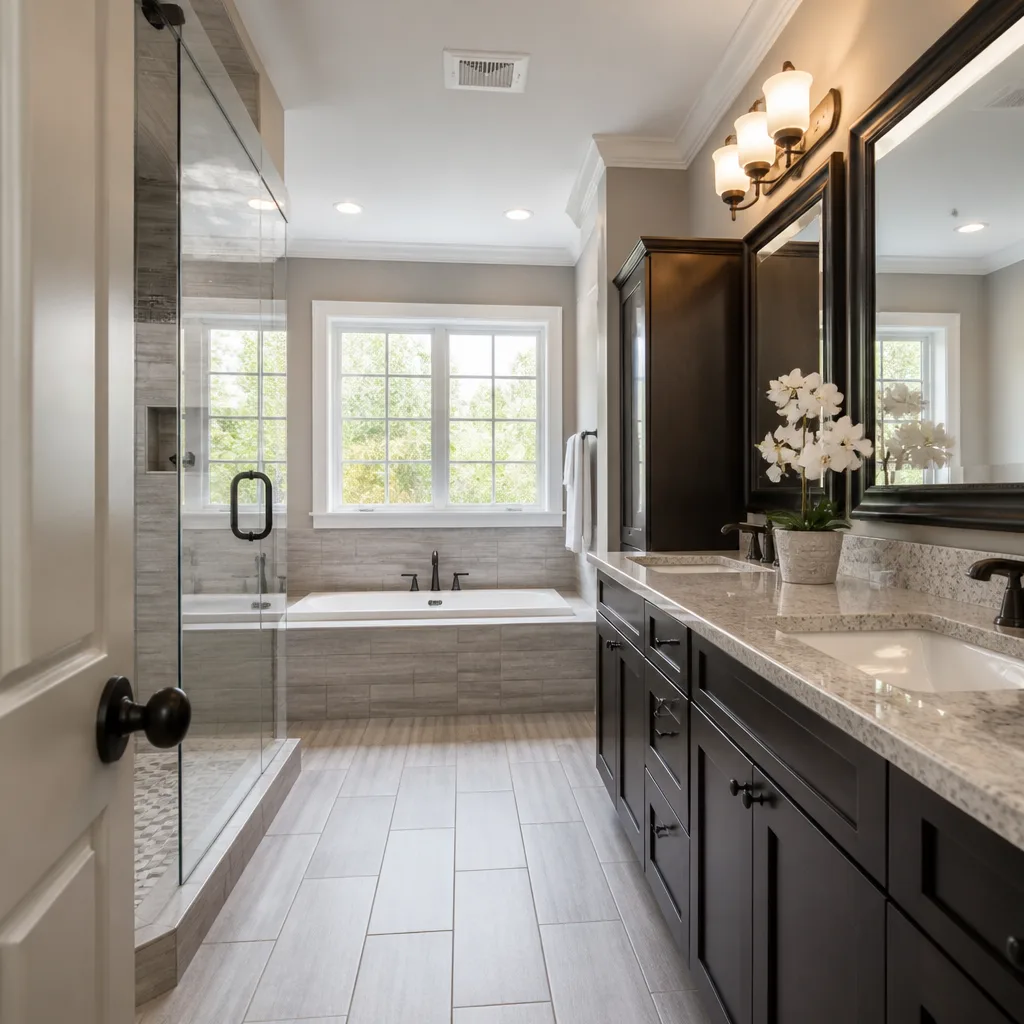 Bathroom remodeling
 Roofing
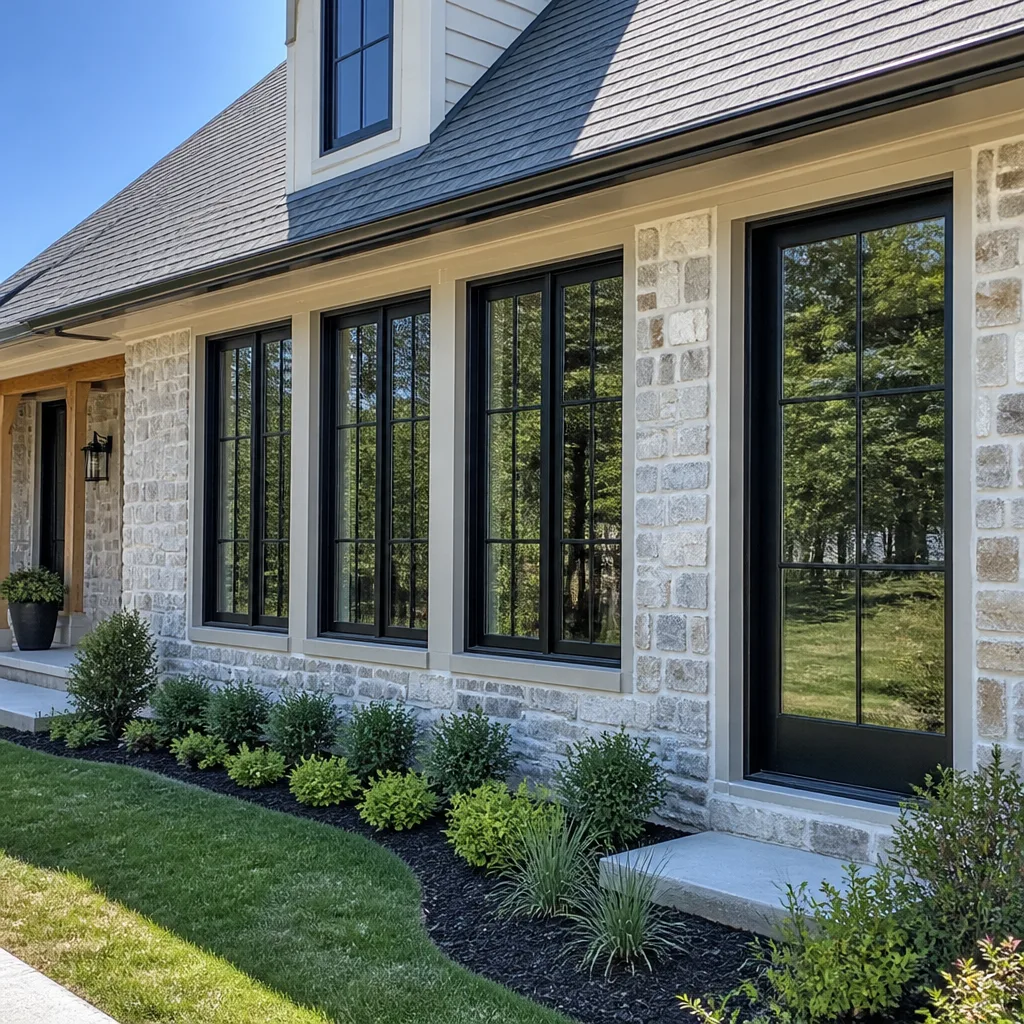 Windows & doors
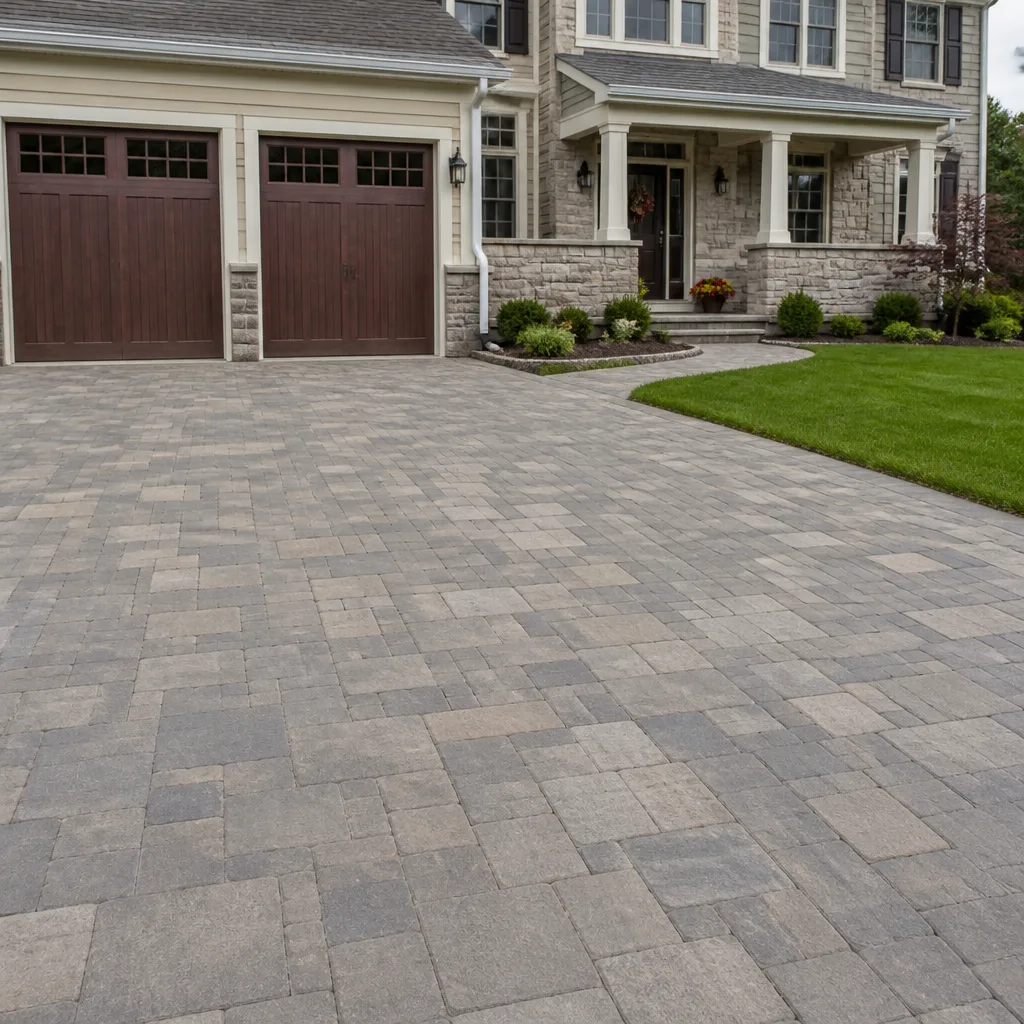 Driveway & pavers
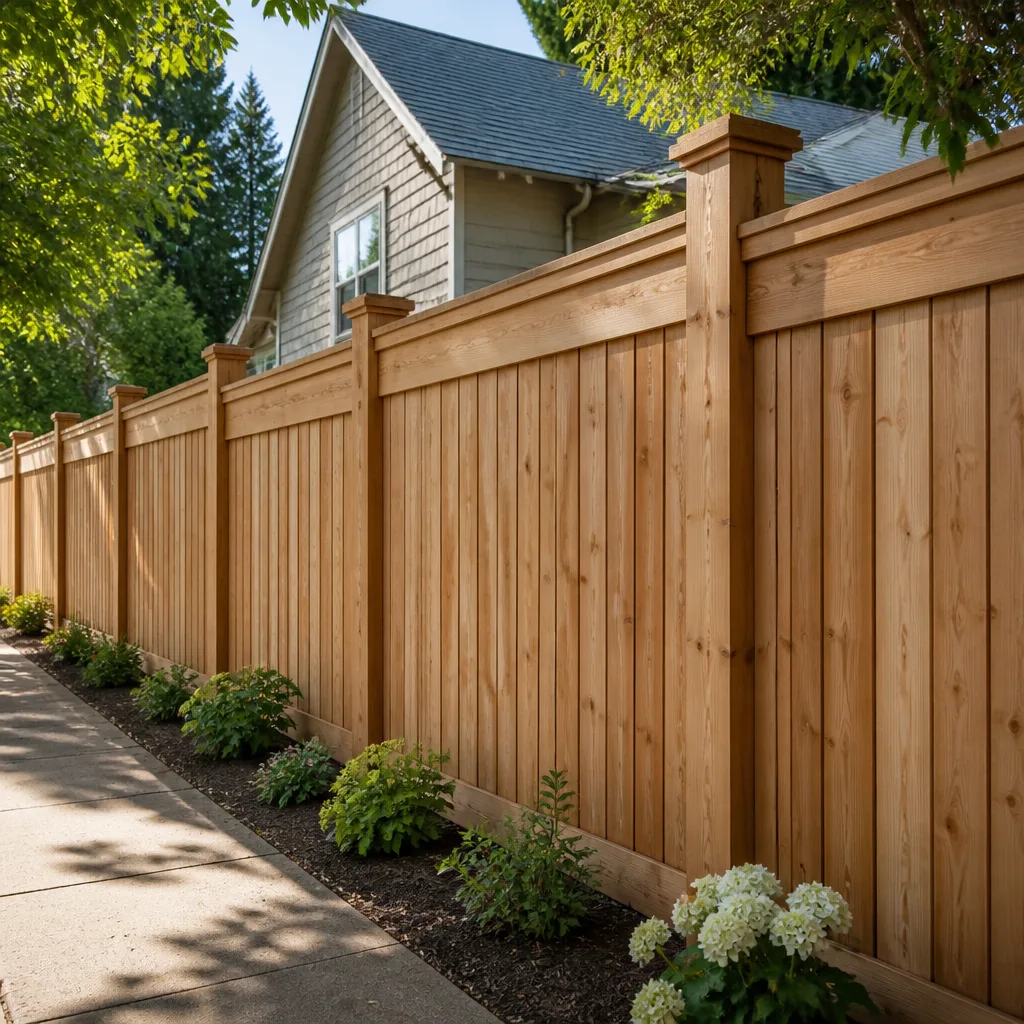 Fence
Free written scope consultation - allowances, timeline, and change-order rules on paper before a single trade is scheduled
DIY vs Professional Construction: The Rialto Homeowner’s Decision Guide
In California, a homeowner can legally act as their own general contractor or pull their own electrical permit on a residence they own and occupy. That part surprises people. What surprises them more is finding out they still have to meet the same code, pass the same inspections, and carry the same liability as a licensed pro. In Rialto, where summer heat pushes roofs past 140 degrees and the housing stock spans everything from 1950s ranches to early-2000s stucco tract homes, the real question isn’t “can you do it yourself?” The real question is what happens when the inspector finds something wrong, and now you’re paying to fix it after the fact. This guide draws the line where it actually belongs so you can spend your own sweat equity where it pays and hand off the rest before it costs you.
Styles & brands we work with
Quick Answer
DIY makes sense in Rialto for finish work and cosmetic updates: painting, trim, cabinet hardware, landscaping, and basic demo with proper debris control. It stops making sense the moment a project touches structural framing, the building envelope, or any mechanical system tied to Title 24 energy compliance. For those jobs, a licensed contractor’s permit history, material access, and liability coverage almost always cost less than a failed inspection and a second permit. The smartest Rialto homeowners use a hybrid approach: they take the low-risk finish work themselves and hand the envelope, structural, and mechanical scope to one general contractor under one contract. For more on this process, see our guide on How to Hire a Construction Contractor in Rialto: A Step-by-Step Guide.
Table of Contents
- The California Owner-Builder Exemption: What It Actually Permits
- The Resale Disclosure Requirement Most Rialto Homeowners Miss
- Where DIY Genuinely Saves Money in Rialto
- Where DIY Creates Inspection Failure Risk
- The Hidden Cost of DIY Rework: Materials, Permits, and Markup
- The Hybrid Model: Using a General Contractor as Project Manager
- Material Access and Brand Sourcing: Where Pros Have an Edge
- Common Mistakes to Avoid
- When to Call a Professional
- Frequently Asked Questions
The California Owner-Builder Exemption: What It Actually Permits
California Business and Professions Code Section 7044 lets a homeowner act as their own contractor on a property they own and occupy, provided they do the work themselves or hire their own subs directly. That’s the legal foundation for DIY construction in Rialto. But the exemption has hard boundaries, and property owners in Rialto who treat it as a blanket license to do anything are the ones we see paying double by the time the job actually passes.
Here’s what the exemption actually covers:
- Electrical work on your own residence, if you pull the permit and pass the same inspection a licensed electrician would face.
- Plumbing work on your own home, same conditions: permit, inspection, and code compliance.
- Structural framing, roofing, siding, and window replacement, all legal under owner-builder, all subject to Rialto’s permit and inspection process.
- Acting as your own general contractor on an addition or remodel, meaning you hire and schedule the subcontractors yourself.
What it does not permit is doing unpermitted work and hoping nobody notices. Rialto’s building department has inspection records tied to the property address. When you sell, the buyer’s title company and the buyer’s inspector are going to compare what’s there against what was permitted. Unpermitted work becomes a negotiation line item at best and a deal-killer at worst. The same goes for hiring unlicensed workers under your owner-builder permit: you become the employer, and you carry the workers’ comp exposure if someone gets hurt. For Rialto homeowners, the takeaway is simple: the exemption is real, but it transfers responsibility to you, not away from you.
For a broader look at how this plays out across project types, our Home Remodeling in Bloomington guide covers the same owner-builder logic applied to full remodels.
The Resale Disclosure Requirement Most Rialto Homeowners Miss
When you sell a home in Rialto, the California Residential Purchase Agreement includes a Transfer Disclosure Statement. One of the questions asks whether any work was performed without permits or completed under an owner-builder arrangement. The penalty for lying on that form isn’t theoretical. It’s fraud, and it follows the transaction for years after closing. Buyers have successfully sued sellers over undisclosed owner-builder work, especially when structural or mechanical systems were involved.
Here’s how it plays out in the Inland Empire market:
- You do a bathroom remodel yourself under an owner-builder permit, or skip the permit entirely.
- You list the house in Rialto. The buyer’s inspector flags evidence of recent work and pulls the permit history.
- The buyer asks for a retrofit permit, or asks you to repair work that doesn’t meet current code, or demands a price reduction.
- You either pay to fix it now, or the deal falls apart and you’re back on the market with a disclosure problem.
This isn’t a worst-case scenario. It’s the default outcome for unpermitted or owner-builder mechanical and structural work in a market where buyers are represented by agents who know exactly what to look for. The resale disclosure becomes a leverage point. And the money you saved by not hiring a licensed contractor is often a fraction of what you give back at the negotiating table. If you plan to stay in the home for 15 years and the work is genuinely in your skill set, the calculus changes. But if there’s any chance you’ll sell inside a decade, treat every mechanical or structural project as a disclosure event.
Where DIY Genuinely Saves Money in Rialto
The honest answer to “where does DIY make sense” is narrower than most people want to hear, but it’s real. There are specific categories where the material cost is low, the inspection risk is zero or near zero, and the labor savings are meaningful. Rialto’s climate and housing stock shape this list in ways that matter. Homes here tend to be single-story ranchers and two-story stucco boxes built between 1960 and 2010. Interior finish work on those houses is predictable, and that predictability is what makes DIY viable.
Here’s where Rialto homeowners genuinely save money with their own labor:
- Interior painting and patching. In a 1,500-square-foot Rialto rancher, pro interior painting runs roughly $4,000 to $7,000. DIY paint and supplies land around $800 to $1,500. The skill bar is achievable for an amateur, and mistakes are cheap to fix.
- Cabinet hardware replacement. Swapping knobs and pulls on 30 doors and drawers costs $200 to $400 in materials and takes a weekend. A handyman charges $300 to $600 for the same job. Zero permit exposure.
- Finish trim and baseboard touch-ups. Patching, caulking, and repainting baseboards and door casings is low-risk finish work. The materials are cheap, and the inspection risk doesn’t exist.
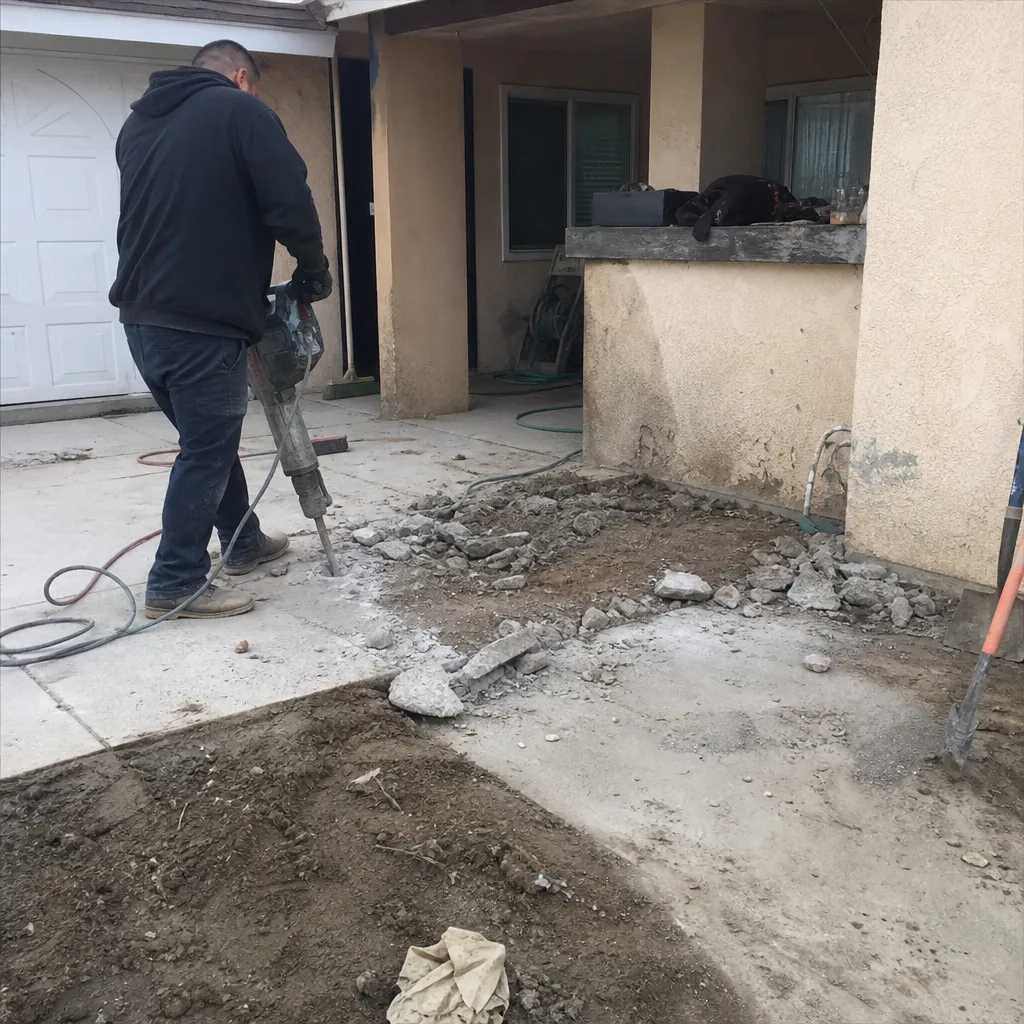
- Landscaping and hardscape prep. Demo of old planters, basic grading, and clearing out dead landscaping is honest sweat equity. It also reduces the labor bill if you later bring in a contractor for a paver patio or retaining wall.
- Selective demolition. Pulling out a dated vanity, removing carpet, or stripping old backsplash tile is workable for a homeowner with proper dust control. The rule: demo only what you won’t need to pass an inspection on.
The pattern across all of these is the same. They’re cosmetic, they’re reversible, they don’t touch structure or systems, and a mistake costs a few hundred dollars to correct, not a few thousand. That’s the correct threshold for DIY in Rialto. When you cross from finish work into anything attached to framing, weatherproofing, or mechanical systems, the math flips hard.
Where DIY Creates Inspection Failure Risk
Rialto sits in San Bernardino County, which means permits and inspections run through the city’s building division. Rialto enforces current California Building Code, including Title 24 energy standards. That’s the detail that catches DIY work most often. Title 24 applies to insulation, windows, doors, mechanical systems, and anything that affects the home’s energy envelope. The standards update every three years, and the version on the books when your permit is pulled is the one the inspector is checking against.
Here are the project categories where DIY most commonly fails inspection in Rialto:
- Window and door replacement. This is an envelope penetration. DIY window replacements commonly fail on flashing details, anchor spacing, and energy compliance documentation. Rialto inspectors check for U-factor and SHGC values specific to climate zone 10. If your Home Depot window doesn’t meet the climate zone requirements, it fails before anyone looks at the flashing.
- Roofing work. Re-roofing is legal under owner-builder, but Rialto requires reflashings, underlayment, and ventilation to meet current code. Amateur roofs fail on valley details, pipe boot flashing, and edge metal. And roofing mistakes don’t show up for six months, when the first big rain hits and the ceiling stains appear.
- Bathroom and kitchen remodels that move plumbing. Moving a sink or toilet means touching drain lines, venting, and supply lines. Amateurs get the trap arm slope wrong, undersize the vent, or bury a sharkbite fitting inside a wall where it fails inspection. Fixing any of those after inspection requires opening the wall back up.
- Any structural alteration. Removing a wall, cutting a larger window opening, or resizing a header is structural work. Without an engineered letter and the correct hold-down hardware, Rialto’s inspectors will red-tag it. Homeowners often learn this after the wall is already gone.
- Electrical panel work and new circuits. Rialto follows the current edition of the NEC with local amendments. Amateur panel work fails on grounding and bonding, arc-fault requirements, and wire bending radius. The cost of failing an electrical inspection isn’t just the re-inspection fee. It’s the electrician you now have to hire to fix it.
If you’re planning a project that touches any of these, the inspection risk alone is enough reason to bring in a licensed contractor. Our Home Renovation in Bloomington page walks through the full scope of work where professional project management makes the difference.
The Hidden Cost of DIY Rework: Materials, Permits, and Markup
The most expensive sentence in Rialto construction is “it failed inspection, and now I need someone to fix it.” Homeowners underestimate this cost consistently. They price the job as materials plus their own time and compare that against a contractor’s bid. But they leave out what happens when the work doesn’t pass or doesn’t hold up. Our General Contractor Troubleshooting: Common Problems and How to Fix Them covers the most common failure points.
Here’s what DIY rework actually costs, based on patterns we’ve seen across the Inland Empire:
- Material waste rates. A professional carpenter allows 10 to 15 percent waste on framing lumber, tile, and sheet goods. A first-time DIYer averages 25 to 40 percent, sometimes more. On a bathroom remodel, that’s $500 to $1,500 in materials that go into the dumpster.
- Second permit applications. If work fails inspection badly enough to require a correction, Rialto charges for re-inspection. If the work wasn’t permitted at all and you get caught, the retroactive permit fee is typically higher than the original fee would have been. And a retrofit permit means opening finished work so the inspector can see it.
- Contractor markup on repairs. When a contractor takes a job that means fixing someone else’s out-of-spec work, the bid reflects the risk. Contractors don’t know what’s inside the wall until they open it. They price for that uncertainty. The markup on repairing DIY work runs 20 to 40 percent over what the job would have cost if the contractor had done it from the start.
- Timeline bleed. A kitchen remodel that stalls for three weeks while you figure out why the inspector failed the electrical rough-in costs more than money. If the plumbing is shut off or the kitchen is unusable, you’re eating out every night. That’s $1,000 to $2,000 in unexpected living costs, and nobody budgets for it.
The takeaway isn’t “never do anything yourself.” It’s that the price of getting it wrong is always higher than the savings from getting it right. For more on how professional remodeling budgets are built, see our General Contractor in Bloomington page.
The Hybrid Model: Using a General Contractor as Project Manager
The most underused option in Rialto remodeling is the hybrid arrangement. It works like this: you hire a general contractor to run the permit, schedule the trades, coordinate inspections, and handle the scope you don’t want to touch. You take a clearly defined list of finish tasks that you’ll complete yourself, and that work is excluded from the contract. See our General Contractor Maintenance Checklist for Rialto Homeowners for related planning guidance.
Not every contractor will structure a job this way, but the ones who run clean projects in the Inland Empire generally will. The key is defining your DIY scope before the contract is signed, not after the job starts. Here’s how to set it up properly:
- Define your DIY list in writing. Before you sign anything, write down exactly what you’ll do: “paint all interior walls and ceilings,” “replace all cabinet hardware,” “demo the existing patio cover.” If it isn’t written down, it doesn’t exist.
- Exclude your scope from the contract. The contractor’s price should reflect the work they’re actually doing. If your scope and their scope overlap, you’ll have confusion about who does what, and the inspector won’t care about your arrangement when the work fails.
- Sequence your tasks after the contractor’s work. Paint goes on after drywall and before trim if possible, but it definitely goes on after electrical and plumbing rough-in. Do your work in the window the contractor gives you, not the one that’s convenient.
- Tell your contractor what you’re doing. If you’re painting the same week the tile setter is working, the dust will fail the wet areas. A good general contractor will sequence around your DIY work, but only if they know about it.
- Accept that some things will stay on the contractor’s scope. Any finish work adjacent to plumbing or electrical fixtures, any work the inspector needs to see before close-up, and anything touching the building envelope stays with the pro. That’s the line where liability lives.
This model works especially well in Rialto because the housing stock is consistent enough that contractors can predict timelines, and because the permit process is well-defined through the city’s building division. Alder Contractors regularly structures projects this way for homeowners who want to keep certain finish tasks and hand off the permit and trade coordination. One contractor, every phase, with your mark on the parts you want to own.
Material Access and Brand Sourcing: Where Pros Have an Edge
Here’s something that doesn’t show up in most DIY-versus-pro discussions: the materials you can’t buy at retail. A homeowner walking into a big-box store in Rialto can choose from a limited range of windows, doors, plumbing fixtures, and countertops. A general contractor with established vendor relationships is pulling from a catalog that isn’t on the retail shelf.
It matters more than people think. The difference between a big-box window and a Therma-Tru door or an ECO Window Systems product is thermal performance, warranty depth, and resale appeal. The same applies to plumbing fixtures: the faucet aisle at a retail store stocks one tier, while a contractor’s supply house stocks the full Kohler and Grohe lines with trim kits that aren’t available at retail. It’s not snobbery. It’s that the good stuff doesn’t live on the aisle shelf.
Countertops make the same point. A homeowner can buy a prefabricated slab from a stone yard, but a contractor with Cambria, Caesarstone, and Silestone partnerships is working with fabricators who measure digitally, cut on CNC equipment, and carry their own installation liability. If a retail slab cracks during installation by a third-party installer, you’re negotiating between the yard and the installer. If a contractor-supplied slab cracks, it’s one phone call and the contractor owns the resolution.
This material edge extends across the exterior, too. GAF, CertainTeed, and Owens Corning roofing systems carry their own warranties, but those warranties are only honored when the roof is installed by a contractor certified with the manufacturer. Buy the same shingles at retail and install them yourself, and the warranty doesn’t exist. Alder Contractors keeps partnerships across 50-plus brands in cabinets, countertops, plumbing, roofing, windows, doors, fencing, pavers, and prefab structures. Built to your budget, not ours, and sourced from brands that actually back what they sell.
Common Mistakes to Avoid
- Skipping the permit on mechanical work. Replacing a water heater without a permit in Rialto is a resale disclosure event waiting to happen. It saves $150 in permit fees and creates a $2,000 negotiation problem at closing.
- Treating the owner-builder exemption as liability protection. It isn’t. You become the legally responsible party for code compliance and worker safety. If something fails, it’s on you, your insurance, and your wallet.
- Starting demo before the plan is final. In Rialto, a homeowner who opens a wall and finds unexpected plumbing or wiring has now created an unpermitted condition. Get the permit first, then demo.
- Underestimating Title 24 on window and door swaps. Rialto is in climate zone 10, and the inspector checks the U-factor and SHGC on your new windows. Buy the wrong glass and you’ll be replacing it twice.
- Doing your own roof work because the estimate felt high. Rialto summers bake roofing materials. Amateur installation shows up as leaks within two years, and the repair cost on a botched roof exceeds the original professional bid by 50 percent or more.
- Hiring unlicensed subs under an owner-builder permit. You become the employer. If the worker is hurt, your homeowners insurance is the first place the claim lands, and many policies exclude construction injuries on owner-builder projects.
When to Call a Professional
Call a contractor when the work touches structure, weatherproofing, or mechanical systems connected to energy compliance. That means any roofing, window or door replacement, exterior siding, plumbing rough-in, electrical panel work, or wall removal. In Rialto, these are the projects where inspection failures outweigh DIY savings. It also means calling a pro when the job spans multiple trades. A kitchen remodel touching plumbing, electrical, drywall, tile, and cabinetry is five schedules to coordinate. The general contractor’s fee buys the coordination that would otherwise fall on you, one phone call at a time. Alder Contractors offers free estimates in Rialto, covering whole-home remodeling, exterior replacement, hardscaping, fencing, and ADU construction. Call (833) 467-7020 to schedule yours.
Frequently Asked Questions
Yes. California’s owner-builder exemption allows you to act as your own contractor on a property you own and occupy, including pulling permits for electrical, plumbing, and structural work, provided you do the work yourself or hire licensed subs directly. The exemption does not exempt you from code compliance, inspection, or liability. Call (833) 467-7020 to discuss how a hybrid arrangement with a licensed contractor might reduce your exposure on a larger project.
Kitchen and bath remodels, window and door replacement, and energy-efficiency upgrades consistently deliver the strongest resale returns in Rialto’s market because buyers are priced out of new construction and looking for turnkey homes. Properly permitted work with documentation adds more at resale than unpermitted work of the same scope. For a full renovation cost breakdown, see our Home Remodeling in Bloomington guide.
Yes, if the remodel moves plumbing, alters the floor plan, or touches electrical or structural elements. Cosmetic changes like painting, replacing a vanity in the same location, or swapping fixtures without moving plumbing lines generally do not require a permit. When in doubt, Rialto’s building division can clarify scope before you start.
A mid-range kitchen remodel in Rialto typically runs between $35,000 and $70,000 depending on cabinet quality, countertop material, appliance tier, and whether plumbing or electrical moves are involved. Higher-end remodels with custom cabinets and stone countertops exceed $100,000. The permit and inspection fees are the same regardless of who does the work. Call (833) 467-7020 for an exact quote on your kitchen scope.
California’s Transfer Disclosure Statement requires you to disclose any work performed without permits or under an owner-builder arrangement. If you disclose it, buyers typically negotiate a price reduction or ask for retrofit permits before closing. If you fail to disclose it, you’re exposed to fraud claims that can follow you for years after the sale. The safest path is to permit it now or fix it before listing.
Yes, but only if the DIY scope is documented in writing before the contract is signed and sequenced around the contractor’s schedule and inspections. Finish work like painting, hardware, trim, and landscaping prep are common DIY inclusions in a hybrid arrangement. Structural, envelope, and mechanical work should stay with the licensed contractor.
The Bottom Line
DIY in Rialto is not a badge of competence. It’s an economic decision with a clear line. On one side: paint, trim, hardware, landscaping, and controlled demo where mistakes cost hundreds. On the other: roofs, windows, electrical, plumbing, and structure where mistakes cost thousands and resale disclosures turn savings into liabilities. The owner-builder exemption gives you the legal right to do the work. It does not give you the material access, warranty coverage, or inspection history that a licensed contractor brings. Use your sweat equity where it pays. Hire the contractor where it protects. That’s the entire decision, and it’s simpler than most people make it. For more guides & resources, visit our blog.
Written by the team at Alder Contractors, serving Rialto since 2013.
See the difference
 Before
 After
 Before
 After
 Before
 After