
Last updated October 31, 2026
 Kitchen remodeling
 Bathroom remodeling
 Home additions & ADU
 Roofing
 Windows & doors
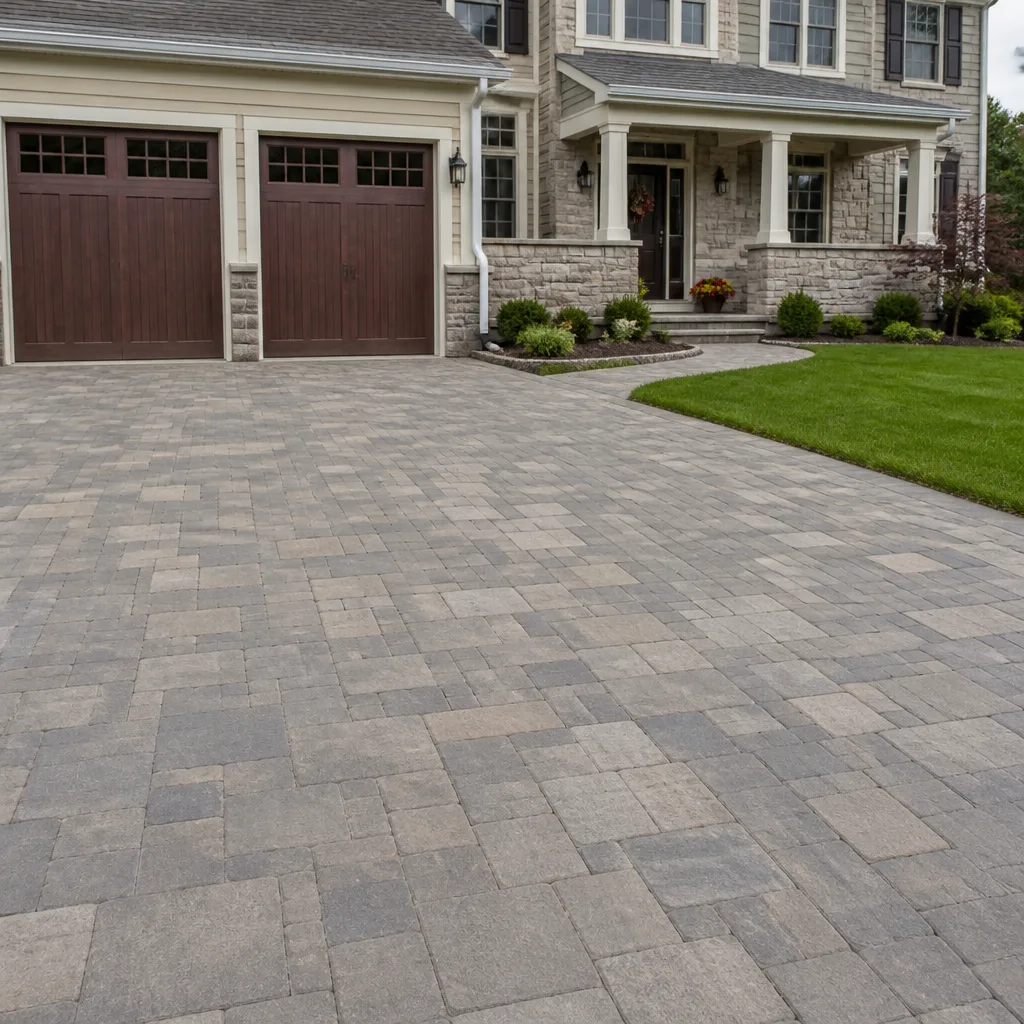 Driveway & pavers
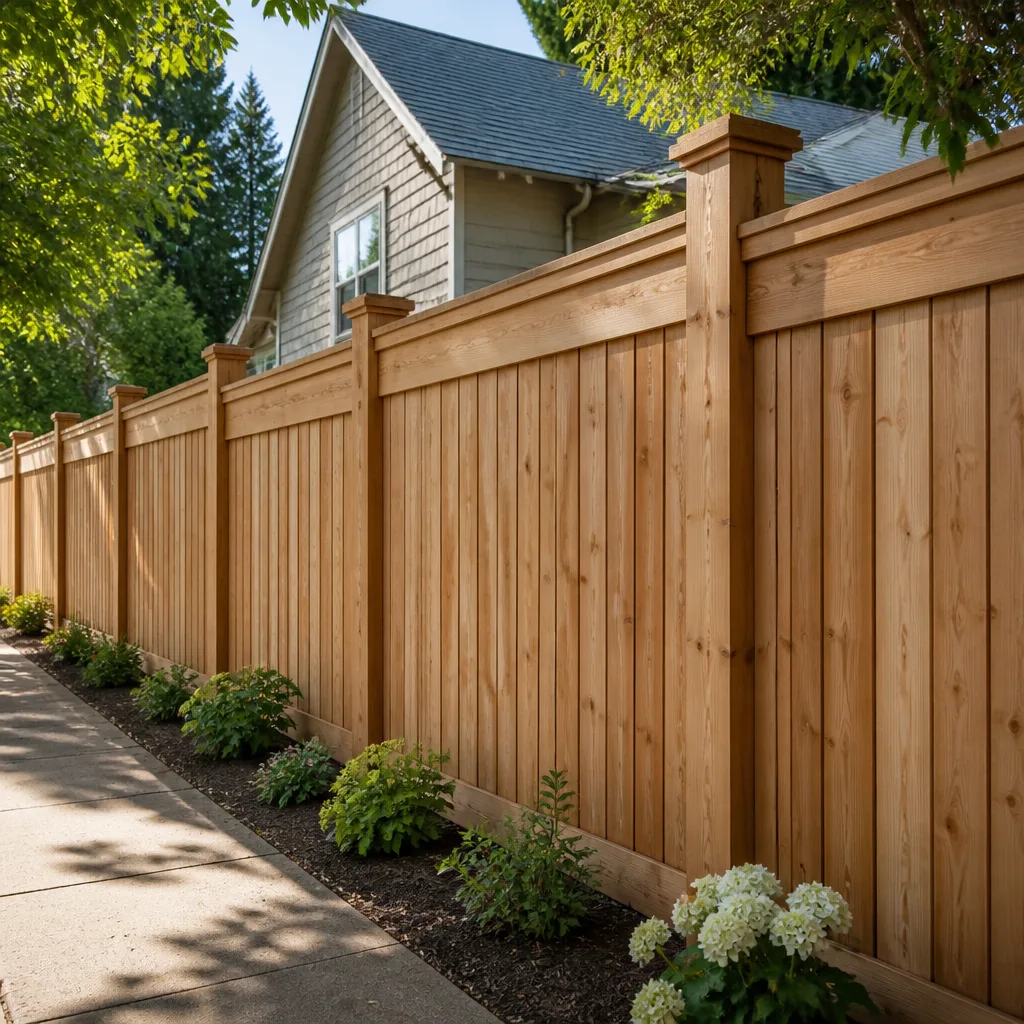 Fence
Free written scope consultation - allowances, timeline, and change-order rules on paper before a single trade is scheduled
How to Hire a Construction Contractor in Rialto: A Step-by-Step Guide
The Contractors State License Board receives more complaints from San Bernardino County homeowners than from any other inland county in California. The uncomfortable reality is that most of these complaints involve contractors who were technically licensed but held the wrong classification for the work they sold. A “B” license doesn’t automatically qualify someone to pour a foundation, and a “C” license doesn’t permit structural framing. This guide walks you through the due-diligence process for hiring a construction contractor in Rialto, from license verification to contract clauses that protect you when a subcontractor walks off the job mid-project. For The Complete General Contractor Guide for Rialto Homeowners, see our dedicated resource.
Quick Answer
To hire a construction contractor in Rialto, verify the contractor’s CSLB license classification matches your specific project scope, confirm their general liability and workers’ comp insurance meet San Bernardino County risk levels, and require three contract clauses before signing: a lien waiver schedule, a change-order approval threshold, and inspection hold points. Then get everything in writing, never pay more than 10% or $1,000 upfront (whichever is less) under California law, and confirm the contractor has a verifiable Rialto business address rather than an out-of-area P.O. box.
Styles & brands we work with
Table of Contents
- Step 1: Verify the License Classification, Not Just the License Number
- Step 2: Read the Certificate of Insurance Like a Banker Would
- Step 3: Require Three Contract Clauses Before Any Work Begins
- Step 4: Spot the Inland Empire Red Flags
- Step 5: Understand the Single-Source Contractor Advantage
- Step 6: Check Material Brands and Sourcing, Not Just Labor Prices
- Step 7: Structure the Payment Schedule to Protect Yourself
- Step 8: Put the Scope in Writing, Down to the Material Level
Step 1: Verify the License Classification, Not Just the License Number
The first mistake Rialto homeowners make is checking that a license number exists without checking whether the classification matches the work. The CSLB issues dozens of classifications, and each one has a defined scope. A contractor holding a C-8 concrete license cannot legally build a room addition. A contractor holding a B general building license can frame, roof, and finish, but certain specialty trades still require their own classifications. Here is what to check for common Rialto project types:
- Kitchen or bath remodel: A B (General Building) license is sufficient when the project involves carpentry, drywall, plumbing fixture replacement, and electrical fixture replacement. If the project moves a gas line or requires a panel upgrade, the contractor must either hold the relevant C-36 (Plumbing) or C-10 (Electrical) classification or pull a permit with a licensed subcontractor listed.
- Room addition or ADU: This requires a B license at minimum, and the contractor should have documented experience with structural framing, foundation work, and Title 24 compliance. For prefab ADUs, some manufacturers like Abodu or Dvele have their own installation requirements, but the general contractor still needs a B license to manage the site work, foundation, and utility connections.
- Roof replacement: A C-39 (Roofing) classification is required. A general contractor with a B license can manage a roofing project if they subcontract the actual roofing work to a C-39 holder, but they cannot perform it themselves.
- Fencing or hardscaping: A C-13 (Fencing) or C-27 (Landscaping) license may apply depending on the scope. A B license can cover this work when it is part of a larger remodel.
- Prefab or manufactured structure installation: The contractor needs a B license, and the manufacturer may require installer certification. Ask for documentation of any manufacturer-specific training.
To verify an active license, go to the CSLB website and search the contractor’s name or license number. Confirm that the status reads “Active” and that the classification matches your project. Check the license issue date too. A brand-new license is not automatically a red flag considering every General Contractor in Bloomington we respect started somewhere, but a license issued six months ago paired with claims of “20 years of experience” should make you ask questions. We have walked through dozens of Rialto homes where the previous contractor held a license in a different county or a classification that didn’t cover the work they quoted.
Step 2: Read the Certificate of Insurance Like a Banker Would
Every licensed contractor in California must carry workers’ compensation insurance if they have employees, and most Rialto projects require general liability coverage. But the certificate of insurance (COI) is where homeowners stop reading, and that is where things go wrong. Ask the contractor to have their insurance broker add you as a certificate holder and send the COI directly to you. Then look for these specifics:
- General liability limits: San Bernardino County projects with structural work, additions, or multi-trade remodels should carry at least $1 million per occurrence and $2 million aggregate. If the contractor shows $500,000 limits, that coverage may not be enough to rebuild a Rialto home if something goes catastrophically wrong.
- Workers’ comp: If the contractor has any employees or uses subcontractors who don’t carry their own coverage, the contractor should have a workers’ comp policy. Ask directly: “Do you carry workers’ comp for your crew and your subs?” A subcontractor who gets injured on your property and lacks coverage can become your liability in California.
- Additional insured status: The contractor should be willing to add you as an additional insured on the general liability policy for the duration of the project. This costs the contractor little and gives you direct notice if the policy is cancelled or lapses.
- Policy dates: Confirm the coverage spans your entire project timeline. A policy that expires three weeks before a six-month remodel finishes is not acceptable.
In our Rialto experience, the contractors with solid insurance offer this documentation without resistance. The ones who stall, deflect, or say “trust me” are the ones to avoid. That instinct applies whether you are hiring for a home remodeling project in Bloomington, Rialto, or anywhere else in the Inland Empire.
Step 3: Require Three Contract Clauses Before Any Work Begins
Most contractor disputes in Rialto are not about whether the work got done but about what happens when the scope changes, a subcontractor fails to pay a supplier, or the inspector flags something mid-job. Those disputes are preventable with three specific contract clauses that cost nothing to include but can save you tens of thousands of dollars.
Clause 1: Lien Waiver Schedule
A mechanics lien lets a subcontractor, supplier, or laborer place a claim against your Rialto property if they are not paid, even if you paid the general contractor in full. A lien waiver schedule requires the contractor to collect signed conditional and unconditional lien waivers from every sub and material supplier at each progress payment. Before you release any payment, the contractor provides waivers showing that everyone who worked or supplied materials through that phase has been paid or acknowledges they will be paid from the current draw. Without this clause, you may find a lien filed against your home by a concrete supplier you have never met.
Clause 2: Change-Order Approval Threshold
A change order is a written document that modifies the original contract scope or price. The clause you want states that no change order is valid unless it is signed by you in writing before the associated work begins, and that verbal approvals do not bind you. Some contractors use a threshold: any change under a set amount (say $500) can proceed with verbal approval and is documented within 48 hours; any change over that amount requires your written signature first. The point is that you never discover a $7,000 upcharge when the final invoice arrives.
Clause 3: Inspection Hold Points
Rialto building permit requirements include inspections at defined stages: foundation before pour, framing before drywall, rough plumbing and electrical before close-up, and final inspection. The clause should state that progress payments are held until the relevant inspection passes. If the city inspector fails a rough-in, the contractor fixes it before the next draw is released. This aligns the contractor’s payment incentive with getting the work inspected and approved, not just getting it installed.
These three clauses are standard for careful home renovation contractors in Bloomington and should be for Rialto as well. If a contractor resists any of them, that resistance tells you something about how they handle disagreements.
Step 4: Spot the Inland Empire Red Flags
The Rialto contractor market has specific pressure patterns that differ from coastal markets. Here are the red flags we tell friends and family to watch for, tailored to this region.
- High-pressure same-day pricing: A contractor who quotes a $40,000 remodel after a 20-minute walkthrough and pushes you to sign “today to lock in the price” is not pricing your project. They are anchoring you to a number they can change later through change orders. Legitimate Rialto pricing takes measurements, material selections, and a scope review. Anyone quoting same-day on a multi-trade remodel is guessing.
- Out-of-area checks: A contractor who asks you to make checks payable to a business name that doesn’t match the license, or to a personal name, or to an address in another county, is signaling financial instability or worse. It also matters for lien exposure. Your checks should match the licensed entity name and the address on the CSLB record.
- Unlisted business addresses: Look up the contractor’s business address on their CSLB record and on the county assessor or business license database. A P.O. box, a virtual office, or an address that doesn’t resolve to a real commercial location is a flag. A contractor with no verifiable physical presence in Rialto or nearby San Bernardino County cities has less to lose by walking off a job.
- The “I have a guy” pattern: When the contractor repeatedly says they will bring in “a guy” for plumbing, “a guy” for electrical, “a guy” for the roof, with no named, licensed, insured subcontractors listed in the contract, you are about to become the de facto project manager for a rotating case of strangers who have no contractual relationship with you.
Rialto’s construction market is active, and credentialed contractors are busy. The ones who can start tomorrow morning might be available for a reason. We would rather a homeowner wait three weeks for a contractor with a full pipeline and a clean CSLB record than rush into a contract with someone who can show up Monday but cannot produce a certificate of insurance.
Step 5: Understand the Single-Source Contractor Advantage
The coordination liability that catches Rialto homeowners off guard is not the contractor who disappears entirely. It is the contractor who shows up, does the framing, then tells you the plumber “can’t make it this week” and the tile guy “just raised his price.” You did not hire those people. You hired one contractor. But without a single-source contract that names the subs and makes the contractor responsible for their schedule and performance, you are the one absorbing the delays and the price increases.
A single-source general contractor manages every trade under one contract and one point of accountability. At Alder Contractors home, we structure projects so the homeowner has one phone number to call and one schedule to track. From the roofline to the backyard, the framing crew, the plumbers, the electricians, the roofers, the fence installers, and the paver layers all report through the same project management system. If the roofing supplier delays a delivery, that is our problem to solve, not yours to chase.
This matters especially with material-heavy projects. A kitchen remodel that pulls cabinets from KraftMaid, countertops from Cambria, fixtures from Kohler, and a bathroom vanity from Wellborn involves four different supply chains. A single-source contractor who has working relationships with those manufacturers and their regional distributors can sequence deliveries so materials arrive when the trade is ready. A homeowner trying to coordinate those same four purchases through four separate vendors learns quickly why project managers exist.
For Rialto homeowners planning an ADU, the single-source advantage extends further. Prefab manufacturers like Abodu, Dvele, and Boxabl each have their own installation specs, foundation requirements, and utility connection standards. A general contractor who has managed those installs knows what the manufacturer requires before the unit arrives. A homeowner who hires a traditional remodeler for the site work and a separate prefab installer for the unit has just created two points of failure on the most valuable investment they will make in their Rialto backyard.
Step 6: Check Material Brands and Sourcing, Not Just Labor Prices
Two contractors can quote the same $35,000 kitchen remodel, and one is using builder-grade materials from a big-box store while the other is sourcing KraftMaid cabinets and Cambria quartz countertops. Our Choosing the Right Construction Brand: A Buyer’s Guide for Rialto explains how to evaluate these differences. The labor portion of the bid may be nearly identical. The material portion is where the difference hides.
When you compare bids in Rialto, ask each contractor to itemize not just the material categories but the actual brands they are quoting. “Cabinetry” is not a material spec. KraftMaid cabinetry is. “Quartz countertops” is not a material spec. Cambria, Silestone, or Caesarstone is. “Windows” is not a material spec. PGT windows rated for the Inland Empire sun load is.
This is not about name-dropping. Different manufacturers produce meaningfully different products with different warranties, lead times, and failure rates in the high-summer heat Rialto sees every year. A fiberglass window that performs fine in a coastal climate may warp or fade in three Inland Empire summers. For maintenance tips, see our Seasonal Construction Care for Rialto: Year-Round Homeowner’s Guide. James Hardie fiber cement siding, which Alder Contractors installs routinely, is specified for high-heat, low-moisture climates and performs fundamentally differently than vinyl in Rialto’s August temperatures.
The brand question also reveals whether the contractor has actual sourcing relationships or is buying retail. A contractor who has a working account with a KraftMaid distributor can get cabinetry at trade pricing and with priority delivery. A contractor who walks into a big-box store the week before install is paying retail and you are paying for it. We handle the coordination so you don’t have to, and the brand portfolio is how we can build to your budget rather than asking you to stretch to ours.
Ask for a written material list with brand names before you sign. If the contractor cannot produce one, that is a yellow flag. If they can produce one for a different project they just completed, that is a green flag. The brands tell you who the contractor does business with, and who they do business with tells you the quality tier they actually build in.
Step 7: Structure the Payment Schedule to Protect Yourself
California law limits the down payment for home improvement projects to 10% of the contract price or $1,000, whichever is less. Any contractor in Rialto who asks for more upfront is violating state law, and that is an immediate disqualifier. Beyond the legal cap, the payment schedule should be tied to completed milestones, not calendar dates, and never get ahead of the work.
A reasonable payment schedule for a mid-sized Rialto remodel looks like this:
- Deposit: 10% or $1,000 maximum at contract signing, to reserve the schedule and order long-lead materials.
- Demolition and rough-in completion: 25% after demolition is complete and rough plumbing, electrical, and framing pass inspection.
- Drywall and finishes: 25% after drywall is hung, taped, and sanded, and cabinetry installation begins.
- Substantial completion: 25% after fixtures are installed, flooring is down, and the city has passed the final inspection.
- Final payment: 15% after the punch list is complete, lien waivers are collected, and you have done a full walkthrough.
Never agree to a schedule that pays more than the work completed to date. If a contractor asks for 50% at signing, that is not a payment schedule. That is financing their last job with your deposit. We have seen Rialto homeowners hand over $15,000 because the contractor “needed to order materials,” and then watched the contractor disappear for three weeks while the homeowner’s kitchen sat half-demolished.
Step 8: Put the Scope in Writing, Down to the Material Level
The contract should include a scope of work detailed enough that your neighbor could pick it up and know exactly what is being built. “Remodel bathroom” is not a scope. A proper scope for a Rialto bathroom remodel reads something like this:
- Demo existing 5×8 bathroom to studs, dispose of all debris at a licensed facility
- Rough plumbing: relocate shower valve, replace supply lines to sink, install new drain for freestanding tub
- Rough electrical: add GFCI outlet, relocate vanity light, install exhaust fan with timer
- Shower: waterproof with Schluter membrane, install 12×24 porcelain tile to ceiling, frameless glass door
- Vanity: Wellborn 60-inch vanity in maple with soft-close drawers, Cambria quartz countertop in Brittanicca, undermount sink
- Fixtures: Grohe shower system, Toto toilet, Moen faucet
- Flooring: 12×24 porcelain tile over uncoupling membrane
- Paint: walls and ceiling, two coats Benjamin Moore Aura
- Permits: pull Rialto building permit, schedule all inspections, pass final
The material names are not there to impress anyone. They are there so there is no argument later about whether “premium fixtures” meant Grohe or a house brand from a big-box aisle. The brand specificity also gives you a way to compare bids apples-to-apples. If one contractor quotes Grohe and another quotes an unspecified brand, the bids are not comparable.
Alder Contractors writes scopes this way as standard practice because we have seen too many Rialto projects go sideways over vague language. When the contract says “install shower system,” the contractor has fulfilled it with a $200 box-store special. When it says “install Grohe Grohtherm SmartControl shower system with three body sprays,” there is no ambiguity. The material tier is in the contract, and your signature means you approved it.
Common Mistakes to Avoid
- Checking the license number but not the classification. A C-8 concrete contractor cannot legally frame your Rialto addition. Verify the classification covers your scope, not just that a number exists on the CSLB site.
- Paying more than the legal deposit cap. California caps deposits at 10% or $1,000. Any contractor in Rialto asking for more up front is either ignorant of the law or deliberately ignoring it, and neither is acceptable.
- Signing a contract without a lien waiver schedule. You can pay your contractor in full and still get a lien filed against your Rialto property by an unpaid sub or supplier. The waiver schedule is not optional.
- Accepting a verbal change order. In the Inland Empire, “I’ll take care of that” spoken during a walkthrough has turned into a $6,000 line item at final billing more times than we can count. Get every change in writing before the work starts.
- Assuming insurance is automatic. A license does not mean the contractor carries proper general liability or workers’ comp. Ask for a COI that lists you as a certificate holder, and confirm the limits match your project.
- Choosing the lowest bid without comparing material brands. A bid that undercuts the field by 30% is usually cutting somewhere, and it is usually in the materials you will live with for 20 years.
- Skipping the permit. Rialto requires permits for structural work, and unpermitted work can complicate a future sale, void your homeowners insurance, and fail basic safety standards. If the contractor suggests skipping the permit “to save time,” walk away.
See the difference
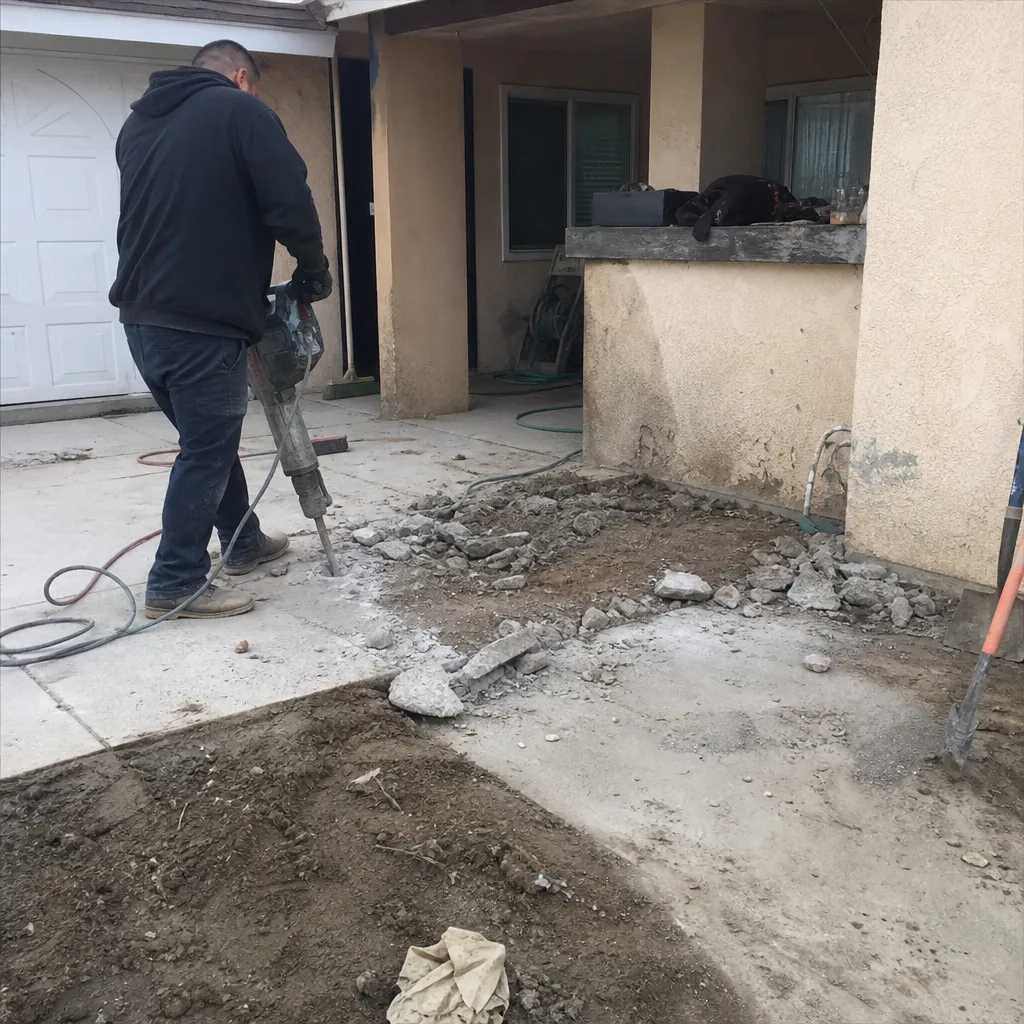 Before
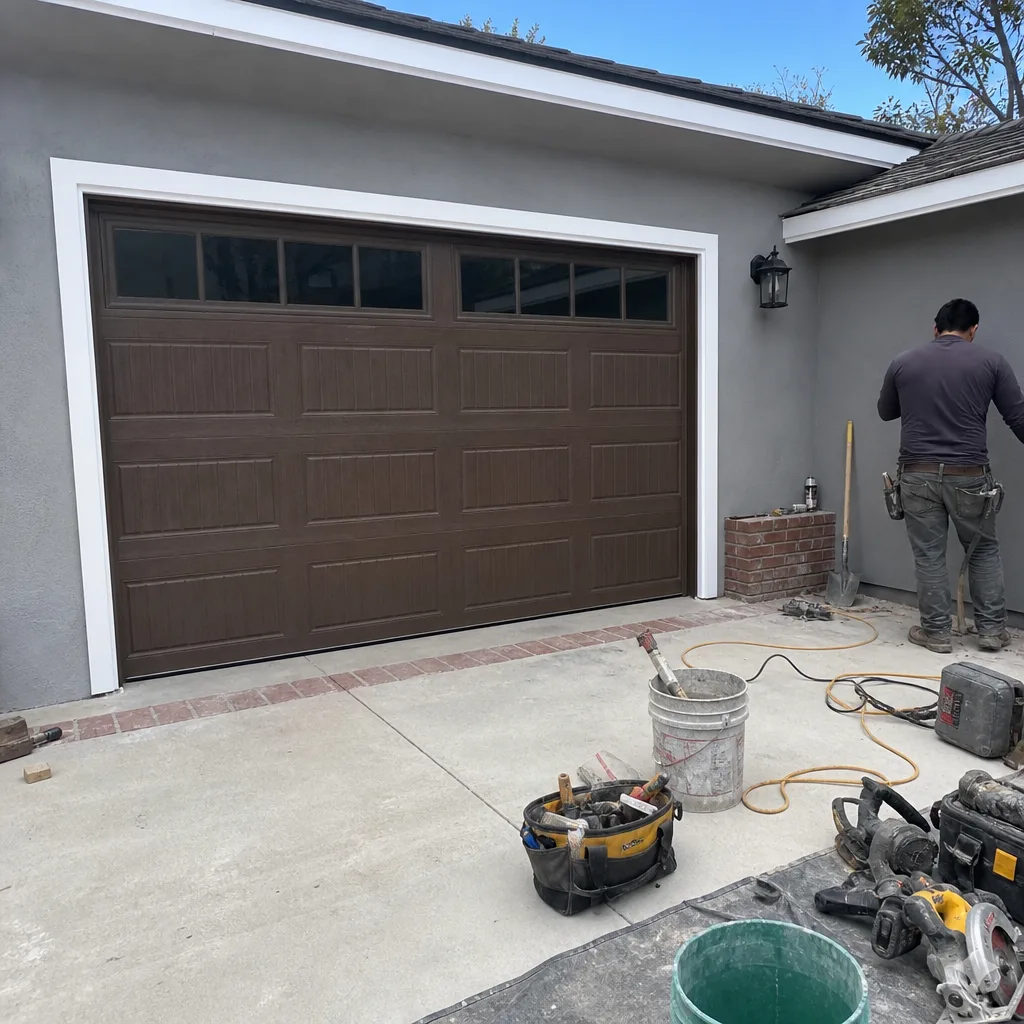 After
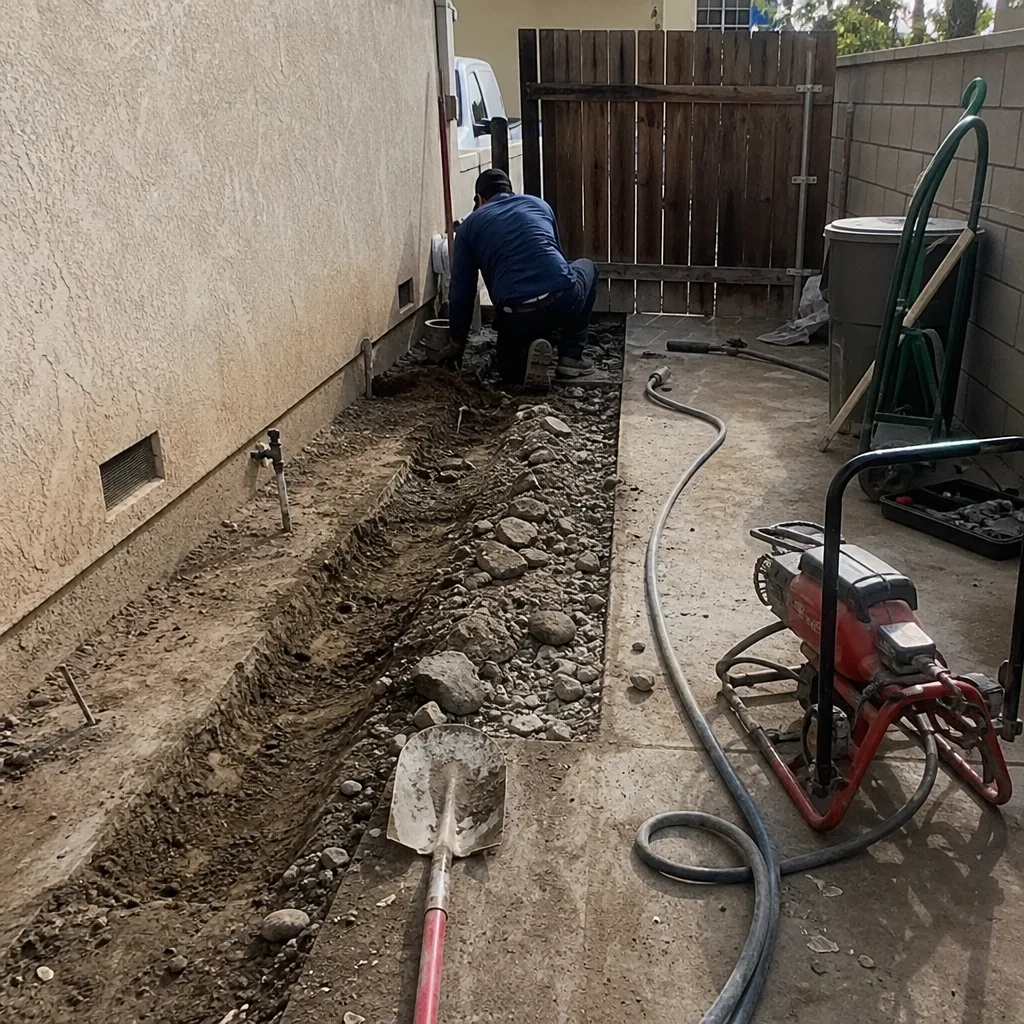 Before
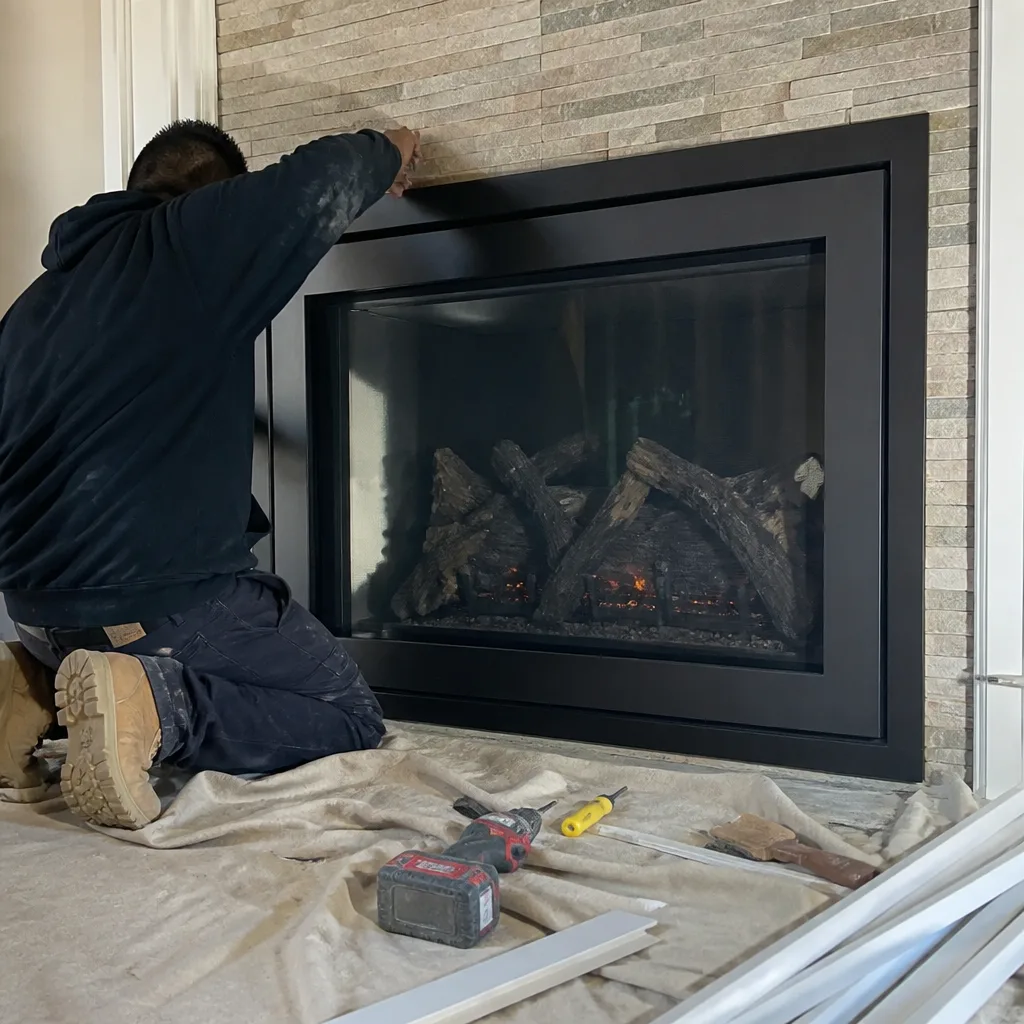 After
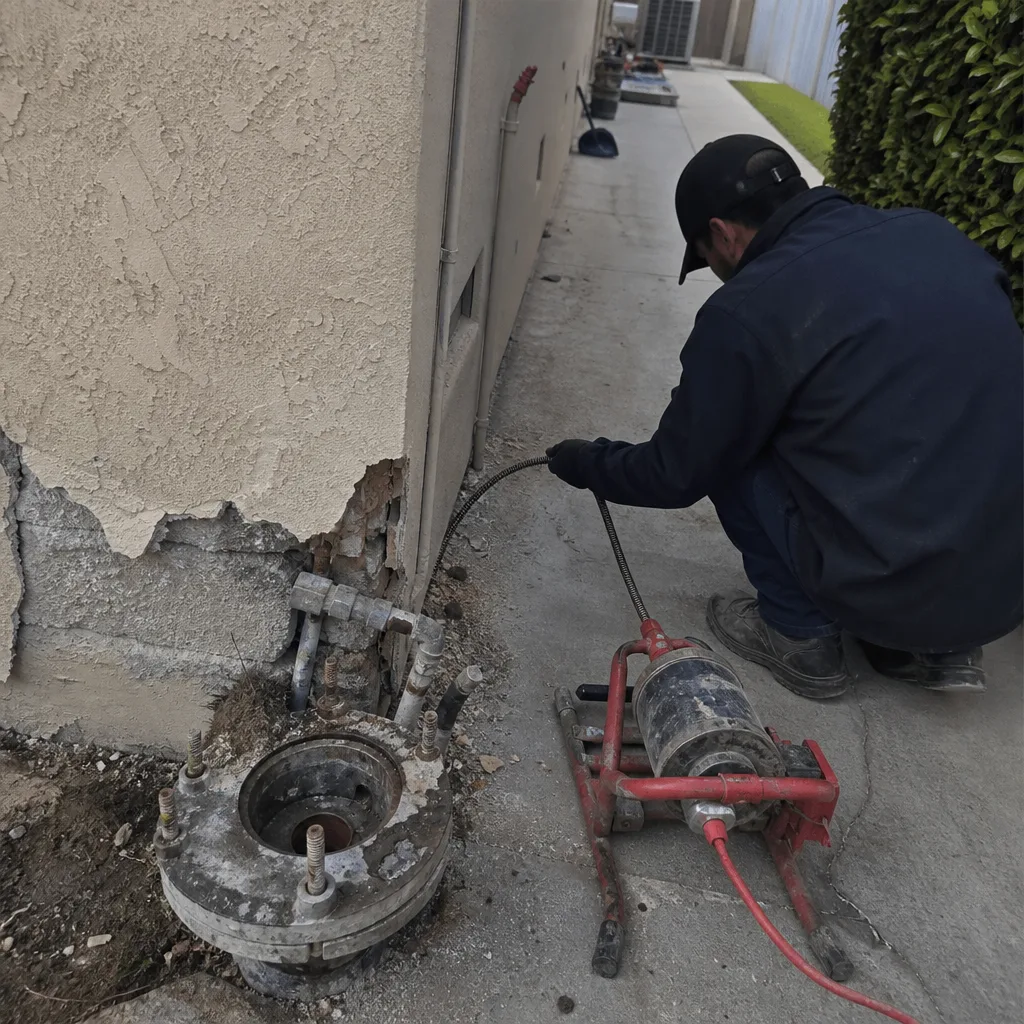 Before
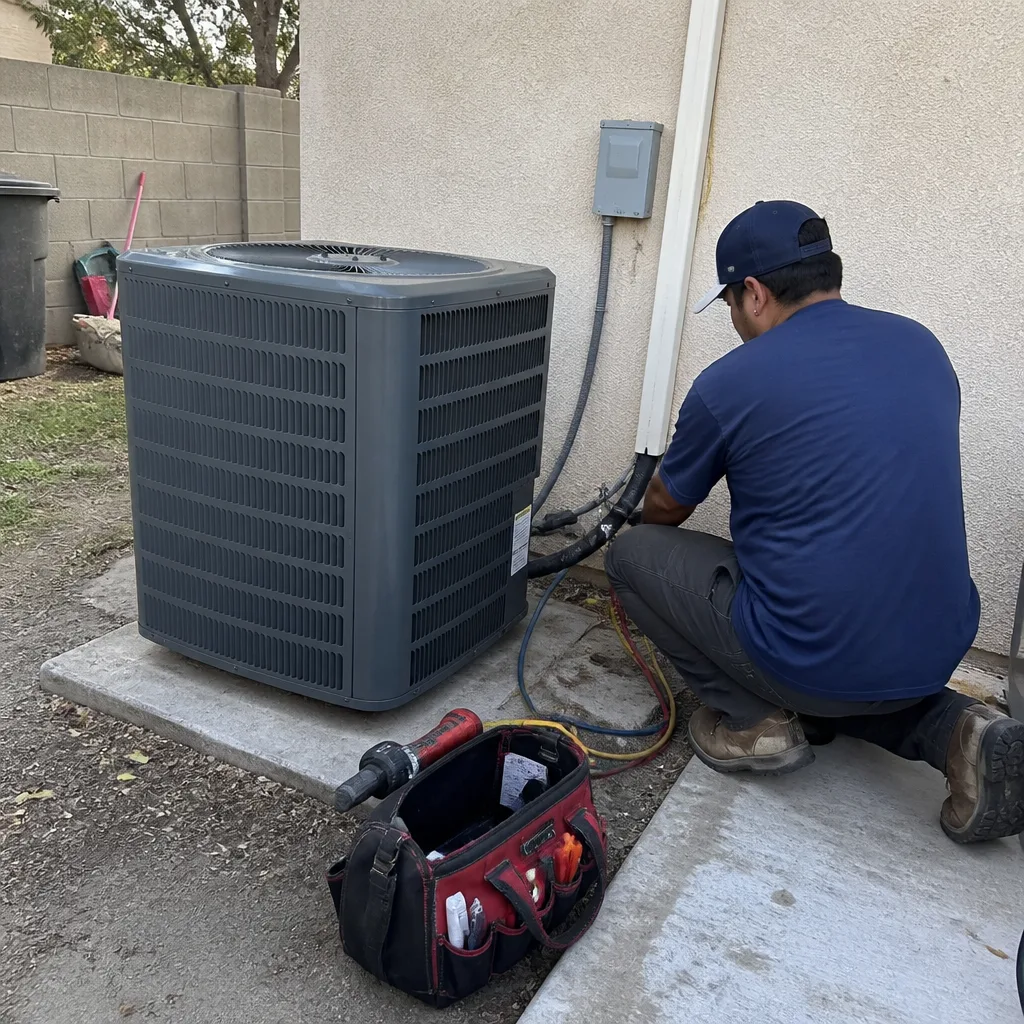 After
When to Call a Professional
Any project that involves structural changes, permits, plumbing, electrical, or multiple trades is not a project to wing. If you are planning a kitchen remodel, a bathroom remodel, a room addition, an ADU, a roof replacement, or a full exterior overhaul in Rialto, you need a licensed general contractor managing the scope, the subs, the permits, and the schedule. The stakes are too high to improvise. Alder Contractors offers free estimates in Rialto, with written scopes that name the material brands before you sign. Call (833) 467-7020 to talk through your project, or to get a second opinion on a bid you have already received.
Frequently Asked Questions
Go to the CSLB website and search the contractor’s name or license number. Confirm the license status reads “Active,” the classification matches your project scope, and the business address on file resolves to a real location, not a P.O. box. You can also check the license issue date to see how long the contractor has been licensed in California.
California law caps the deposit on home improvement projects at 10% of the contract price or $1,000, whichever is less. Never pay more than that before work begins. The remaining payments should be tied to completed milestones and passed inspections. Call (833) 467-7020 if a contractor is asking for more and you want a second opinion.
An ADU requires a B (General Building) license at minimum, and the contractor should have experience with foundation work, site utility connections, and Title 24 compliance. For prefab ADUs from manufacturers like Abodu, Dvele, or Boxabl, ask whether the contractor has completed manufacturer-specific installation training. The site work requires a licensed general contractor even when the unit arrives pre-built.
A full kitchen remodel in Rialto typically takes 8 to 14 weeks from demolition to final inspection, depending on the scope, the cabinet lead time, and the permit schedule. Material selections from a kitchen brand like KraftMaid can add 3 to 6 weeks of lead time if not ordered early. The contract should specify a schedule before you sign.
Yes, if the project involves moving plumbing, changing electrical, or altering structural elements. A cosmetic refresh with the same fixtures in the same locations may not require one, but any licensed contractor should be willing to pull a permit when the scope calls for it. If a contractor suggests skipping permits, that is a red flag.
Check the general liability limits (at least $1 million per occurrence for structural work), the workers’ comp policy (require it if the contractor has employees or uses uninsured subs), the policy dates (they must span your full project timeline), and the additional insured status (have the contractor add you as an additional insured). Have the broker send the COI directly to you, not through the contractor’s email.
The Bottom Line
Hiring a construction contractor in Rialto is a due-diligence exercise, not a personality contest. Verify the license classification, not just the number. Read the insurance certificate with the same attention you would give a mortgage document. Require a lien waiver schedule, a change-order threshold, and inspection hold points in the contract. Compare bids by material brand, not just by bottom line. And if you want one contractor managing every phase from the roofline to the backyard, with named material brands in the written scope, we would be glad to help. Explore more guides & resources on our blog, or call to schedule your free estimate. Alder Contractors offers free estimates in Rialto, with a written scope and material list before you sign. Call (833) 467-7020 to schedule yours.
Written by the team at Alder Contractors, serving Rialto since 2013.