
Last updated October 31, 2026
 Home additions & ADU
 Kitchen remodeling
 Bathroom remodeling
 Roofing
 Windows & doors
 Driveway & pavers
 Fence
Free written scope consultation - allowances, timeline, and change-order rules on paper before a single trade is scheduled
Seasonal Construction Care for Rialto: Year-Round Homeowner’s Guide
Most Rialto homeowners assume their roof is the biggest summer vulnerability. It’s not. The caulking around HVAC penetrations and attic vents fails first under 110°F surface temperatures, long before shingles show wear. That sealant dries, cracks, and pulls away from flashing joints for six months before the first winter rain finds the gap. By the time water stains appear on a ceiling, the leak has been forming since July. This guide walks through what actually breaks in a Rialto home, when it breaks, and what you can catch before a small sealant failure becomes a drywall replacement. For The Complete Guide to Construction in Rialto and more resources, see our blog. We’re covering the full calendar year, because Rialto doesn’t do four traditional seasons. It does four stress periods: extreme heat load, Santa Ana wind season, brief but intense rain events, and the spring dust-and-pollen surge.
Quick Answer
Seasonal home maintenance in Rialto CA means scheduling specific inspections around four stress periods rather than fixed calendar seasons. Summer demands thermal expansion checks on concrete, decking, and window seals. Fall requires a full exterior caulking and ember-screening audit before Santa Anas arrive. Winter’s brief rains mean drainage and downspout verification holds higher priority than in wetter climates. Spring is when HVAC coils, exterior paint, and irrigation systems need attention before cooling demand peaks. The consistent thread: sealant failure and drainage gaps cause more Rialto damage than any storm or heat wave alone.
Styles & brands we work with
Table of Contents
- Summer Stress Period: June Through September
- Santa Ana Wind Season: October Through December
- Winter Rain Period: January Through February
- Spring Pollen and Dust Surge: March Through May
- What Homeowners Can Check Versus What Needs a Licensed Contractor
- The Cost Difference Between Catching Problems Early and Waiting
- Common Mistakes to Avoid
- When to Call a Professional
- Frequently Asked Questions
Summer Stress Period: June Through September
Rialto summers push surface temperatures past 140°F on roofs, driveways, and west-facing walls. The damage doesn’t come from one hot day. It comes from daily expansion and contraction cycles that slowly break bonds: sealant pulls away from metal flashing, concrete control joints lose their filler, and composite decking fasteners work loose millimeter by millimeter. The houses that fare worst are the ones where nobody looked at these junctions during the heat.
Here’s what actually fails first when the thermometer crosses triple digits in Rialto:
HVAC penetration sealants. The rubberized caulk around air conditioner line sets, attic vents, and exhaust flues bakes in direct sun. After two or three Rialto summers, it’s brittle enough to crack with finger pressure. Water doesn’t need a visible gap to get in. Micro-cracks wick moisture through capillary action, and the first real rain turns those micro-cracks into interior stains.
Concrete flatwork movement. Driveways, walkways, and patio slabs in Rialto expand measurably under summer sun. Control joints exist to absorb that movement, but the joint filler dries and crumbles over time. When filler disappears, the two slabs grind against each other. That’s how spalling and edge chipping start. If you’re planning a hardscape project with Belgard or Techo-Bloc pavers, Choosing the Right Construction Brand: A Buyer’s Guide for Rialto explains how to evaluate materials for proper base compaction and joint sand in clay-heavy soil compared to coastal cities. The soil shifts more dramatically through wet-dry cycles, which means the prep work does more long-term work.
Window frame seal integrity. Vinyl and aluminum window frames expand at different rates than the stucco or siding around them. The sealant joint around the frame perimeter is the sacrificial layer. When it degrades past 90°F exposure thresholds, you get air infiltration first, then water intrusion. In Rialto’s summer, check west and south-facing windows first. They carry the highest thermal load.
Composite decking fasteners. If you have composite decking, the boards expand along their length in heat. Fasteners installed without proper spacing allowance will work loose or deform. Walk the deck in August and listen for squeaks, feel for lifted edges, and check that boards haven’t buckled at butt joints. A deck that moves in summer will also move in winter, just in the opposite direction.
Summer Inspection Checklist for Rialto Homeowners
- Walk the perimeter at mid-morning and visually inspect all caulked joints where pipes, vents, or wires penetrate exterior walls or the roof. Look for cracks, gaps, or sealant that has pulled away from one side.
- Check concrete flatwork for joint filler that has crumbled out. Mark any area where two slabs touch without filler between them.
- Test west and south-facing window frames by running a finger along the interior drywall edge. Feel for warmth, moisture, or softness that indicates seal failure.
- Inspect deck and patio surfaces for lifted fasteners, board movement, or gaps that weren’t there in spring.
- Run the HVAC system for 30 minutes and check for air leaks around the supply registers indicating duct seal degradation.
One thing we consistently see in Rialto homes: the summer inspection gets skipped because nothing looks broken. That’s the point. Summer is when small failures start. Fall is when the wind exploits them. Winter is when water finishes the job.
Santa Ana Wind Season: October Through December
Santa Ana winds hit Rialto from the northeast, carrying desert air and sustained gusts that strip loose roofing materials, drive dust into every unsealed gap, and turn a small ember into a structure fire within minutes. The Santa Ana period is not just a wind event. It’s a fire weather event. Much of Rialto sits in or near Wildland-Urban Interface adjacency zones where defensible space and ember resistance aren’t optional add-ons. They’re what keeps a distant brush fire from becoming a house fire.
The preparation window is September and October, before the first strong event. Once winds are pushing 40 mph, you’re past inspection season and into damage control.
Exterior Caulking Audit
Every exterior penetration on a Rialto home has sealant around it. Windows, doors, vents, hose bibs, electrical conduits, gas lines, cable entries, and roof flashings. The audit is straightforward: you look at every one of them and note which have dried sealant, cracked beads, or visible gaps. Under Santa Ana winds, a gap doesn’t just admit rain. It admits embers. An ember the size of a thumbnail can lodge in a gap around a vent or in a cracked sealant joint and smolder for hours before igniting.
If you’re replacing exterior materials as part of a larger project, James Hardie fiber cement siding carries a non-combustible classification that outperforms vinyl or wood in ember exposure scenarios. Pair that with proper flashing and a sealed building envelope, and you’ve materially changed how your home handles wind season. The material choice matters. The installation details matter more.
Roof Fastener and Flashing Inspection
Roofing materials in Rialto should come from manufacturers with proven wind warranties. GAF, CertainTeed, and Owens Corning all publish wind ratings that apply to installations done by certified contractors. But even the best shingle lifts if the nail pattern was wrong or the roof deck has soft spots. The Santa Ana inspection focuses on what’s already compromised: lifted shingle edges, exposed nails with rust, cracked pipe boots, and loose ridge caps.
A professional roof inspection before wind season costs a fraction of a full replacement, and it’s one of the only times we’d recommend having the same contractor who did the original work look at the roof. They know where corners may have been cut, and they know what their workmanship warranty covers.
Ember-Resistant Vent Screening
Most homes in Rialto built before 2008 have attic and crawl space vents with 1/4-inch mesh screening. That’s not ember-resistant. Embers smaller than 1/4 inch pass through and land on combustible material inside. The current standard calls for 1/16-inch to 1/8-inch mesh over vents, and in WUI zones, certain vent types are required by code on new construction and major remodels. If your vents have large mesh, replacing them is a relatively low-cost project that dramatically reduces fire risk during Santa Ana season.
What to Do Before the First Santa Ana Event
- Clear gutters and downspouts. Dry debris in a Santa Ana wind becomes fuel. It also blocks drainage when winter rain follows the wind.
- Walk the yard and secure anything loose: patio furniture, trampolines, trash bins, potted plants. Wind-driven debris breaks windows and damages stucco.
- Check all exterior doors, including garage doors, for proper weather stripping and secure closure. Santa Ana winds pressurize the interior of a home, and a poorly sealed door turns into a dust pump.
- Inspect roof-mounted equipment: HVAC units, solar panel mounts, satellite dishes. Any loose fastener is a projectile risk.
- Replace cracked or deteriorated caulking around all exterior penetrations. This is the single highest-return task on the list.
The Santa Ana period is also when we hear from homeowners who finally want to replace old windows or doors that have been leaking air for years. The wind makes the problem undeniable. Replacing them before wind season, with products from PGT or Therma-Tru selected for their structural and wind ratings, is the better sequence. You’re not rushing a decision during a dust storm.
Winter Rain Period: January Through February
Rialto averages around 14 inches of rain per year. That’s nothing by national standards. What matters is how that rain arrives: a few intense storm events that drop more water in four hours than the city typically sees in a month. The ground can’t absorb it. The drainage systems weren’t designed for it. And every small gap that went unnoticed in summer and got exploited by Santa Ana winds now channels water directly into structural assemblies.
Winter maintenance in Rialto is not about preparing for months of damp. It’s about making sure your home handles one bad Tuesday afternoon.
Drainage Swale and Downspout Verification
Most Rialto homes rely on surface drainage: the ground slopes away from the foundation, and water flows toward the street or an alley. That slope settles over time. Foundation backfill compacts. Landscaping changes grade. A property that drained fine five years ago can now pool water against the stem wall during a heavy storm.
The check is visual and simple. During or immediately after a significant rain, walk the perimeter and look for standing water within three feet of the foundation. Check that downspout extensions discharge at least four feet from the structure. Verify that swales aren’t blocked by raised planter beds, pavers, or accumulated debris. If you’ve recently added hardscaping with Belgard pavers, confirm that the new surface pitch still moves water where it should.
Failed drainage in a Rialto winter doesn’t usually cause catastrophic flooding. It causes slow, cumulative damage: expansive clay soil pressing against the foundation, efflorescence on stem walls, mold in wall cavities, and premature deterioration of stucco at grade. None of it shows up the week of the storm. All of it shows up within two years.
Interior Indicators of Exterior Failures
- Ceiling stains, especially around can lights, attic access panels, or HVAC registers. These are the first visible sign of roof penetration leaks.
- Warped or swollen drywall at window corners. Water entering through a failed exterior seal pools at the sill and wicks into the wall cavity.
- Musty odor in closets on exterior walls. Ventilation can’t fix a moisture source.
- Bubbling paint or texture on exterior-facing interior walls. This is trapped moisture working its way outward.
- Doors or windows that suddenly stick. Moisture-swollen framing is the cause.
Rialto’s winter is short enough that many homeowners skip waterproofing improvements. They tell us the same thing every January: “It only rains a few times a year, we’ll deal with it if it becomes a problem.” Then February brings a storm that drops two inches in an afternoon, and the problem is already inside the walls by the time anyone notices the stain.
The home remodeling in Bloomington projects we handle often start with what appears to be a simple interior update and turn into envelope repair once we open walls and find water damage from previous winter rains. The clients who scheduled exterior work before rain season spent less on the overall project.
Spring Pollen and Dust Surge: March Through May
Spring in Rialto is not a rainy season. It’s a particulate season. Santa Ana winds have deposited dust on every horizontal surface. Ornamental landscaping pollinates heavily starting in March. The air carries fine particulate that settles on window tracks, clogs condenser coils, and bonds to exterior paint that’s already been through a summer of thermal cycling.
The three spring tasks that save the most money in Rialto homes:
HVAC Coil Cleaning Before Peak Cooling Demand
Condenser coils operate more efficiently when clean. A coil coated in Rialto’s spring dust and pollen mix runs hotter, draws more power, and shortens the life of the compressor. By the time June hits and you actually need the air conditioning, you want the system running at full efficiency. Cleaning a residential condenser coil is a homeowner-level task if you have the right coil cleaner and are careful with the fins. Or it’s a standard HVAC service call. Either way, doing it in April is better than doing it in July when the system is under load and a service appointment takes two weeks.
Exterior Paint Adhesion Check After Thermal Cycling
Paint on a Rialto home survives extreme heat in summer, wind-driven dust in fall, and rain in winter. By spring, any adhesion problem is visible. Look for cracking, peeling, or bubbling, especially on south and west-facing surfaces. Touch-up paint applied in spring has time to cure before summer heat. Full repainting with proper surface preparation is a larger project that belongs in the same planning conversation as siding replacement. If the siding itself is failing in multiple locations, a full exterior replacement with James Hardie products eliminates the paint adhesion cycle entirely and gives the home a new envelope.
Irrigation System Restart for Hardscape-Adjacent Plantings
If you shut down irrigation in winter, bring it back online gradually in March. Check valves, emitters, and spray patterns before turning everything on at full pressure. Pay particular attention to beds and planters adjacent to hardscape. Water spraying onto a paver patio or walkway isn’t just wasteful. Root systems grow toward that moisture and undermine the base material. A mature tree planted too close to a driveway sends roots toward the concrete, and those roots contribute to the cracking and lifting you noticed during your summer concrete inspection.
Spring is also the right time to plan larger projects. Contractors in Rialto book out months in advance for major remodels, and starting the conversation in March or April means you can schedule the work during the cooler months when exterior construction is more comfortable and interior demolition doesn’t fight the heat. If you’re considering a home renovation in Bloomington or a similar scope in Rialto, spring planning is not too early.
What Homeowners Can Check Versus What Needs a Licensed Contractor
Most seasonal inspection tasks are within a homeowner’s reach. Most repair tasks are not. The distinction saves money on the right side and prevents expensive mistakes on the other.
Homeowner Walk-Through Tasks
- Visual caulking inspection around all exterior penetrations
- Concrete joint filler checks
- Drainage observation during rain
- HVAC coil cleaning (basic)
- Loose fastener identification on decks and fences
- Gutter and downspout clearing
- Weather stripping checks on doors and windows
Licensed Contractor Tasks
- Roof flashing repair or replacement
- Re-caulking elevated penetrations or multi-story window frames
- Exterior envelope remediation after water intrusion
- Siding replacement or major paint preparation on failing surfaces
- Foundation drain installation or grading correction
- HVAC duct sealing and replacement
- Hardscape base repair for settled patios or walkways
The line isn’t about capability alone. Working at height introduces fall risk. Working with electrical or gas-adjacent systems introduces specific hazards. A homeowner who re-caulks a ground-floor window is doing routine maintenance. A homeowner who climbs onto a two-story roof without proper fall protection is taking a risk that no seasonal maintenance checklist is worth. If your inspection finds a problem above one story, call a contractor.
The other practical consideration is equipment. Proper caulking removal and application on a full exterior envelope requires scaffolding or lifts, commercial-grade sealants, and experience matching sealant chemistry to substrate material. That’s not a ladder-and-caulk-gun project. It’s a multi-day exterior remediation project.
The Cost Difference Between Catching Problems Early and Waiting
Every seasonal inspection exists to move problem detection from the expensive category to the inexpensive one. The cost curve for exterior failures in Rialto looks like this:
Caulking and sealant replacement: A few hundred dollars for a full exterior re-caulking when it’s done proactively. Several thousand when it’s done after water intrusion, because the drywall, insulation, and framing on the other side of the leak need repair too.
Roof fastener tightening and sealant touch-up: A service call in the $200 to $400 range. A full roof replacement because wind lifted a section during Santa Ana season and water poured through: $12,000 to $20,000 depending on material selection.
Concrete joint filler replacement: A few dollars per linear foot before slab movement causes spalling. Full driveway replacement after years of unmanaged slab grinding: $8,000 to $15,000.
HVAC coil cleaning: A standard service visit. Compressor replacement after a summer running hot with clogged coils: $2,000 to $4,000.
The pattern is consistent across every system in a Rialto home. The small, scheduled intervention costs a fraction of the large, emergency intervention. That’s the whole argument for seasonal maintenance, and it’s the argument homeowners should make to themselves in concrete dollar terms, not vague prevention language.
We’ve priced exterior envelope repairs on Rialto homes that would have been unnecessary with a $300 caulking job two years earlier. The homeowners aren’t negligent. They just never had someone explain that summer cracks become winter water. This guide exists to close that information gap.
One more planning note: larger seasonal projects like roof replacement, siding installation, or exterior envelope remediation are best scheduled during the cooler months. The added benefit of planning through a general contractor in Bloomington or Rialto is that you’re booking the work well before peak demand hits, and the material pricing is locked in before seasonal surges.
Common Mistakes to Avoid
- Checking the roof every year but ignoring the sealant. The roof is rarely where Rialto homes fail first. The penetrations through the roof deck are the weak points, and they fail before the shingles do. Inspect both, but don’t let a clean-looking roof create false confidence about the caulking around vents and flashings.
- Skipping the fall ember-screen check because you’re not in a high-risk fire zone. Rialto’s WUI adjacency zones cover more of the city than many homeowners realize. Ember-resistant screening costs very little, and a fire doesn’t respect informal risk evaluation.
- Waiting until summer to service the HVAC system. Coil cleaning and system checks in spring happen before the demand surge, when contractors are available and pricing is lower. July service calls mean waiting in a hot house.
- Ignoring small drainage problems because Rialto doesn’t get much rain. The rain Rialto gets arrives in high-intensity bursts. Small drainage problems turn into large foundation problems during those bursts.
- Caulking over old caulk instead of removing it. New sealant needs clean, prepared substrate to bond. Layering new over old almost guarantees early failure.
- Assuming a home warranty covers seasonal wear and tear. Most home warranties specifically exclude failures caused by deferred maintenance. Sealant failure and drainage damage fall into that exclusion.
- Factoring only the material cost when planning an exterior project. Installation quality determines whether the GAF shingle or James Hardie siding performs as warranted. The cheapest installer with premium materials is still a bad bet.
When to Call a Professional
Call a licensed contractor when an inspection finds water intrusion that has already reached interior finishes, when roof work requires working at height, when drainage correction involves regrading or underground pipe installation, when exterior envelope failures span multiple windows or wall sections, or when you’re planning a project that combines multiple trades. A full exterior replacement involving siding, windows, and roofing is not three separate bids. It’s one project with one schedule and one accountability point. Alder Contractors offers free estimates in Rialto. Call (833) 467-7020 to schedule yours. We’ll walk your property, assess the seasonal damage, and give you a written scope with real material options from our brand partners, from James Hardie siding to KraftMaid cabinetry when interiors need replacement too.
Frequently Asked Questions
Inspect all exterior caulking and sealant twice per year in Rialto: once in early fall before Santa Ana wind season and once in late spring after the thermal cycling of summer and rains of winter. Homes with significant west-facing exposure may need a third check mid-summer, when the bond between sealant and substrate is under maximum heat stress. Call (833) 467-7020 if your inspection finds widespread sealant failure and you want a professional evaluation.
Current building code in Rialto requires ember-resistant vent screening on new construction and major remodels in designated WUI zones. Existing homes are generally not required to retrofit unless a remodel triggers the requirement, but the relatively low cost of upgrading to 1/16-inch mesh screening makes it a sensible voluntary improvement in wind-prone areas. A licensed contractor can confirm your home’s requirements and current compliance.
The best time to schedule exterior construction in Rialto is fall through early spring, roughly October through April. Temperatures are moderate enough for sealant and material installation, rain events are infrequent enough to maintain schedule, and you’ll avoid the summer heat that complicates adhesive curing and crew safety. Contractors also have better availability during these months, so planning ahead means better pricing and scheduling.
A full exterior re-caulking of a typical single-story Rialto home with proper surface preparation and commercial-grade sealant typically runs from $800 to $2,500 depending on the number of penetrations, access difficulty, and how much old sealant must be removed. Multi-story homes and those with extensive window counts run higher. Call (833) 467-7020 for a written estimate specific to your home, the inspection is free.
Yes, basic condenser coil cleaning is a homeowner-accessible task if you turn off power to the unit, use a proper coil cleaner, and rinse gently with low-pressure water. The risk is damaging the fins with excessive pressure or using a cleaner that corrodes the aluminum. If you’re uncomfortable with any of those steps, a standard HVAC maintenance visit handles it safely and catches other issues at the same time.
You can check Rialto’s WUI designation through the city’s planning department or by referencing San Bernardino County’s hazard overlay maps. Homes in the northern and northeastern portions of Rialto, closer to the foothills, are more likely to fall within WUI boundaries. If you’re in a WUI zone, prioritize ember-resistant screening, defensible space maintenance, and exterior material choices that resist ignition.
The Bottom Line
Rialto homes don’t fail from dramatic events. They fail from deferred attention: a sealant joint that cracked in August, a drainage swale that settled in October, a coil that clogged in April. The maintenance calendar in this guide exists to catch those failures at the $300 stage instead of the $15,000 stage. Do the summer thermal check, the fall caulking and ember audit, the winter drainage walk, and the spring HVAC and paint inspection. That’s the entire system. Do it every year, and the big-ticket repairs become optional upgrades instead of urgent emergencies.
Contact Alder Contractors at (833) 467-7020 for a free estimate on any seasonal repair or larger renovation project in Rialto. We’re a licensed general contractor with access to trusted brands like Plant Prefab for ADU construction, James Hardie for siding, and KraftMaid for cabinetry. One contractor, every phase, from the roofline to the backyard.
Written by the team at Alder Contractors, serving Rialto since 2013.
See the difference
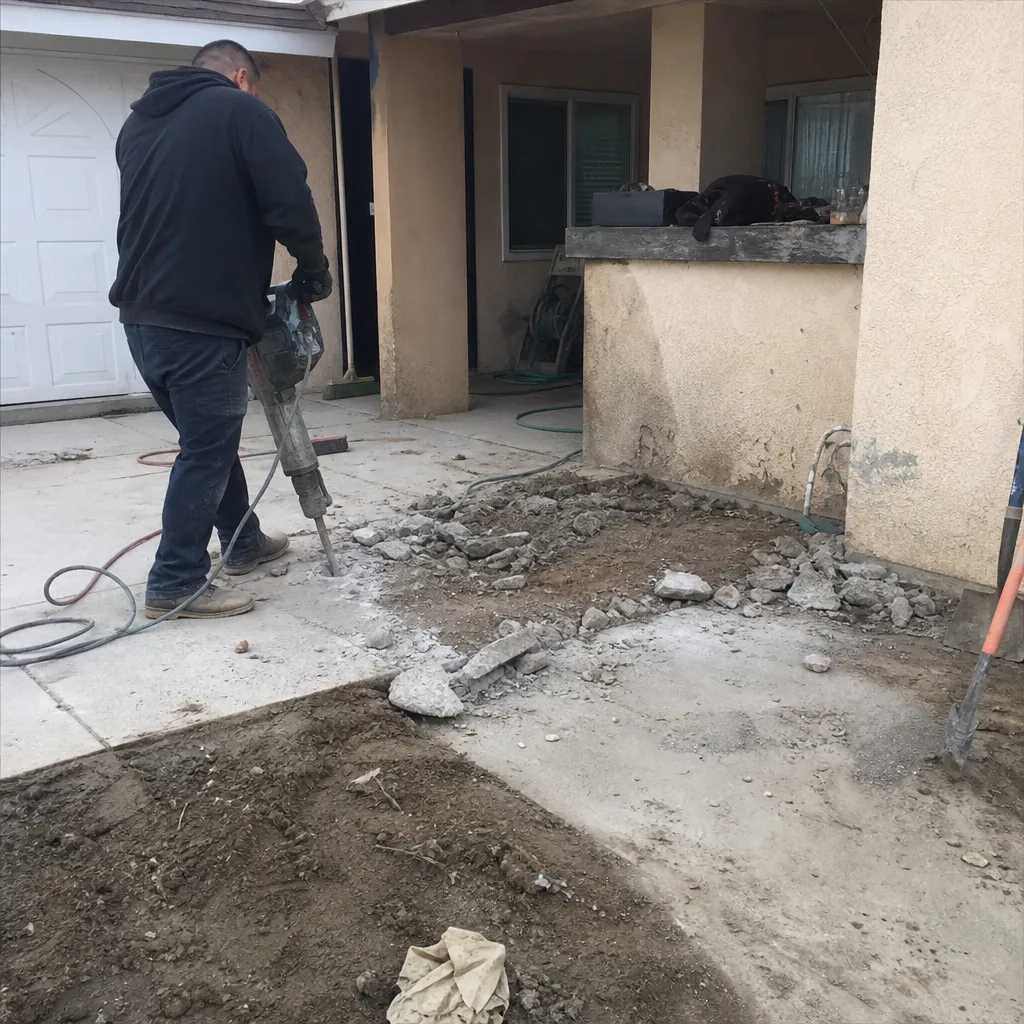 Before
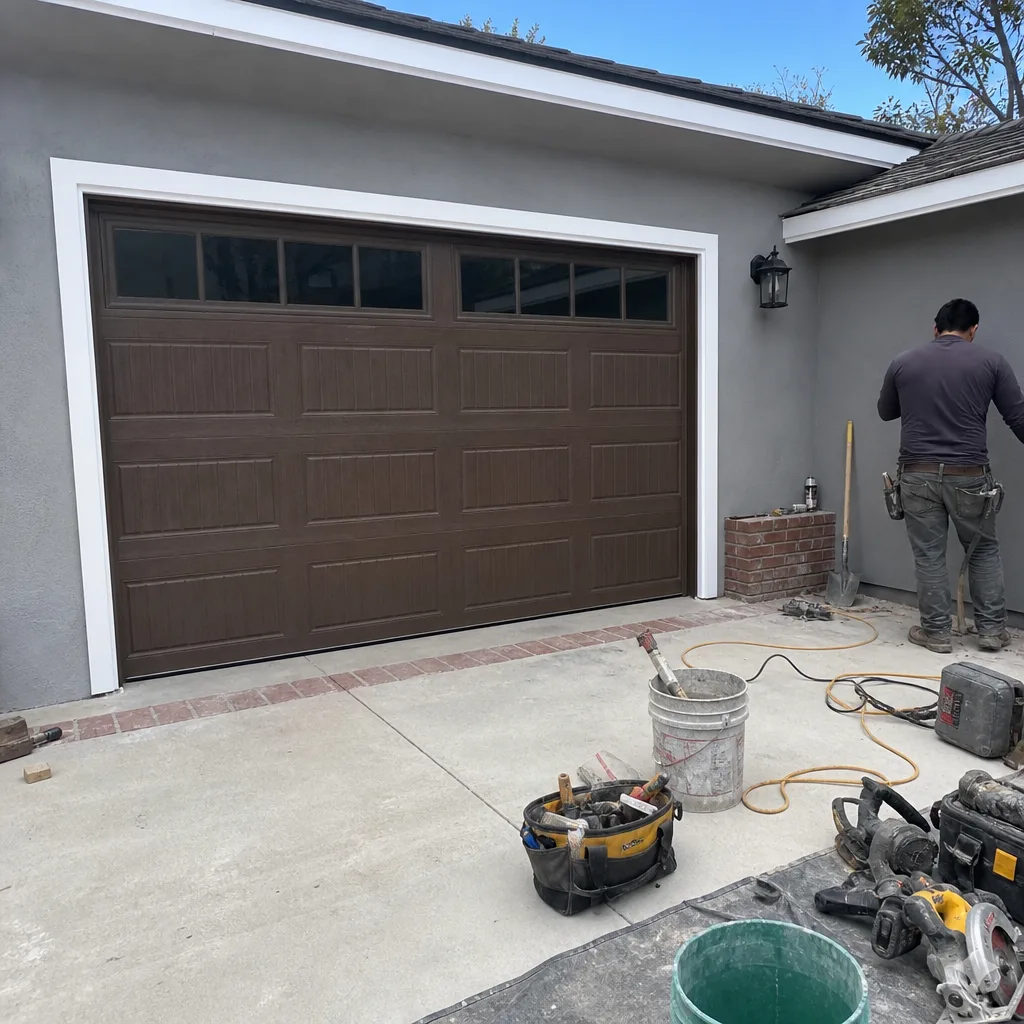 After
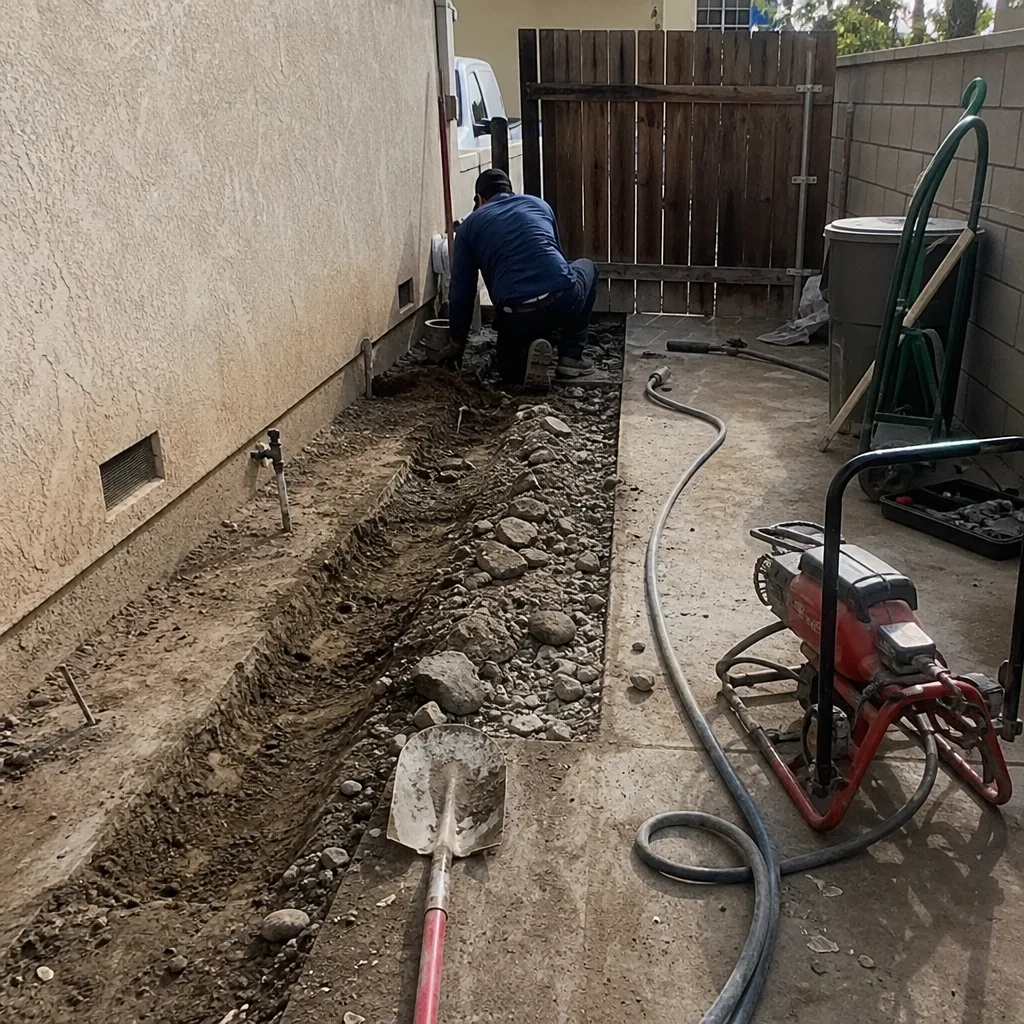 Before
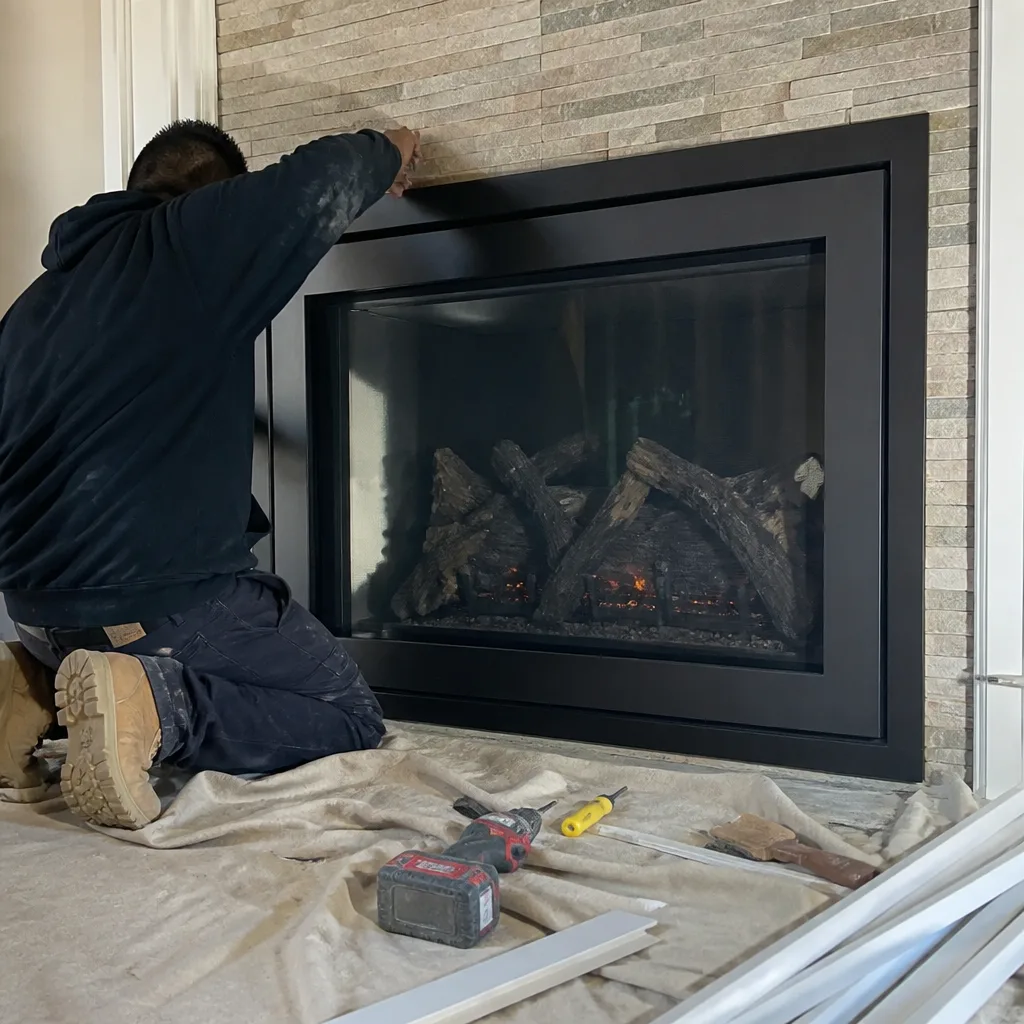 After
 Before
 After