
Last updated October 31, 2026
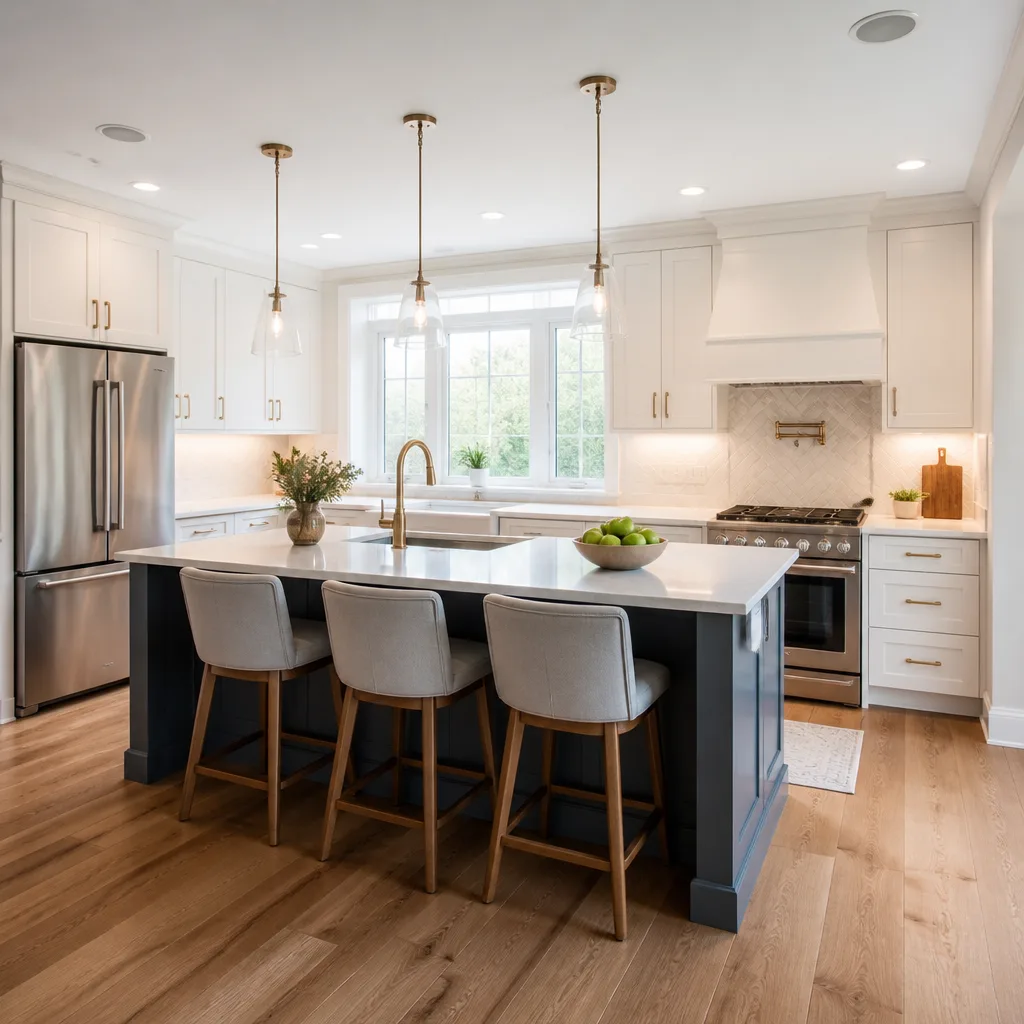 Kitchen remodeling
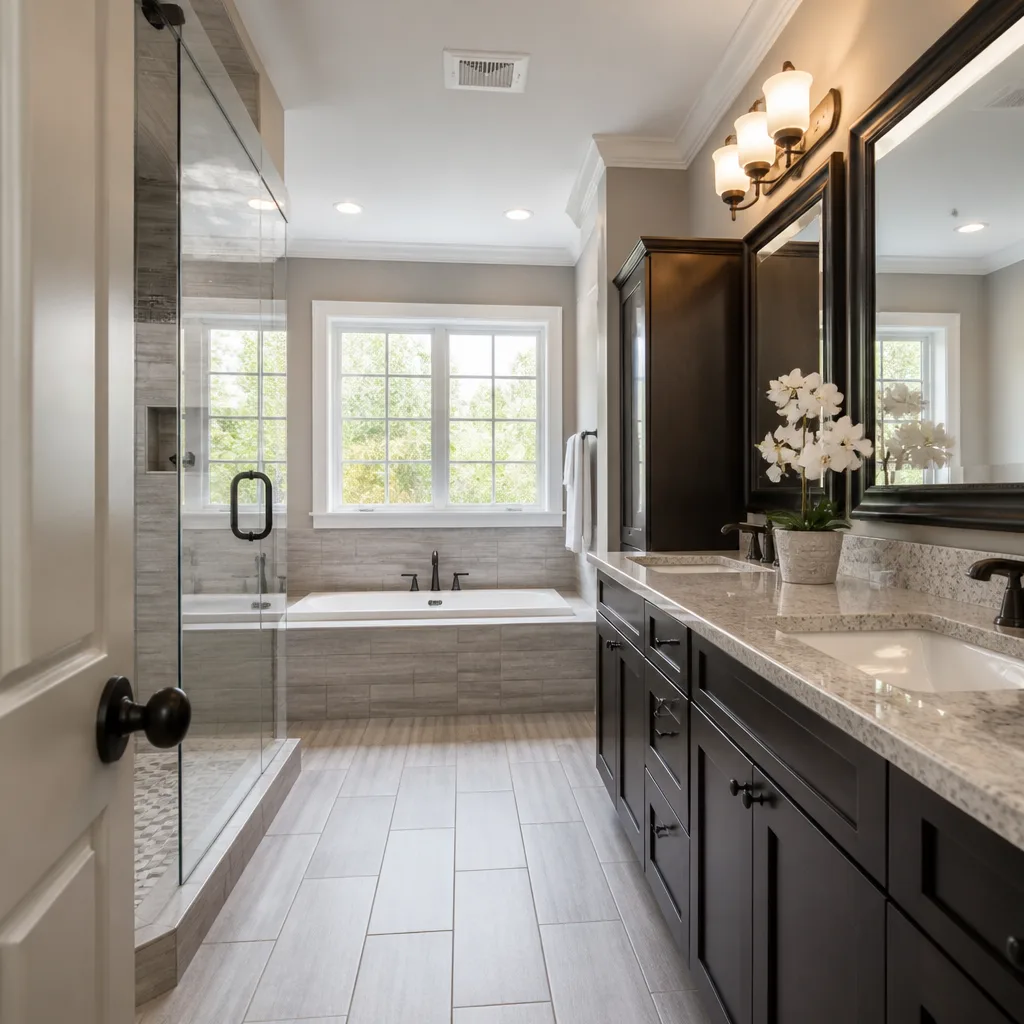 Bathroom remodeling
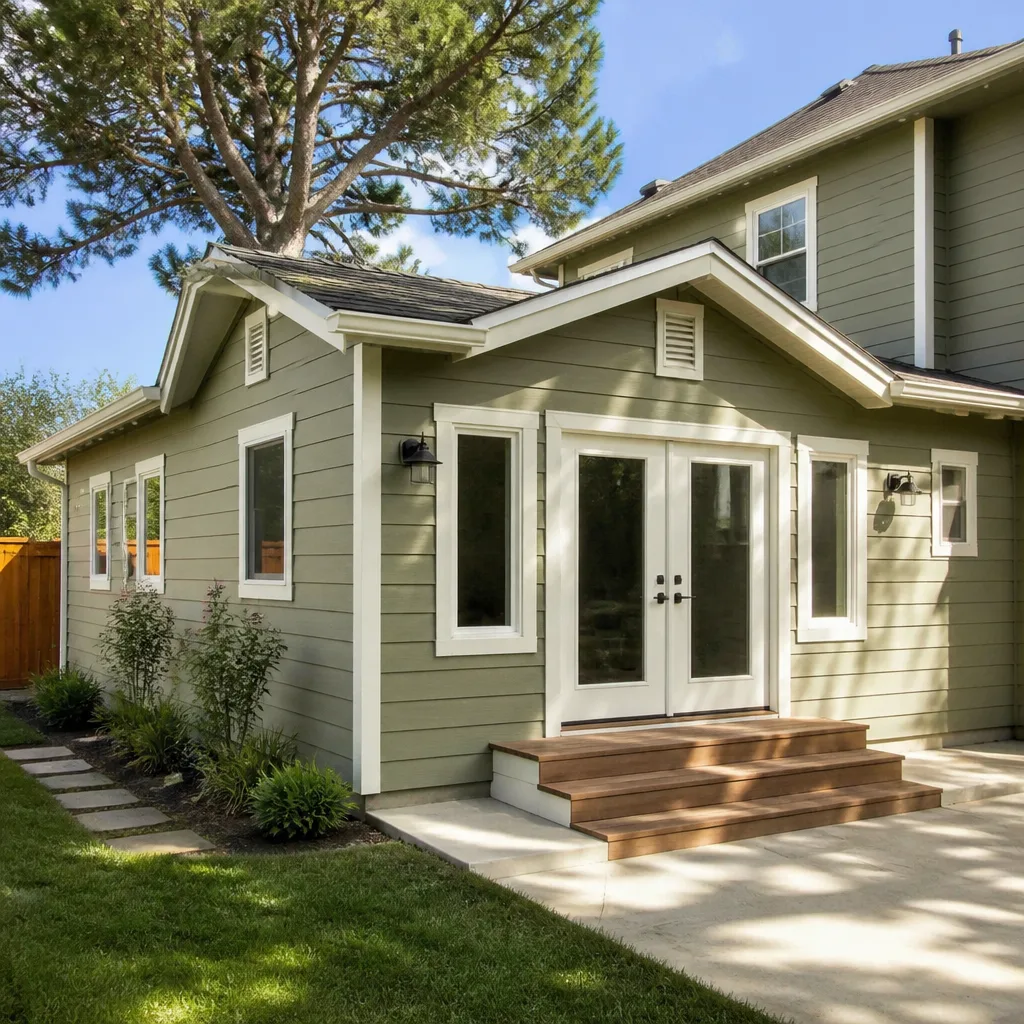 Home additions & ADU
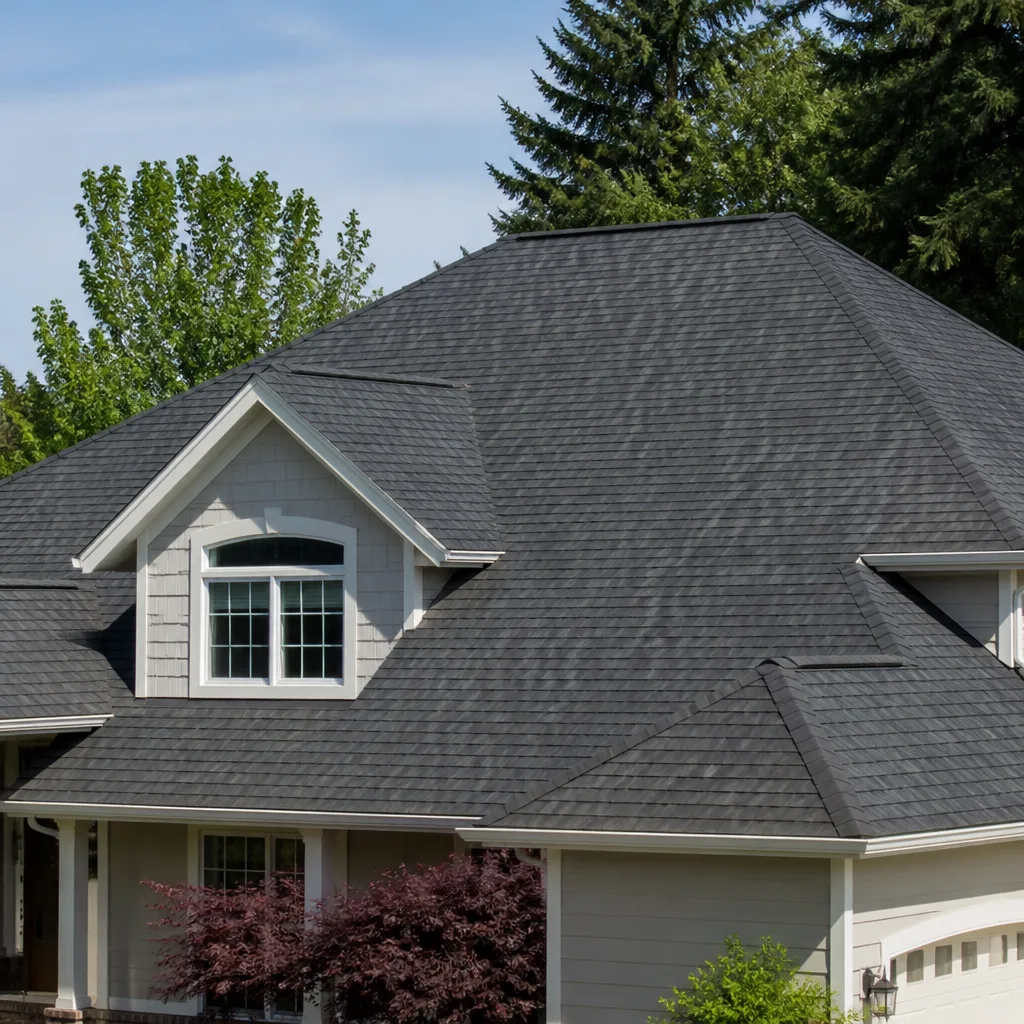 Roofing
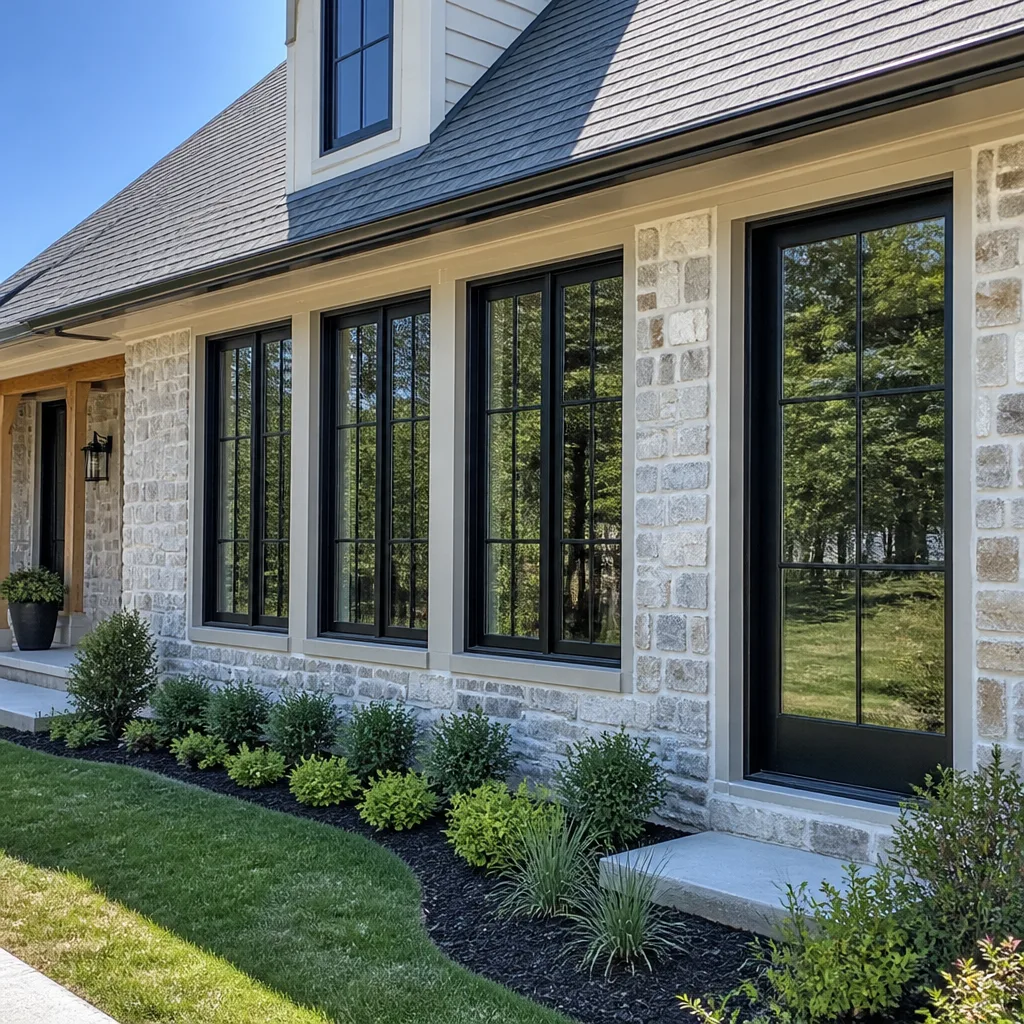 Windows & doors
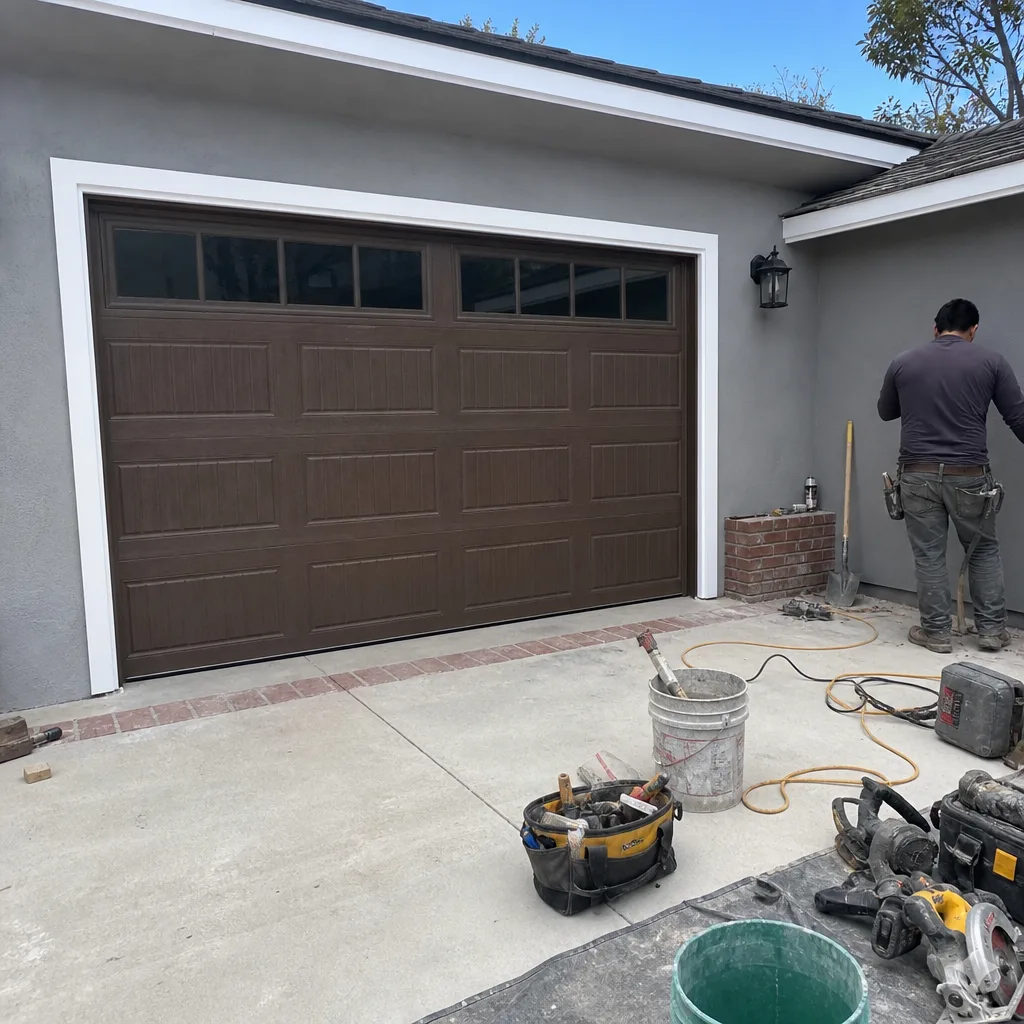
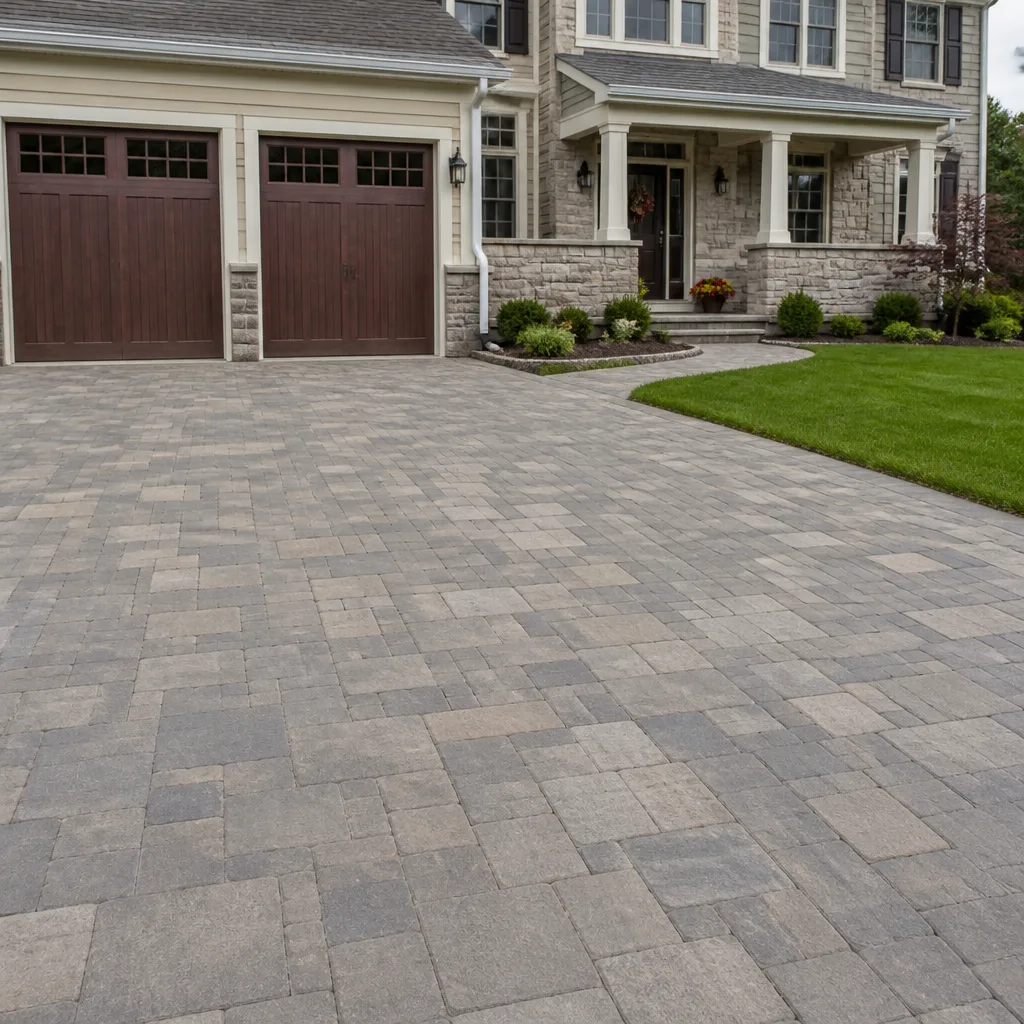 Driveway & pavers
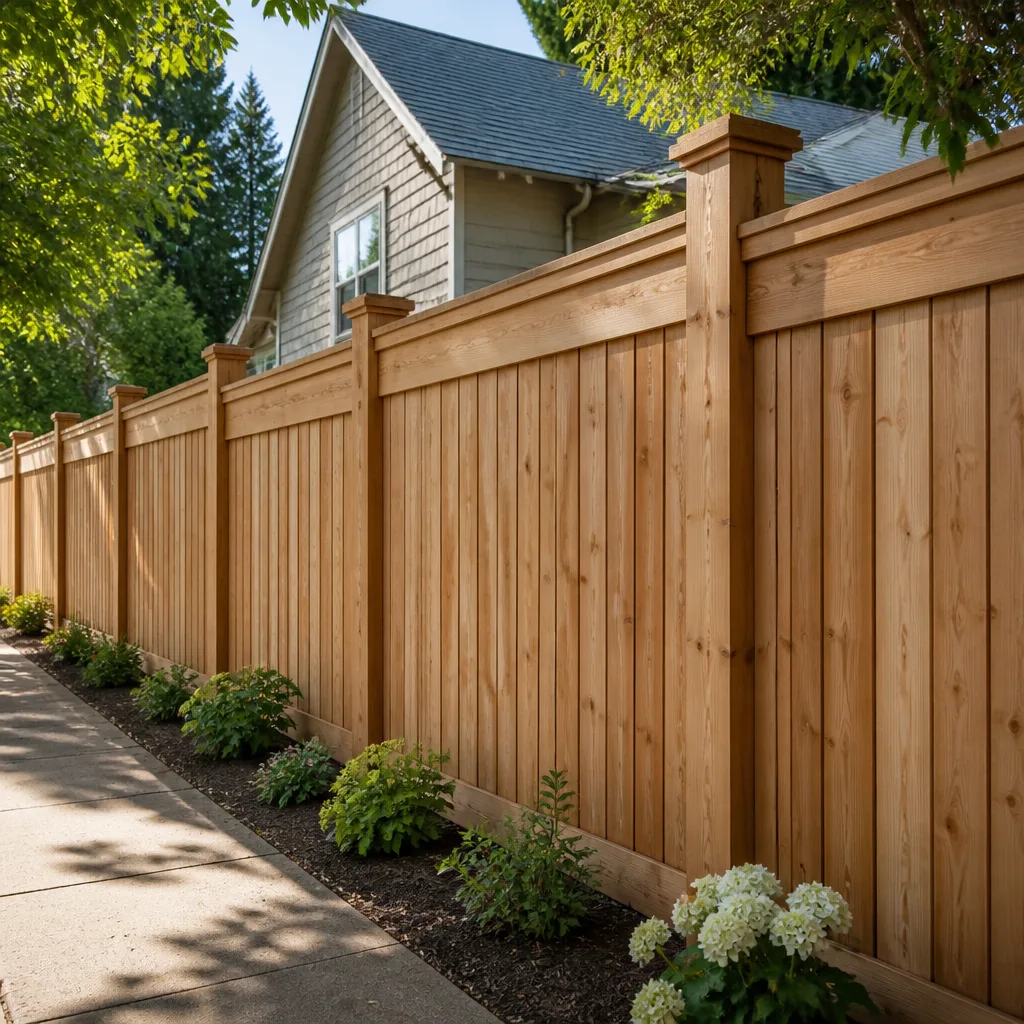 Fence
Free written scope consultation - allowances, timeline, and change-order rules on paper before a single trade is scheduled
The Complete Guide to Construction in Rialto
Rialto issued more single-family residential permits in 2023 than any year since the pre-2008 boom. But here’s what nobody tells you: the contractors who can’t handle San Bernardino County’s dual-agency inspection process are the ones leaving homeowners stuck mid-project. This guide walks you through every stage of construction in Rialto, from soil conditions that quietly destroy foundations to permit sequences that can add months to a timeline, with more guides & resources available for deeper dives into each topic. You’ll learn what actually matters when you build or renovate here, and where most projects go wrong before the first shovel hits dirt.
Styles & brands we work with
Quick Answer
Construction in Rialto CA requires navigating a specific set of local conditions: expansive clay soils that demand engineered foundation specs, a permit process split between City of Rialto Building & Safety and San Bernardino County oversight, and material lead times that catch unprepared homeowners off guard. The contractors who succeed here are the ones who plan around these variables from day one, not the ones who treat Rialto like any other Inland Empire city.
Table of Contents
- Rialto’s Soil Conditions and What They Mean for Your Foundation
- The Permit Process: City of Rialto vs. San Bernardino County
- Material Lead Times and Sequencing Your Rialto Project
- Freight Rail Corridors and Structural Vibration Specs
- Aging Water Mains: What a Whole-Home Renovation Reveals
- ADU Construction in Rialto: The Prefab Advantage
- What Construction Actually Costs in Rialto
- Common Mistakes to Avoid
- When to Call a Professional
- Frequently Asked Questions
- The Bottom Line
Rialto’s Soil Conditions and What They Mean for Your Foundation
Rialto sits on a band of expansive clay soil that runs through much of the western Inland Empire. Expansive clay absorbs water during wet seasons and shrinks during dry stretches. That cycle of swelling and contracting pushes against foundation walls and slabs with enough force to crack concrete. We’ve seen homes in the Las Colinas and North Rialto areas where standard slab pours from the 1980s and 1990s developed hairline fractures within a decade, simply because the soil beneath them wasn’t properly addressed.
What does this mean for your project? A foundation spec that works in Rancho Cucamonga or Ontario won’t necessarily pass muster here. The City of Rialto requires geotechnical soil reports for most new construction and major additions. That report determines whether you need post-tension slabs, deeper footings, or soil treatment before concrete goes in. Skipping this step isn’t just a code violation. It’s a structural risk that shows up as sticking doors, cracked drywall, and eventually, foundation repair bills that run into five figures.
Here’s what a typical soil-responsive foundation plan in Rialto includes:
- Geotechnical investigation: A licensed geotechnical engineer drills soil samples and tests for expansion potential. Expect this to add $2,500 to $5,000 to your project cost.
- Moisture conditioning: In some areas, crews pre-wet and compact the soil to stabilize moisture content before pouring.
- Post-tension or reinforced slab design: The engineer specifies steel reinforcement based on the soil report, not on a generic template.
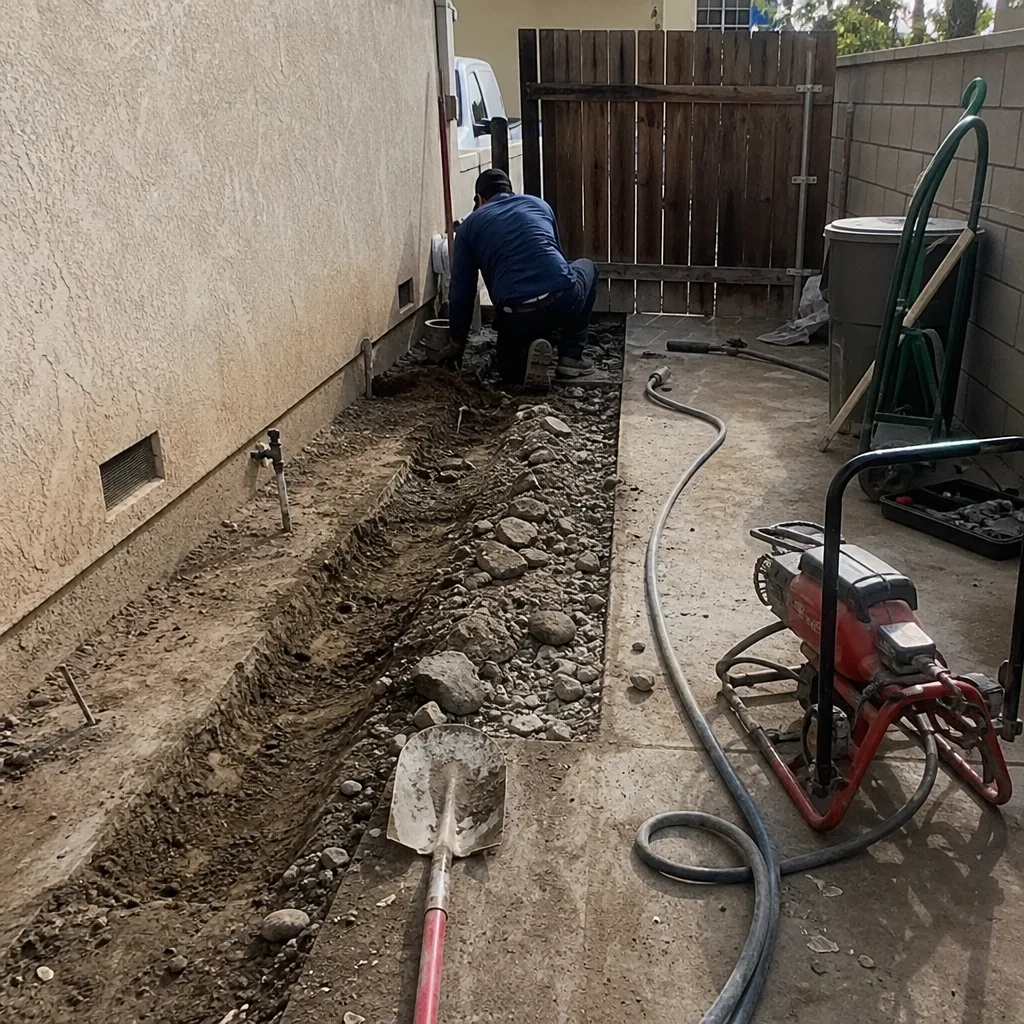
- Drainage planning: Gutters, downspouts, and grading must direct water away from the foundation. Rialto’s occasional heavy rain events make this non-negotiable.
We recommend asking any contractor you’re considering this direct question: “Have you built on expansive clay in Rialto before, and can I see the soil report from your last project here?” The answer tells you a lot about whether they understand local conditions or are just applying a generic Inland Empire playbook.
The Permit Process: City of Rialto vs. San Bernardino County
Rialto operates its own Building & Safety division, which handles permits for residential construction within city limits. But certain projects, particularly those involving septic systems, well water, or parcels near unincorporated county pockets, trigger San Bernardino County review as well. The result is a dual-track process that can confuse even experienced contractors.
Here’s the sequence most residential projects in Rialto follow:
- Plan check submission: Submit architectural and structural plans to Rialto Building & Safety. Typical review time is 2 to 4 weeks for remodels, 4 to 8 weeks for additions and ADUs.
- Department reviews: Plans route through planning, public works, and fire departments. Each stamps approval or requests revisions.
- County triggers (if applicable): Projects near county-maintained roads, flood control channels, or on parcels with county easements may require additional San Bernardino County sign-off.
- Permit issuance: Once all reviews clear, the city issues your permit. Fees typically run 1 to 3 percent of project valuation for remodels, higher for new construction.
- Scheduled inspections: Foundation, framing, electrical, plumbing, and final inspections happen at defined milestones. Rialto inspectors generally schedule within a few days of request, but plan around week-long waits during peak building season.
One detail that catches homeowners off guard: Rialto’s flood zone overlays. Portions of the city fall within FEMA-designated flood zones, particularly near the Santa Ana River and Lytle Creek channels. If your property sits in one of these zones, expect floodplain management review as part of the permit process. That can require elevation certificates or additional drainage provisions. A general contractor who knows Rialto checks flood maps before you ever pay for plans.
For homeowners planning larger projects, working with a contractor who manages this paperwork changes the experience entirely. We handle the coordination so you don’t have to, from initial submittal through final inspection, because that’s where most projects stall.
Material Lead Times and Sequencing Your Rialto Project
Every homeowner wants construction to start the week permits clear. That rarely happens, and the reason usually comes down to lead times. Regional suppliers in the Inland Empire carry certain materials in stock, but anything custom has to be ordered, manufactured, and delivered. We’ve seen cabinet orders stretch to 10 or 12 weeks when a spec changes mid-stream. Windows, especially custom sizes for older Rialto homes in the downtown corridor, can take 6 to 8 weeks from order to delivery.
Here’s how to sequence a remodel or addition in Rialto so you’re not paying a crew to wait:
- Lock material selections before permits submit: Cabinet species, countertop material, window brands, and fixture choices should be finalized during the design phase, not after demolition.
- Order long-lead items first: Windows, exterior doors, custom cabinetry, and specialty tile go on order the moment plans are approved at plan check.
- Sequence around the long-lead calendar: Demolition, framing, and rough mechanical work can proceed while materials are in production. Finish work waits until everything arrives.
- Build in a buffer: Add two weeks of schedule cushion for every major material category. A supplier hiccup shouldn’t turn into a two-month stall.
One advantage of working with contractors who maintain relationships with multiple brands is flexibility. If a specific cabinet line hits a production delay, having access to alternatives through a single source means you adjust without starting over. At Alder Contractors home, we tap a portfolio of 50+ name-brand material partners, from KraftMaid and Wellborn for cabinets to Cambria and Silestone for countertops, so a supplier issue doesn’t derail the whole project.
National chains can sometimes beat regional supplier pricing, but they also lack local delivery flexibility. Regional yards in Fontana and San Bernardino can often turn around concrete, lumber, and aggregate materials in a day or two, which matters when Rialto’s summer heat pushes concrete pour windows to early morning hours.
Freight Rail Corridors and Structural Vibration Specs
Rialto sits at the junction of major freight rail corridors that run through the Inland Empire. The Union Pacific and BNSF lines carry heavy freight through and around the city at all hours. For most homeowners, train noise is a quality-of-life issue. For construction projects, it’s a structural engineering variable.
Continuous ground vibration from passing freight trains affects different kinds of construction differently. Single-story wood-frame homes absorb vibration well, but two-story additions, second-story builds, and ADUs with foundation walls need to account for it. The California Building Code and local amendments require vibration considerations in structural design for properties within certain distances of active rail lines.
What this means in practice:
- Foundation reinforcement: Engineers may specify thicker slabs or additional rebar in areas with documented vibration exposure.
- Fastening systems: Structural connectors and shear wall fastening may be upgraded to resist cyclic movement.
- Crack control joints: Interior and exterior concrete work benefits from additional control joints to manage micro-movement over time.
- Window and door selection: Frames that tolerate slight movement perform better near rail corridors. We specify quality brands like PGT and Therma-Tru for these applications.
If your Rialto property is within a half-mile of an active rail line, ask your engineer about vibration testing. It’s a few hundred dollars and it removes guesswork from the structural spec. Contractors who have built near Rialto’s rail corridors know this drill. Contractors who haven’t will treat your addition like a build in a quiet suburb, and you’ll feel the difference in five years.
Aging Water Mains: What a Whole-Home Renovation Reveals
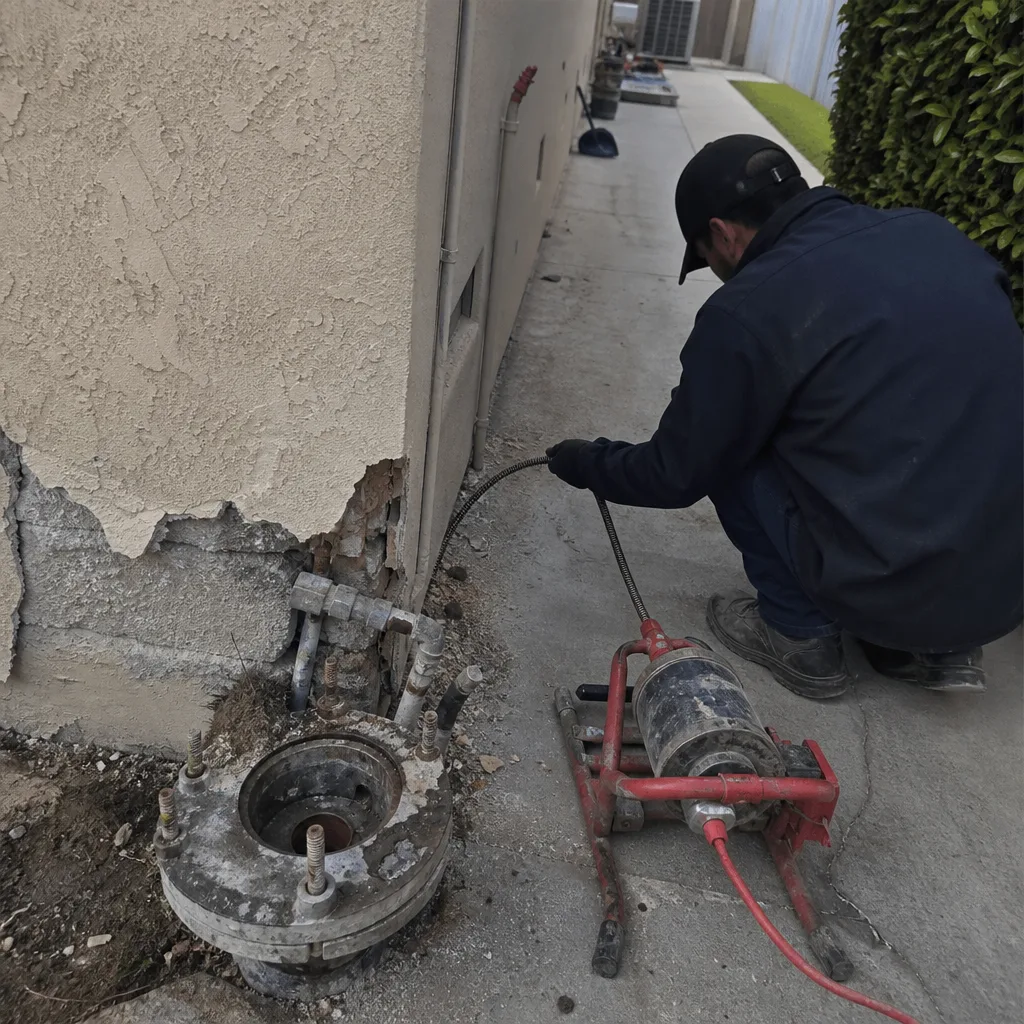
Rialto’s older neighborhoods, particularly those developed between the 1950s and 1970s, still have sections of cast-iron and galvanized steel water pipe in the ground. The city has been replacing these mains steadily, but plenty of residential service lines from the meter to the house are original. That’s not a construction problem until it is. Open up walls for a whole-home renovation and suddenly that 60-year-old galvanized pipe is visible, corroded, and cracking.
Here’s the scope change most homeowners don’t expect: a kitchen remodel that started as cabinets and counters turns into a repipe once the inspector sees the condition of the supply lines. In our experience, homes in the areas north of the 210 and parts of the downtown Rialto corridor are the most likely to need full repiping during renovation. The cost adds $4,000 to $8,000 depending on home size and accessibility, but the alternative is completing a beautiful remodel over plumbing that fails within a few years.
What should you do before starting a whole-home renovation in Rialto?
- Get a plumbing inspection: Camera scope the main line and visually inspect accessible supply lines before demolition starts.
- Check your water pressure: Low pressure often signals corrosion buildup inside galvanized pipes, even if the exterior looks fine.
- Ask about the city main: Rialto Water Services can tell you whether the main serving your street has been replaced or is still original.
- Budget a contingency: If you’re renovating an older Rialto home, set aside 5 to 10 percent for plumbing scope additions. You’ll either spend it or save it, but you won’t be surprised.
One contractor. Every phase. That’s the difference between a renovation that absorbs these discoveries smoothly and one that stalls while you scramble to find a plumber mid-project. Our team has handled these transitions hundreds of times across Rialto and the surrounding area, including the neighborhoods served by our General Contractor in Bloomington team.
ADU Construction in Rialto: The Prefab Advantage
Rialto’s residential lots are larger than what you’ll find in denser parts of San Bernardino County, which makes them ideal for accessory dwelling units. Under California’s statewide ADU laws and Rialto’s local ordinances, most single-family properties can add a detached or attached ADU without a zone change. That’s created a rush of interest from homeowners looking to add rental income or multi-generational living space.
Traditional ADU construction follows the same path as any addition: design, plan check, foundation, framing, trades, finish. That’s a 9 to 14 month timeline in the current Rialto market. Prefab and modular ADUs compress that timeline significantly. Companies like Abodu and Dvele deliver factory-built units that are craned into place, connected to utilities, and finished on site. The foundation work and utility connections still happen locally, but the structure itself arrives mostly complete.
What should homeowners weigh between traditional and prefab ADUs in Rialto?
- Timeline: Prefab typically finishes 4 to 7 months faster than site-built construction.
- Customization: Site-built offers unlimited design flexibility. Prefab works within defined floor plans and finish packages.
- Permitting: Both paths require Rialto permits. Prefab manufacturers provide sealed structural drawings that can speed plan check.
- Cost: Prefab pricing is more predictable but not always cheaper. Site-built costs vary with material choices and site conditions.
- Site access: Prefab requires crane access and a lot with room for delivery. Check your lot before committing.
We’re one of the few contractors in the Rialto area with direct experience managing prefab ADU installations, including projects with Abodu and Mighty Buildings. That’s a meaningful advantage for homeowners who want the timeline benefits of factory construction without becoming their own project managers. For comparison, our Home Remodeling in Bloomington work often involves the same considerations on similar lot sizes.
What Construction Actually Costs in Rialto
Cost questions dominate every construction conversation, and Rialto has its own pricing landscape. Labor rates here run slightly below what homeowners pay in Orange County or coastal Los Angeles, but above what contractors charge in more rural parts of San Bernardino County. Material costs are consistent with the broader Inland Empire market.
Here are working ranges we’ve seen in Rialto over the past several years:
| Project Type | Typical Range | Timeline |
|---|---|---|
| Kitchen remodel (mid-range) | $45,000 – $85,000 | 6 – 12 weeks |
| Primary bath remodel | $25,000 – $50,000 | 4 – 8 weeks |
| Whole-home interior renovation | $150,000 – $350,000+ | 4 – 9 months |
| Exterior replacement (roof, siding, windows) | $35,000 – $95,000 | 3 – 8 weeks |
| Detached ADU (site-built) | $180,000 – $320,000 | 9 – 14 months |
| Detached ADU (prefab) | $140,000 – $260,000 | 4 – 7 months |
| Hardscaping and fencing | $15,000 – $60,000 | 2 – 6 weeks |
These ranges assume average site conditions and mid-range material selections. Your project will land higher or lower based on your specific soil report, access, finish choices, and scope changes along the way. The best way to get an accurate number is a detailed estimate from a contractor who has built in Rialto recently. We provide line-item quotes built to your budget, not ours, so you see exactly where every dollar goes before you commit.
For homeowners exploring renovation options in nearby communities, our Home Renovation in Bloomington page covers similar cost considerations in that market.
Common Mistakes to Avoid
- Skipping the soil report. A contractor who pours a standard slab without geotechnical data is gambling on Rialto’s expansive clay, and the house loses that bet over time. Insist on a soil report before foundation design begins.
- Underestimating permit timelines. Homeowners often plan for a 2-week permit process and get 2 months. Build plan check time into your schedule from the start, especially for additions and ADUs.
- Selecting materials too late. Waiting until after demolition to choose cabinets or windows means you’ll either make rushed choices or pay crews to wait through 8-week lead times.
- Ignoring rail proximity. Properties near Rialto’s freight corridors need vibration-aware engineering. Treating those builds like quiet-suburb construction creates long-term cracking and fastener issues.
- Not scoping the plumbing. Older Rialto homes with original galvanized pipes can turn a cosmetic remodel into a full repipe. Get a plumbing inspection before you start.
- Choosing the lowest bid without checking Rialto experience. A contractor with no local track record won’t know the inspectors, the soil, or the permit quirks. That inexperience costs more than the bid savings.
- Skipping contingency budget. Every Rialto renovation hits something unexpected. Planning with a 10 percent contingency keeps surprises manageable instead of devastating.
When to Call a Professional
Construction in Rialto isn’t a DIY undertaking, and even homeowner-managed projects benefit from professional guidance at key stages. If your project involves structural changes, foundation work, or anything that touches the building envelope, bring in a licensed general contractor. The same goes for ADUs, where the permit process alone is enough to overwhelm even organized homeowners. If you’re uncertain about your soil conditions, rail proximity, or the age of your plumbing, a professional consultation can answer those questions before they become expensive problems. Alder Contractors offers free estimates in Rialto. Call (833) 467-7020 to schedule yours.
Frequently Asked Questions
Construction costs in Rialto typically range from $45,000 to $85,000 for a mid-range kitchen remodel and $180,000 to $320,000 for a site-built ADU, with whole-home renovations running $150,000 to $350,000 or more depending on home size and finish level. Your specific site conditions and material choices move the number significantly. Call (833) 467-7020 for an exact quote, estimates are free.
Yes, the City of Rialto requires geotechnical soil reports for most additions and new construction because of the expansive clay soils throughout the area. The report determines foundation design and is non-negotiable for permitted work.
Typical plan check review in Rialto runs 2 to 4 weeks for remodels and 4 to 8 weeks for additions and ADUs, assuming plans are complete and no major revisions are required. Scheduling your contractor early and submitting thorough plans keeps this timeline from stretching further.
Most single-family properties in Rialto can add a detached or attached ADU under California’s statewide ADU laws and Rialto’s local ordinances, though site-specific constraints like lot size, setbacks, and rail proximity still apply. Prefab options from partners like Abodu can shorten the timeline considerably.
Older Rialto homes often have original galvanized or cast-iron supply lines that are corroded and near failure. If your inspector or contractor identifies this during a remodel, replacing the plumbing is a recommended scope addition rather than risk a completed kitchen leaking into new cabinetry.
Your price should stay fixed if your contractor provides a detailed line-item contract and you don’t change the scope. Unexpected conditions like failed plumbing or soil surprises can add change orders, which is why we recommend contractors who provide written, fixed pricing and a clear contingency plan. Call (833) 467-7020 to discuss how we structure contracts to minimize surprises.
The Bottom Line
Construction in Rialto rewards preparation and local knowledge. The soil, the dual-agency permit process, the rail corridors, and the aging infrastructure in older neighborhoods all influence how your project comes together. A contractor who understands these variables sequences the work properly, specs the right materials, and keeps your timeline honest. A contractor who doesn’t leaves you paying for the learning curve. Choose someone who has built here, who can name the brands they’ll use, and who manages every phase from roofline to backyard. That’s the difference between a project that runs smoothly and one that becomes a story you’d rather not tell.
Written by the team at Alder Contractors, serving Rialto since 2013.
See the difference
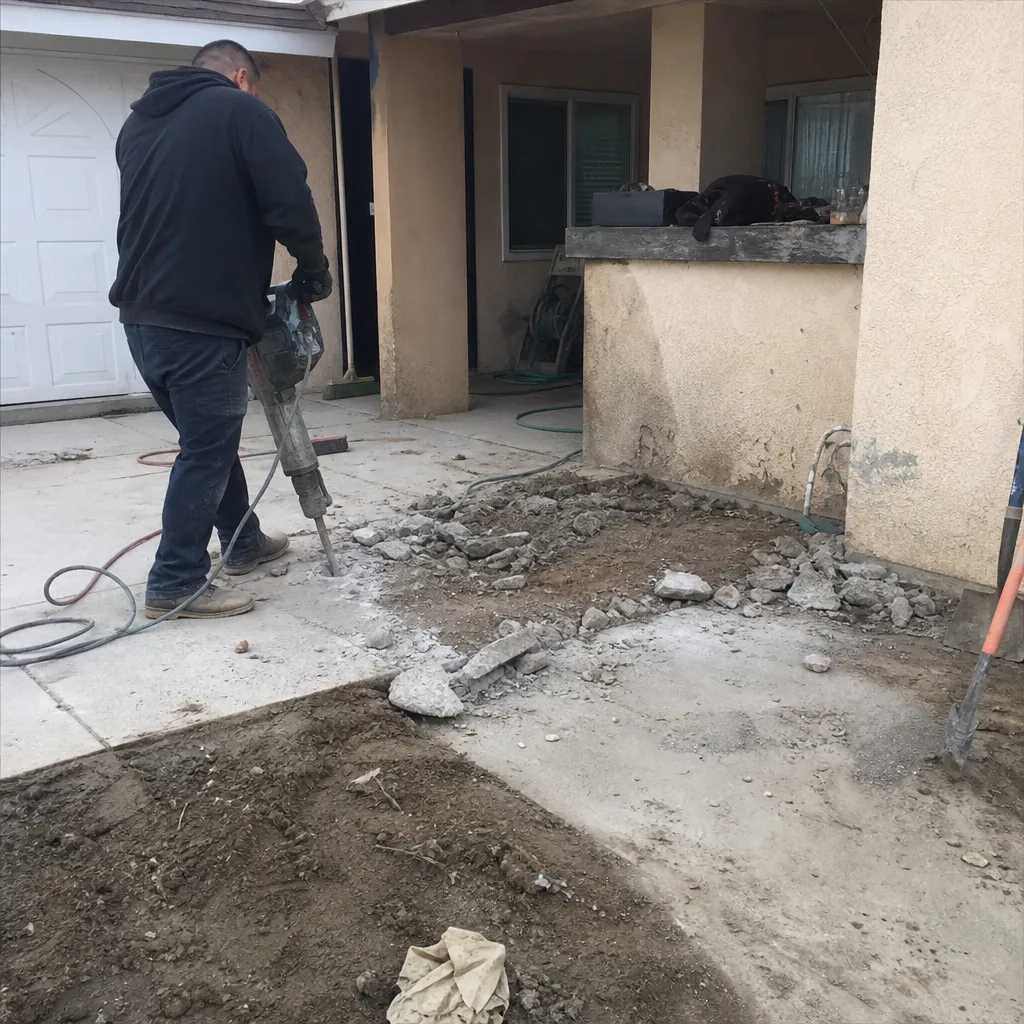 Before
 After
 Before
 After
 Before
 After