
Last updated October 31, 2026
 Home additions & ADU
 Kitchen remodeling
 Bathroom remodeling
 Roofing
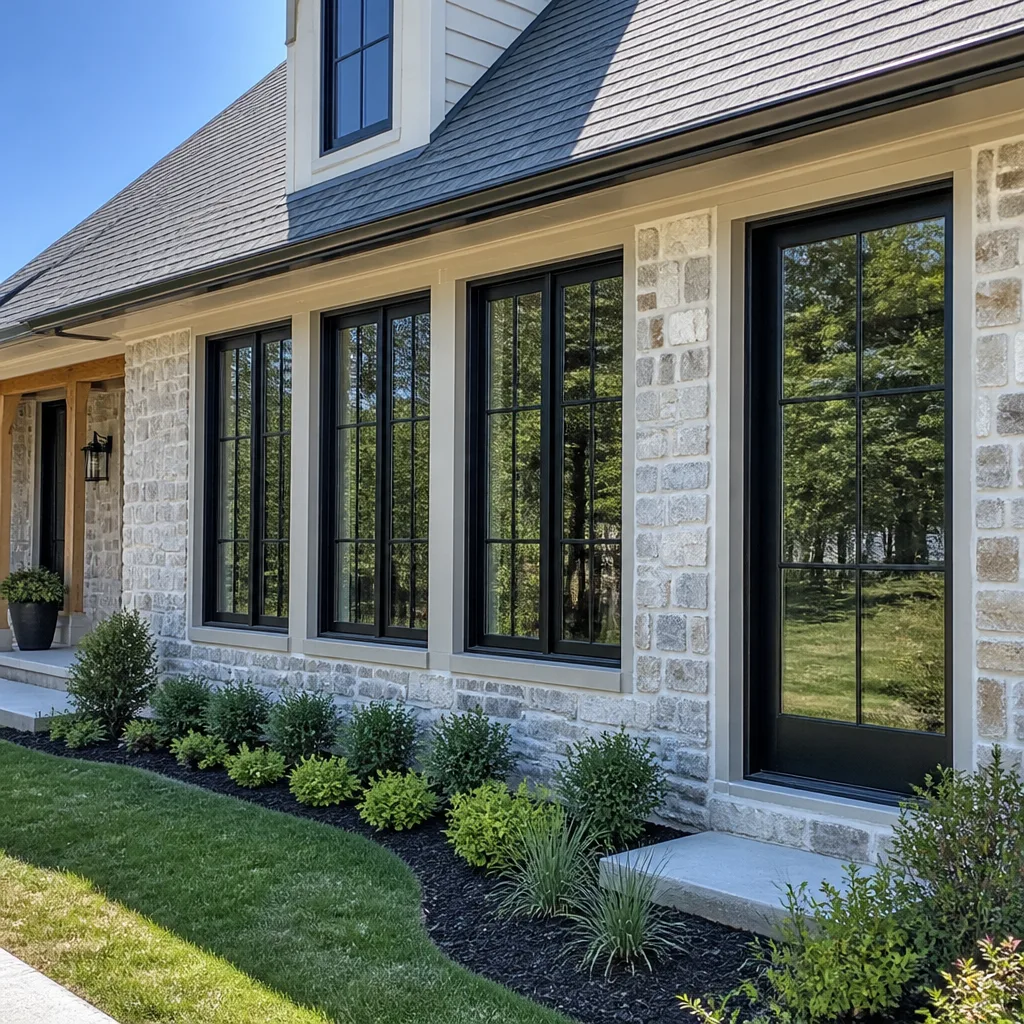 Windows & doors
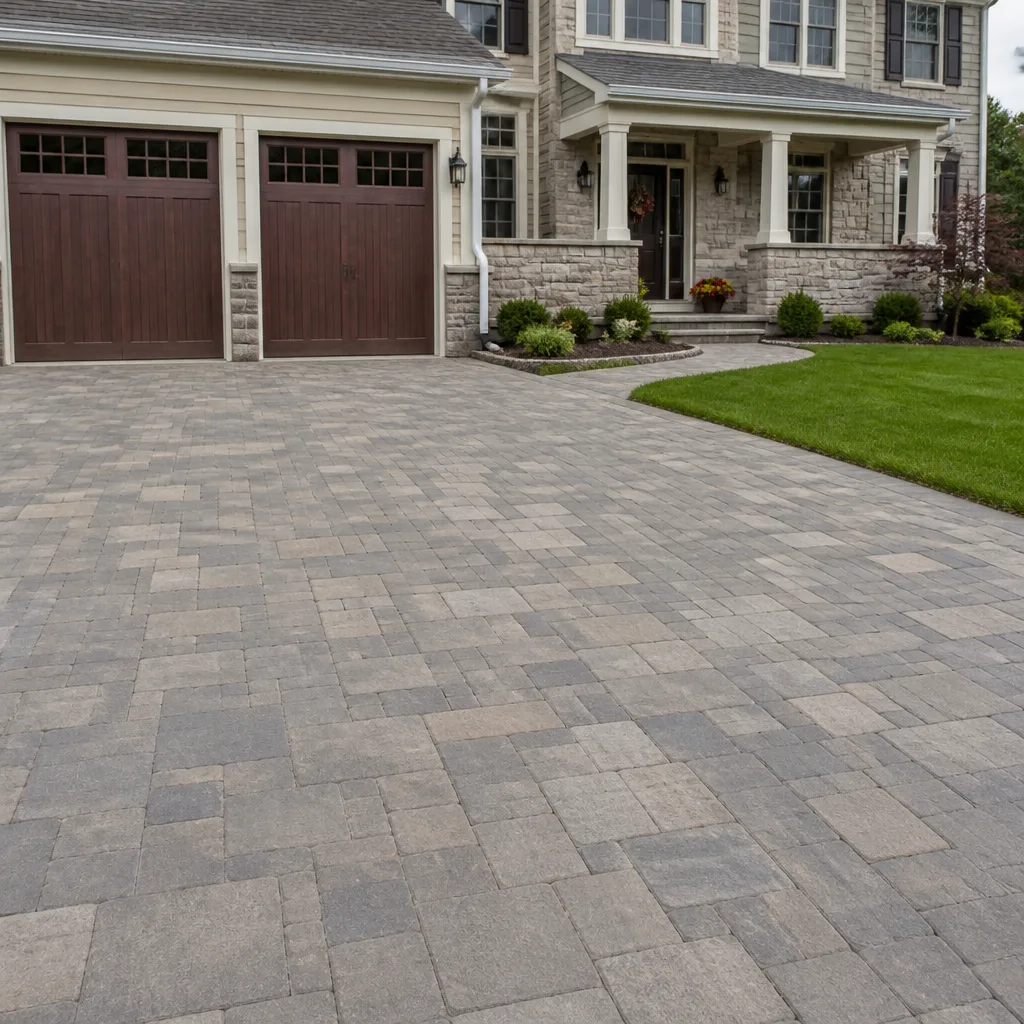 Driveway & pavers
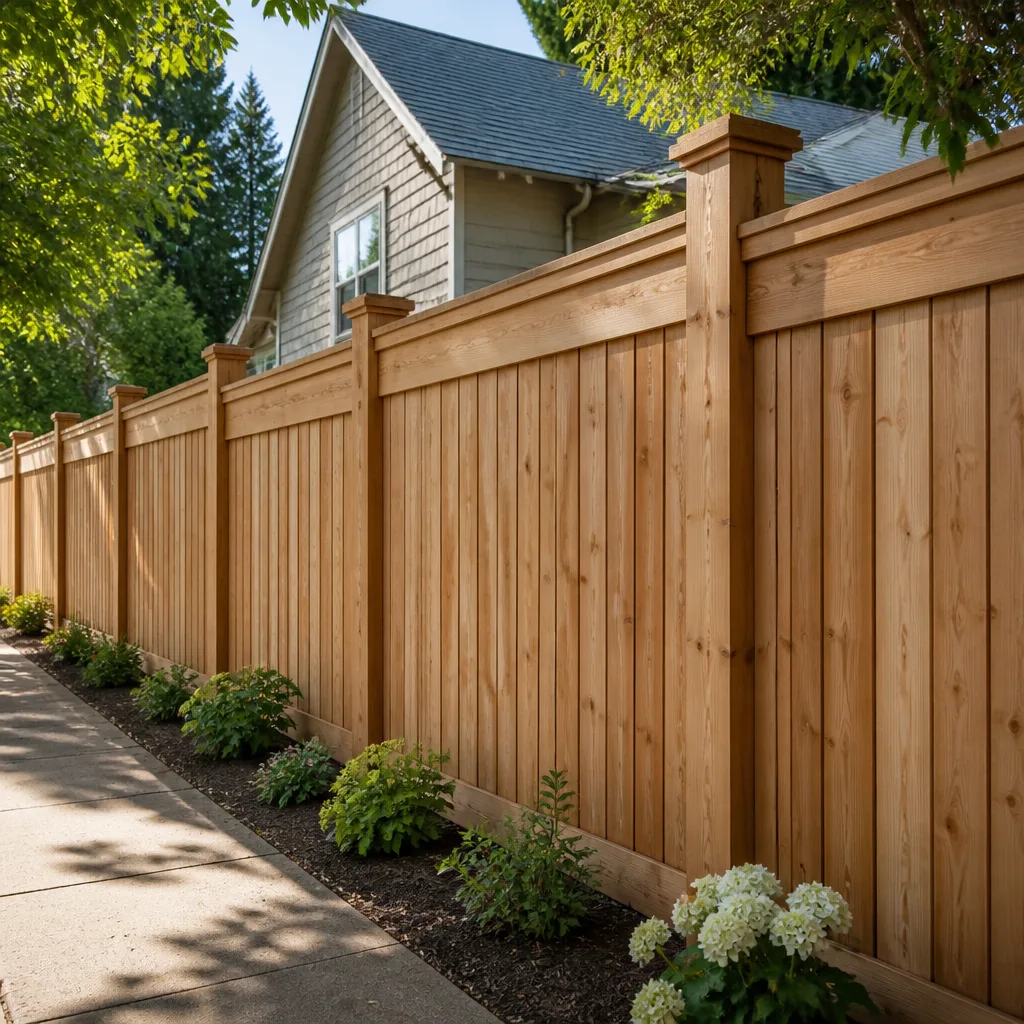 Fence
Free written scope consultation - allowances, timeline, and change-order rules on paper before a single trade is scheduled
Construction Cost Breakdown: The Rialto Homeowner’s Reference for 2026
Here’s the thing about national construction cost calculators: they’ll tell you a kitchen remodel runs $150 – $250 per square foot, and then you sit down with a Rialto contractor and hear $280 – $380 for the same scope. The disconnect isn’t a contractor padding a bid. It’s the Inland Empire labor market, San Bernardino County’s permit structure, and the reality that the materials available at a big-box store in Fontana are not the same materials a trade supplier stocks for warranty-backed installation. This reference breaks down what construction actually costs in Rialto in 2026, trade by trade, permit by permit, so you can build a budget that survives contact with your first real bid. For Construction Warning Signs: A Rialto Homeowner’s Reference Guide, see our companion piece.
Quick Answer
In Rialto, expect to budget $190 – $260 per square foot for a mid-range interior remodel in 2026, $55 – $90 per square foot for exterior replacement work, and $320 – $450 per square foot for an ADU build. Full-kitchen remodels typically land between $48,000 and $92,000 depending on material grade, and a standard bathroom hits $22,000 – $48,000. Permit fees add roughly 3 – 5% to hard costs, and you should hold a 12 – 15% contingency on any project touching Rialto’s expansive clay soils.
Styles & brands we work with
Table of Contents
- Labor Rates in Rialto: What Each Trade Actually Charges in 2026
- Rialto and San Bernardino County Permit Fees: The 2026 Schedule
- Material Cost Tiers: Builder-Grade vs. Mid-Range vs. Specification-Grade
- Soft Costs: Design, Engineering, and Soil Reports on Rialto Lots
- Flooring Costs by Material: What Rialto Homes Actually Need
- How to Compare Contractor Bids on Equal Footing
- Why Rialto Soil Conditions Change Your Contingency Math
- Common Mistakes to Avoid
- When to Call a Professional
- Frequently Asked Questions
Labor Rates in Rialto: What Each Trade Actually Charges in 2026
Inland Empire labor rates have been climbing faster than the statewide average for five years running. The reason is simple: Rialto sits in a construction corridor that feeds projects from Rancho Cucamonga to Redlands, and the same framing crews that work residential jobs in Rialto are also being pulled toward industrial tilt-up work in Ontario and warehouse retrofits in Fontana. That competition for skilled labor pushes residential rates up.
Here’s what you should expect to pay per trade in Rialto in 2026:
- General contractor fee: 12 – 18% of project cost, or $60 – $95 per hour for project management time. This is not a markup to avoid; it’s the line item that buys schedule coordination, permit management, and a single point of accountability.
- Framing carpentry: $55 – $75 per hour. Rialto framing crews skew toward piece-rate work on larger additions, which can bring effective costs down on a full ADU or garage conversion.
- Electrical: $95 – $135 per hour, plus $250 – $400 per rough-in point. Rialto’s older housing stock, especially homes built before 1980, often has panels that need upgrading before any remodel passes inspection.
- Plumbing: $85 – $125 per hour. Repiping a bathroom in a 1960s Rialto home often means replacing cast iron waste lines, not just supply plumbing, and that’s a material cost the national calculators miss.
- Tile setting: $12 – $18 per square foot for standard layouts, $18 – $28 for large-format tile or intricate patterns. Rialto installers working with 24×48 porcelain charge more, and they should – those panels require specialized handling.
- Painting: $4.50 – $7.50 per square foot of surface area for interior work. Drywall texture matching on Rialto homes with older plaster walls adds $1.50 – $2.50 per square foot.
Statewide, these numbers run 10 – 20% lower. The gap is the Inland Empire labor market doing what the Inland Empire labor market does: competing with commercial construction a few miles down the 10 freeway. When you’re budgeting a Rialto remodel, build from these numbers, not from a national average that assumes labor markets in Ohio and Riverside behave the same way. They don’t.
Rialto and San Bernardino County Permit Fees: The 2026 Schedule
Rialto Building & Safety uses a valuation-based permit fee schedule, which means your permit cost is calculated as a percentage of your declared project value (see Construction Permits, Codes & Inspections in CA: What You Need to Know for broader context). In 2026, the combined building permit, plan check, and inspection fees typically run 3 – 5% of total hard construction cost for most residential projects.
Here’s how the math breaks down by project type:
- Kitchen or bath remodel (no structural changes): $850 – $1,600 total permit package, including mechanical, electrical, and plumbing subpermits.
- Room addition (200 – 400 sq ft): $2,400 – $4,800, driven by the plan check fee and multiple inspection rounds.
- ADU construction (500 – 800 sq ft): $4,000 – $7,500 in Rialto. San Bernardino County has streamlined ADU permits, but the valuation thresholds still catch most projects at the higher end.
- Re-roof (same footprint, no structural change): $350 – $650. Reroofs with tear-off and sheathing replacement run higher because the valuation includes the added materials.
- Window and door replacement (like-for-like): $200 – $450 depending on the number of openings.
The catch in Rialto is soil. Any project that adds square footage – an addition, an ADU, a garage conversion – requires a soils report before the structural plan check moves forward. That report runs $1,800 – $3,200 depending on lot access and the number of borings needed. On expansive clay lots, which cover a meaningful share of Rialto’s residential parcels, the soils report often leads to an engineered foundation requirement, and that’s an additional $4,000 – $9,000 in engineering and foundation cost that a national calculator will never flag. For context on how multi-trade projects come together under a single permit package, our General Contractor in Bloomington team manages this exact sequencing across San Bernardino County.
Material Cost Tiers: Builder-Grade vs. Mid-Range vs. Specification-Grade
This is the section where national averages become actively misleading. A kitchen remodel in Rialto can cost $48,000 or $92,000, and the difference is less about square footage than it is about which tier of materials you’re selecting at each decision point. Here’s what the tiers look like in practice, using brands we source through our contractor accounts rather than retail shelves:
- Cabinets: Builder-grade stock cabinets run $80 – $120 per linear foot. Mid-range semi-custom, like KraftMaid or Wellborn, lands at $180 – $280 per linear foot. Specification-grade custom cabinetry starts around $350 per linear foot and climbs quickly.
- Countertops: Builder-grade laminate is $18 – $30 per square foot installed. Mid-range quartz from Silestone or Caesarstone runs $65 – $85 per square foot. Cambria, which is American-made and carries a transferable warranty, lands at $85 – $120 per square foot – and it’s quartz, so the maintenance profile is far better than the granite it’s replacing in most Rialto remodels.
- Plumbing fixtures: A builder-grade bathroom faucet set from American Standard might run $120 – $220. A mid-range Moen or Kohler line is $300 – $600. Specification-grade Grohe or Toto fixtures start at $700 for a faucet and $1,200 for a toilet, and the difference shows up in valve quality, cartridge longevity, and finish durability.
- Roofing: Builder-grade 3-tab shingles from Tamko or IKO run $4.50 – $6.50 per square foot installed. Architectural shingles from GAF, CertainTeed, or Owens Corning run $7 – $10 per square foot installed with 30-year-plus warranties. In Rialto’s sun exposure, architectural shingles are not an upsell – they’re what prevents your roof from looking tired at year eight.
- Flooring: Builder-grade LVP runs $2.50 – $4.50 per square foot installed. Mid-range engineered hardwood or porcelain tile runs $8 – $14. Specification-grade hardwood or large-format tile starts at $15 per square foot. Rialto’s summer heat makes solid hardwood a riskier choice than engineered, which is more dimensionally stable in low-humidity inland climates.
The material availability gap between big-box retail and regional trade supply is real in 2026. What Home Depot stocks in Fontana is built for volume pricing and DIY installation. What a contractor can access through trade accounts – the Cambria slab yard, the GAF roofing distributor, the Kohler fixture showroom – includes warranty coverage, color-matching support, and replacement parts that retail channels don’t carry. That’s part of why our Home Remodeling in Bloomington projects consistently hit their material timelines when retail-supplied projects stall.
Soft Costs: Design, Engineering, and Soil Reports on Rialto Lots
Soft costs catch more Rialto homeowners off guard than any single trade line item. These are the costs that show up before a hammer swings – and they’re non-negotiable if you want a permit to clear.
- Design fees: Full architectural drawings for an ADU run $6,000 – $14,000 in the Inland Empire market. Kitchen and bath design through a design-build contractor is often bundled into the project cost, but if you’re paying a standalone designer, budget $1,200 – $4,000 per room.
- Soils report: $1,800 – $3,200 as noted above. Rialto’s clay-heavy lots make this mandatory for anything with a foundation.
- Structural engineering: $2,500 – $7,000 for a room addition or ADU depending on whether the soils report requires an engineered slab or grade beam. On flat, stable lots, engineering is simpler and cheaper. On expansive soils, it’s the difference between a project that settles evenly and one that cracks.
- Title 24 energy compliance: $400 – $900 for the compliance report and HERS verification. Rialto’s climate zone (Zone 10, inland) requires specific window and insulation packages that differ from coastal California.
- Plan check and permit expediting: If you use a permit runner or your contractor handles plan check corrections, budget $500 – $1,200 for the back-and-forth.
When we scope a Home Renovation in Bloomington project, the soft cost line is always itemized separately. Lumping it into a lump-sum bid is how homeowners end up surprised when the “all-in” price grows by $8,000 before drywall goes up. Itemize it, understand it, and your budget holds.
Flooring Costs by Material: What Rialto Homes Actually Need
Flooring is the one category where Rialto homeowners most often overspend on the wrong material. Inland Empire summers push interior temperatures into the 90s, humidity swings are wide, and many Rialto homes sit on slab foundations that trap moisture. Those conditions rule out some popular materials outright.
- Solid hardwood: Risky on slab foundations. The moisture vapor transmission from a slab can warp unfinished oak boards within two seasons. If you’re set on wood, engineered hardwood from manufacturers like Boral’s flooring line handles slab conditions far better. Budget $8 – $14 per square foot installed.
- Porcelain tile: The best-performing floor for Rialto’s climate. Large-format 24×48 porcelain runs $10 – $18 per square foot installed, and it performs beautifully on slab. The coldness people worry about is actually an asset in summer.
- Luxury vinyl plank (LVP): The value play at $3.50 – $6 per square foot installed. Modern LVP is waterproof, dimensionally stable, and far more comfortable underfoot than tile. This is the category where the retail-to-trade gap is widest – the $2.99/sq ft LVP at a big-box store is not the same product as the $4.50/sq ft LVP a flooring distributor stocks.
- Carpet: $3 – $5 per square foot installed for mid-range nylon or wool-blend. Carpet makes sense for bedrooms in Rialto’s climate, but it should never go in kitchens, baths, or entry areas where the dust and heat load will age it fast.
- Natural stone: Travertine and limestone have a place in Rialto’s Mediterranean-style homes, but they’re high-maintenance. Budget $14 – $22 per square foot installed, and know that you’re signing up for annual sealing.
How to Compare Contractor Bids on Equal Footing
Most Rialto homeowners compare bids the wrong way: they look at the bottom-line number and assume the lowest bid is the best deal. What they should be comparing is scope: what’s included, what’s excluded, and what’s assumed. Here’s the right way to do it:
- Demand a line-item scope of work. Every trade, every material, every allowance spelled out. “Kitchen remodel, $58,000” is not a bid. It’s a number. A proper scope lists cabinet linear feet, countertop material and slab source, fixture brands and models, plumbing rough-in count, tile square footage, and finish hardware.
- Match the material allowances across bids. If Bid A allows $8,000 for cabinets and Bid B allows $14,000, they’re not bidding the same kitchen. The gap is not savings. It’s a lower-spec kitchen that will look different from the one you imagine.
- Check what’s excluded. Demolition, hauling, permit fees, and finish carpentry are the most common exclusions that get buried in bid fine print. Ask each bidder to confirm these items are included in writing.
- Compare the payment schedule. A bidder asking for 50% down before materials are ordered is financing your project on your dime. Standard in California is 10% or $1,000 (whichever is less) at contract signing, with progress payments tied to completed milestones.
- Ask how change orders are priced. Every project gets change orders. The question is whether they’re priced fairly with documented cost justification or inflated because the contractor knows you’re committed. Get the change order rate in writing: labor rate, markup percentage, and material sourcing.
When the scope of work is identical across three bids, the numbers tend to land within 8 – 12% of each other. When the numbers are 30% apart, the scopes are never the same. Figure out which one matches your actual project, and the decision gets much easier. Our Alder Contractors home page outlines how we structure our scope documentation for exactly this kind of comparison.
Why Rialto Soil Conditions Change Your Contingency Math
The standard advice is to hold a 10% contingency on any remodel. In Rialto, that’s the minimum, not the recommendation, and our Construction Emergency Preparedness Guide for Rialto Homes explains why. Here’s what changes the math:
- Expansive clay soils: Rialto’s residential lots, particularly in the older neighborhoods around Foothill Boulevard and north of the 210, sit on clay that expands and contracts with moisture. That movement affects foundations, slab work, and any structure added to the property. A soils report that comes back unfavorable adds $4,000 – $9,000 in engineered foundation work that wasn’t in the original budget.
- Unexpected plumbing conditions: Rialto’s 1960s and 1970s housing stock often has galvanized supply lines and cast iron waste lines that are at the end of their service life. A kitchen remodel that opens a wall and finds corroded cast iron just added $2,000 – $5,000 in replacement plumbing that no scope-of-work document could have predicted.
- Drywall texture matching: Homes in Rialto’s older sections frequently have hand-troweled texture or plaster walls. Matching new drywall to old texture is an art, and it’s priced accordingly. Budget an extra $1 – $3 per square foot when patching or extending walls in these homes.
- Termite and dry-rot discovery: This is the big one. Rialto’s inland climate is termite country. A project that starts as a simple bathroom remodel can reveal sill plate damage, subfloor rot, and framing that needs sistering or replacement. The contingency that covers this is 15%, not 10%.
In our experience, projects on Rialto lots with known clay soils should hold a 15% contingency from day one. Projects on more stable, sandy lots in newer developments can manage with 10 – 12%. The difference is paid for in avoided stress when the soils report comes back, and it does, and your budget already accounted for it.
Common Mistakes to Avoid
- Budgeting from a national average. The $150/sq ft kitchen remodel number was never real in California, and it’s especially not real in Rialto in 2026. Build from Inland Empire numbers, not national ones.
- Ignoring the soils report until it’s too late. The soils report is not a bureaucratic checkbox. On Rialto’s clay lots, it determines whether your addition cracks in year three or sits solid for thirty. Get it early, budget for the findings.
- Comparing bids by bottom-line number alone. Three bids at $52,000, $58,000, and $71,000 are not three prices for the same project. They’re three different projects with different scopes. Work from the scope of work document, not the invoice total.
- Buying materials retail thinking it saves money. The $2.99/sq ft LVP at the big-box store costs more in the long run than the $4.50/sq ft trade product when you factor in wear, warranty, and installation problems. Materials are not the place to save money in a Rialto remodel.
- Underfunding the contingency. A 5% contingency on a Rialto remodel is a plan to run out of money mid-project. Hold 12 – 15% and treat it as part of the budget, not a hope.
- Sequencing trades without a general contractor. Acting as your own GC can work on a single-trade project. On a multi-trade remodel in Rialto’s inspection environment, the schedule coordination alone is worth a GC fee. One missed rough-in inspection resets the whole timeline.
- Skipping the permit because it’s “just a remodel.” Rialto requires permits for work that many homeowners assume is exempt. Working without one saves $1,500 up front and creates a disclosure problem when you sell. It also voids your homeowner’s insurance coverage for the work.
When to Call a Professional
Some projects genuinely are DIY-sized. Painting a bedroom, swapping a faucet, replacing a light fixture – those are within reach for a competent homeowner. But the projects this guide covers are not that. Any work touching Rialto’s building permit system, structural elements, plumbing rough-ins, electrical panels, or foundation work should be handled by a licensed contractor. The cost of correcting a DIY mistake in one of those trades usually exceeds the cost of hiring the trade right the first time. And on multi-trade projects, the coordination value of a single accountable party is not a convenience – it’s what keeps the project moving. Alder Contractors offers free estimates in Rialto – call (833) 467-7020 to schedule yours.
Frequently Asked Questions
A mid-range kitchen remodel in Rialto runs $48,000 – $72,000 depending on size, material grade, and the condition of existing plumbing and electrical. A specification-grade kitchen with Cambria countertops, KraftMaid cabinetry, and Kohler fixtures lands at $75,000 – $92,000. The gap comes down to material tier, not square footage. Call (833) 467-7020 for an exact quote – estimates are free.
Rialto permit fees for residential remodels typically run 3 – 5% of total hard construction cost. A kitchen remodel will carry $850 – $1,600 in permit costs; an ADU will run $4,000 – $7,500. Every project that adds square footage also requires a soils report, which adds another $1,800 – $3,200. Call (833) 467-7020 if you’re unsure whether your project needs a permit – we’ll tell you straight.
A kitchen remodel typically runs 8 – 12 weeks from demo to final inspection in Rialto. A bathroom is 4 – 6 weeks. An ADU is 5 – 8 months depending on permit turnaround and foundation work. Every project loses more time to inspection scheduling and change-order decisions than to actual construction labor. Call (833) 467-7020 for a realistic timeline on your specific scope.
An attached or detached ADU in Rialto runs $320 – $450 per square foot all-in for a standard 500 – 800 square foot unit. Soils reports, engineering, and the permit package add $8,000 – $15,000 before construction begins. Prefab ADUs from manufacturers like Abodu or Dvele can compress the build timeline significantly, though they don’t necessarily reduce total cost. Call (833) 467-7020 to discuss whether a prefab or site-built ADU fits your property.
Hold 12 – 15% on any Rialto project that touches foundations, opens walls, or involves older housing stock. Expansive clay soils, galvanized plumbing, and termite damage are the three cost drivers that push contingency needs above the 10% baseline. On newer construction with stable soils, 10 – 12% is adequate. Call (833) 467-7020 for a scope-specific contingency recommendation.
Cabinetry and countertops are consistently the largest single line item in a kitchen remodel, running $25,000 – $45,000 combined at mid-range and specification grades. For whole-home projects, framing and foundation work on Rialto’s clay soils often exceeds every finish category combined. Call (833) 467-7020 for a trade-by-trade cost breakdown on your project.
The Bottom Line
Rialto construction costs in 2026 are not a mystery. They’re a function of Inland Empire labor rates that run 10 – 20% above the national average, San Bernardino County permit fees that follow valuation thresholds, and soil conditions that make contingency planning mandatory. The homeowners who build accurate budgets are the ones who work from trade-by-trade numbers, demand line-item scopes of work, and plan for what the soils report might find before the soils report finds it. The homeowners who build from national averages end up surprised, underfunded, and rushed. You’re neither of those things now.
Written by the team at Alder Contractors, serving Rialto since 2013.
See the difference
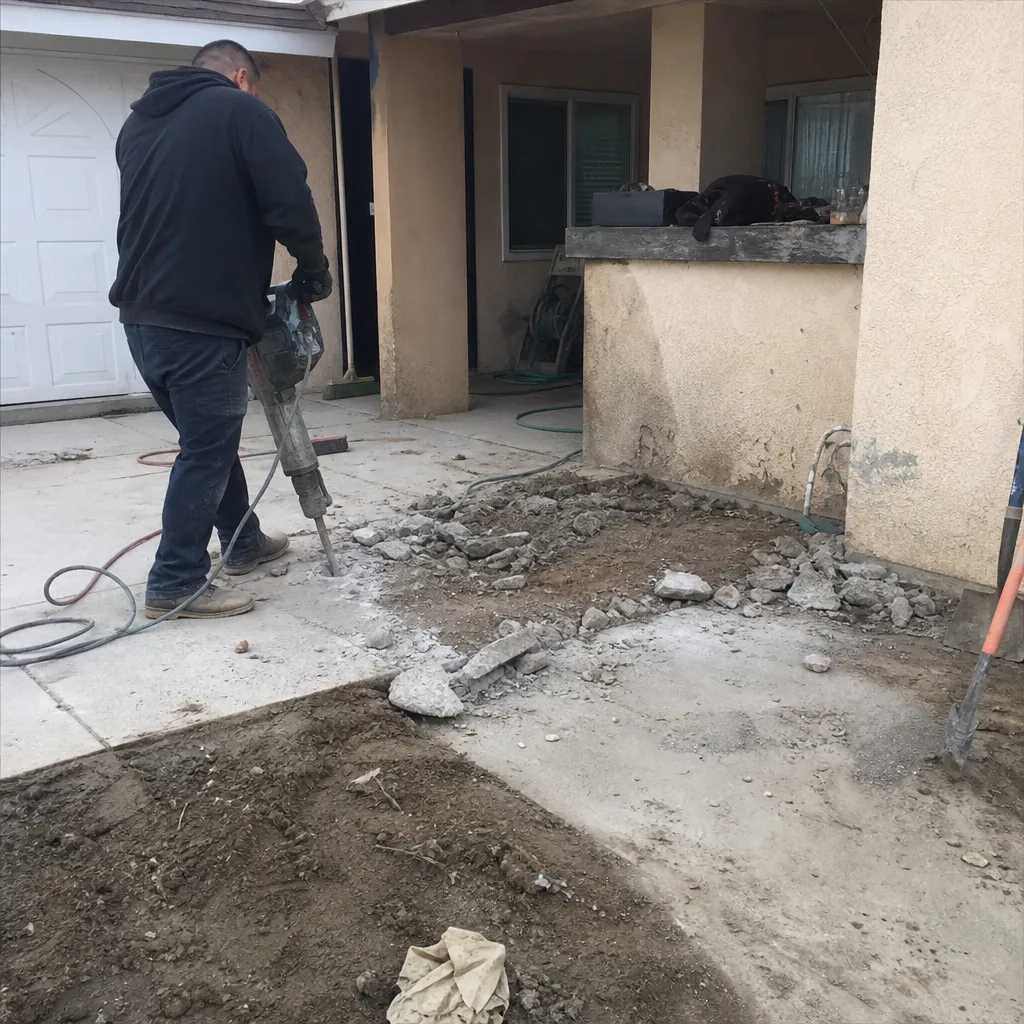 Before
 After
 Before
 After
 Before
 After