
Last updated October 31, 2026
 Kitchen remodeling
 Bathroom remodeling
 Home additions & ADU
 Roofing
 Windows & doors
 Driveway & pavers
 Fence
Free written scope consultation - allowances, timeline, and change-order rules on paper before a single trade is scheduled
General Contractor Troubleshooting: Common Problems and How to Fix Them
Most homeowners assume a renovation goes sideways because the contractor was dishonest or incompetent. In our experience running large-scale remodels across Rialto and the Inland Empire, the real culprit is almost always quieter: a contract that left too many decisions unmade. When the scope is vague about material specs, payment schedules skip lien-release milestones, and change orders exist in text messages instead of writing, the project inherits chaos before the first wall comes down. This guide walks through the ten most common mid-project failures, what actually causes them, and the specific fix for each one. For how to hire a construction contractor in Rialto: a step-by-step guide, see our dedicated walkthrough. You’ll learn how to catch a contractor who’s not paying subs before a mechanic’s lien lands on your title, how to tell a legitimate change order from a lowball bid catching up with you, and what a real punch-list process looks like when the job is supposedly done.
Quick Answer
General contractor problems usually stem from unresolved contract terms, not bad intent. The fix is to lock down scope, material specs, payment schedules tied to lien waivers, change-order protocols, and a defined punch-list process before work starts. If a problem is already active, the solution sequence is: document everything in writing, request a formal meeting, escalate through the contract’s dispute clause, and consult a construction attorney if payments or liens are involved. Homeowners who manage these five controls from day one avoid nearly every dispute that lands in court.
Styles & brands we work with
Key Takeaways
- Track every subcontractor payment with a California Preliminary Notice log before a lien deadline passes.
- Change orders are only legitimate when they add scope you explicitly approved in writing, not when they patch holes in the original bid.
- Substantial completion disputes get resolved fastest with a documented, itemized punch list and a defined correction timeline in the contract.
- Material substitution is most common in roofing underlayment, framing lumber grade, and insulation R-value because they are hidden after installation.
- Communication breakdowns follow a predictable pattern: missed RFIs, delayed submittals, then vague schedule updates. Escalate early.
- A single-source general contractor eliminates the number one failure point: coordination gaps between trades that no one owns.
See the difference
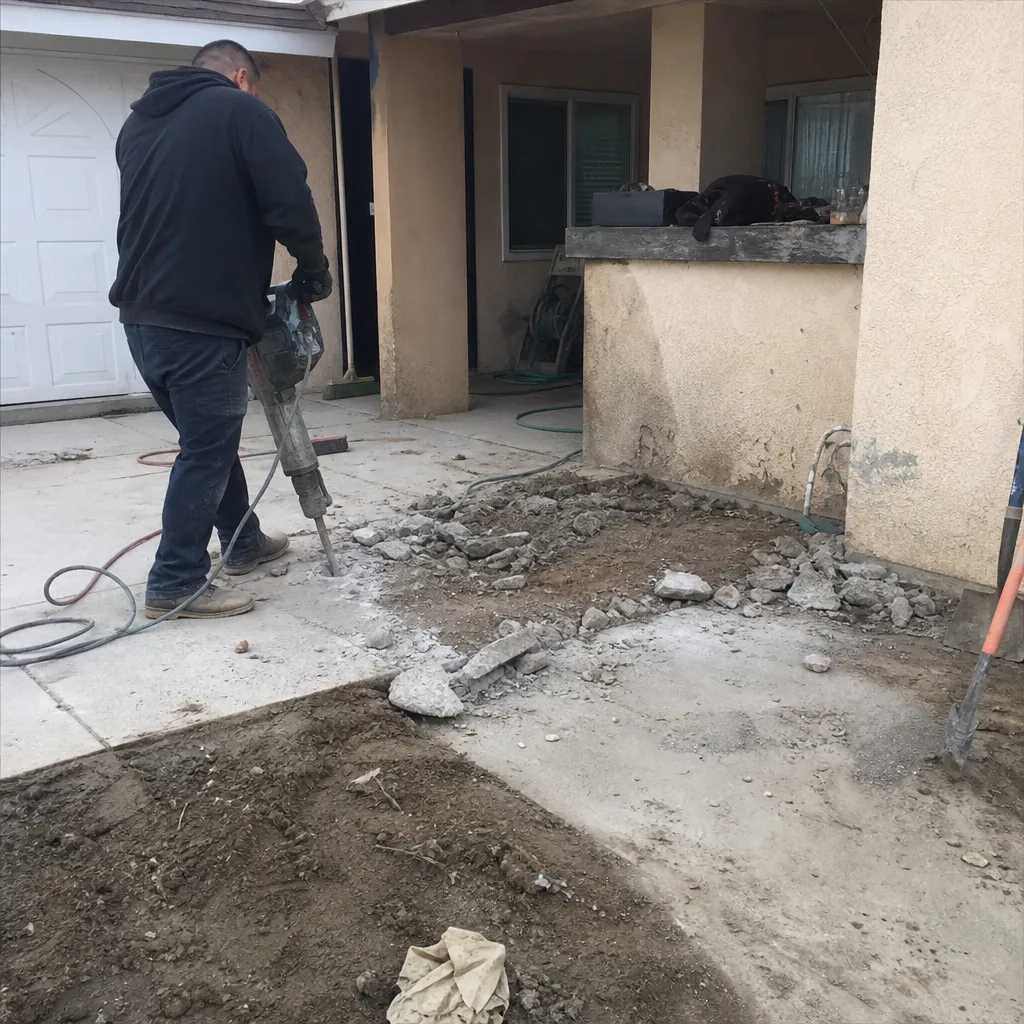 Before
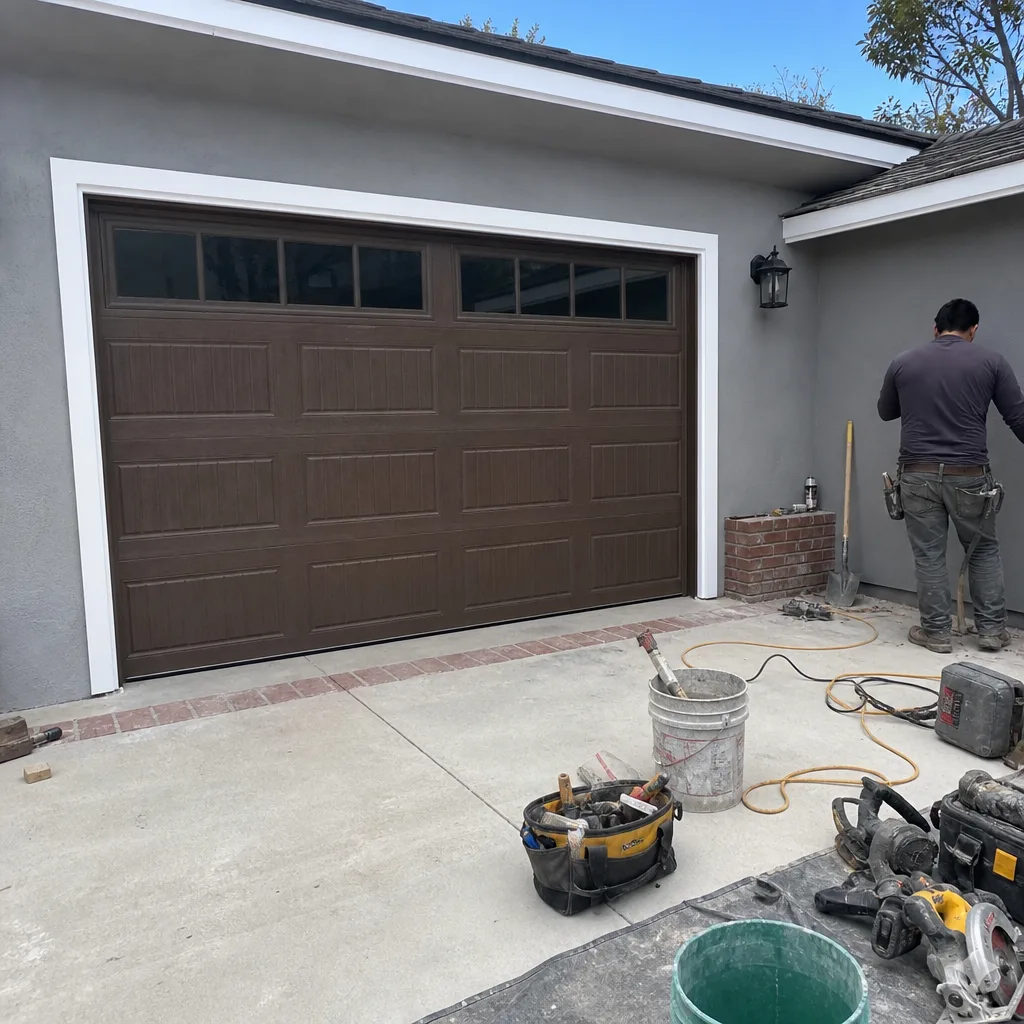 After
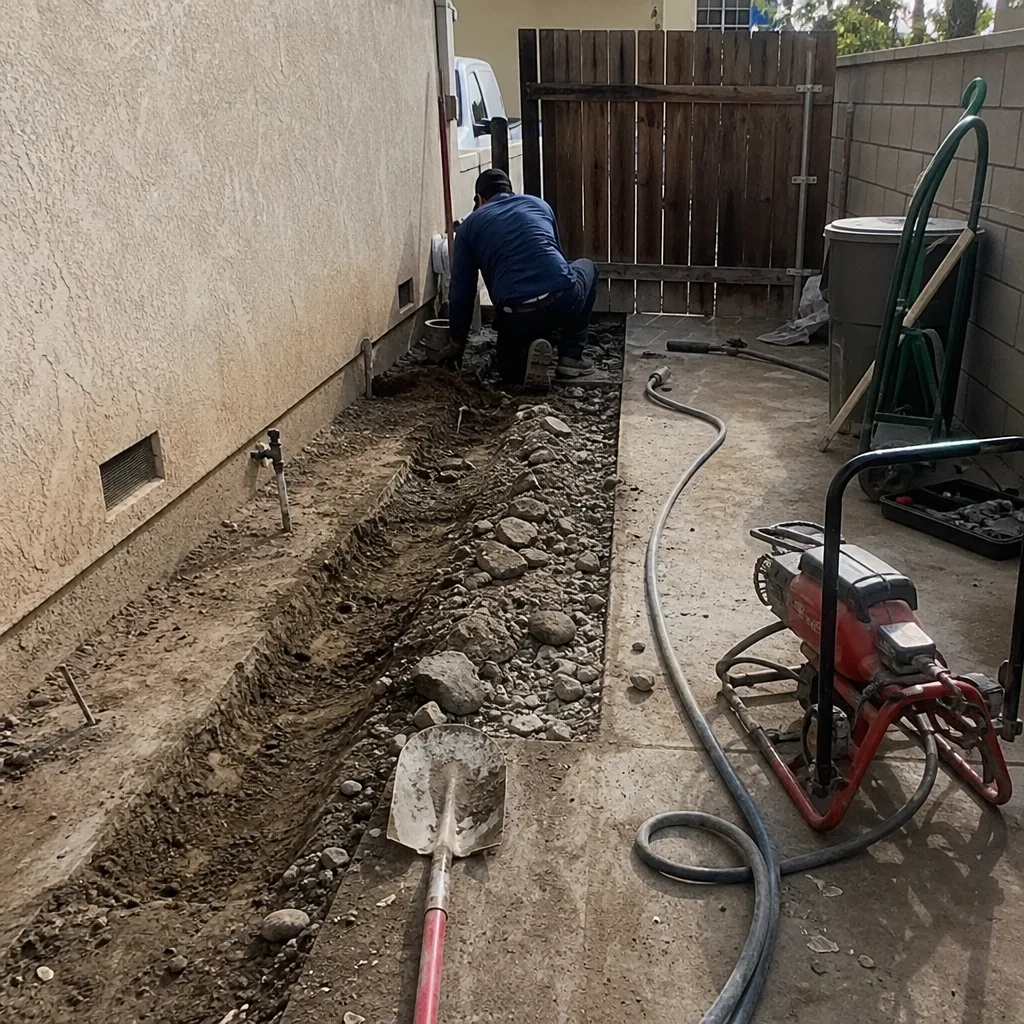 Before
 After
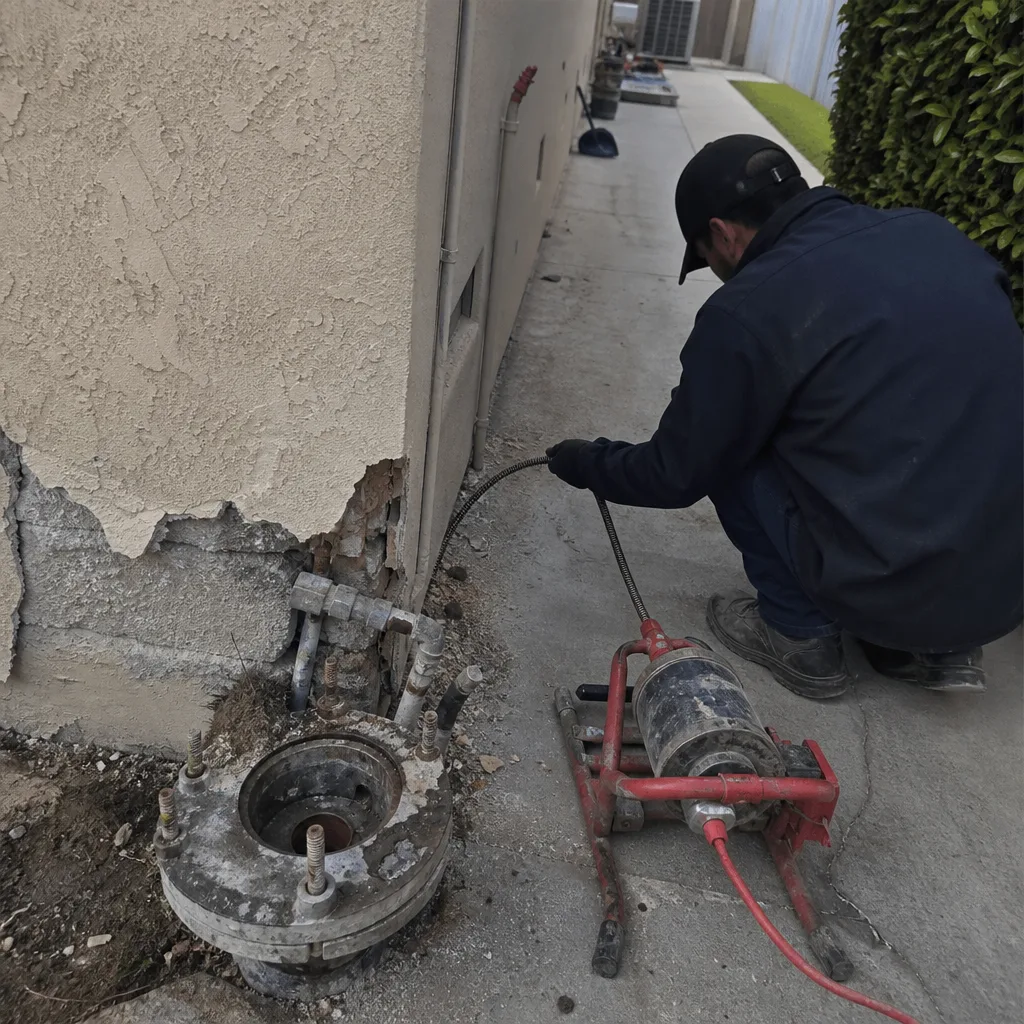 Before
 After
Table of Contents
- Problem 1: Your GC Stopped Paying Subcontractors (And a Lien Is Coming)
- Problem 2: Change-Order Creep Is Eating Your Budget
- Problem 3: The “Substantial Completion” Standoff
- Problem 4: Material Substitution Without Your Consent
- Problem 5: Communication Breakdown and the Escalation Ladder
- Problem 6: The Schedule That Keeps Slipping
- Problem 7: Permits Pulled Late or Not at All
- Problem 8: Subcontractor Work Doesn’t Match the Showroom
- Common Mistakes to Avoid
- When to Call a Professional
Problem 1: Your GC Stopped Paying Subcontractors (And a Lien Is Coming)
This is the problem that breaks projects and ruins titles. Here is the scenario we see in Rialto repeatedly: the homeowner pays the general contractor on schedule, the GC pays some subs but not others, and a framing crew or electrician files a mechanic’s lien against the property. You now owe twice for the same work, and you might not find out until you try to refinance or sell. The lien attaches to your title, not to the contractor who stiffed the sub.
The fix lives upstream. Every subcontractor on a California project has the right to serve you a Preliminary Notice, commonly called a 20-Day Notice, within 20 days of first providing labor or materials. That notice is not a lien. It is a warning flare: this sub exists, we are on your job, here is our license and contact information. Smart homeowners keep a running log of every single preliminary notice they receive. At Alder Contractors, our payment process ties every draw to a corresponding conditional lien release from each sub who worked during that billing period. Before we collect a check from you, our subs sign releases. Before we cut a check to them, they sign unconditional releases for the amount paid. That chain of documentation means no surprise liens, ever.
If you are already mid-project and worried, do this in order:
- Pull every preliminary notice you have received and build a simple spreadsheet: sub name, trade, date of notice, amount (if listed), and contact.
- On your next draw request, instruct your GC in writing: no payment will be released without conditional lien waivers from every sub on your list covering that draw amount.
- Ask each sub directly, by email, to confirm their account is current. Subcontractors will tell you. They have no reason to hide being unpaid.
- If a sub reports nonpayment, withhold the next draw in writing, state the reason, and demand the GC cure it within five business days per your contract’s payment terms.
- Contact a construction attorney before the lien deadline passes. In California, a mechanic’s lien must be recorded within 90 days of the last work performed or materials supplied. Missing that window doesn’t necessarily kill the claim, but acting before it expires gives you leverage.
The single best prevention is hiring a general contractor who treats lien releases as a non-negotiable part of the payment process, not a favor they do when asked. More on that in home remodeling in Bloomington, where the same principles apply across every market we serve. The paperwork is not bureaucracy. It is the only thing protecting your title.
Problem 2: Change-Order Creep Is Eating Your Budget
Change orders are a normal part of construction. Hidden conditions get uncovered, clients change their minds, and materials get discontinued. But there is a specific pattern that signals trouble: the original bid was suspiciously low, and the change orders start arriving in month two, each one for work that feels like it should have been included from the start. A contractor who underbids to win the job has to make up the difference somewhere, and the change order is the most common vehicle.
Here is how to tell the difference between a legitimate scope addition and bid-patching. A legitimate change order adds something new: you decided to upgrade from a standard tub to a freestanding soaking tub, or you added a pot filler above the range, or you expanded the patio by 80 square feet. Legitimate change orders are additive. They describe work that did not exist in the original scope, with a clear line-item cost for labor and materials.
A bid-patching change order is corrective. It fills something the original scope should have covered: “rough-in allowance exceeded,” “additional framing required due to existing conditions,” “electrical upgrades needed to meet current code.” Those are not your changes. Those are the GC’s estimate falling short, and you are being asked to absorb the miscalculation. In Rialto, where many homes were built before current electrical and plumbing codes, a contractor who has worked the local market knows to inspect the panel, the drainage, and the framing before bidding. If your GC is surprised by a 1970s electrical panel after demo, that is a scoping failure, not a legitimate discovery.
The fix: require every change order in writing with three components before any work proceeds.
- Scope description: exactly what work is being added, changed, or removed.
- Cost breakdown: materials, labor, and any impact on the schedule, itemized.
- Your signature: no signed change order, no work. If the contractor starts work without a signed change order, they own that cost.
Also, establish a change-order threshold at contract signing. Any single change over 5% of the total contract value requires a written quote and a 48-hour review window before work proceeds. Any single change over 10% requires you to pause the project and re-baseline the budget. This is not distrust. It is how professionals manage scope. For more on how we set budget expectations before a project ever starts, see general contractor in Bloomington.
Problem 3: The “Substantial Completion” Standoff
Substantial completion is a legal term of art, and it is where projects go to die an administrative death. It means the work is sufficiently complete that the owner can use the space for its intended purpose, even if minor items remain. The dispute starts when the contractor declares substantial completion, issues a final invoice, and you look around and see a missing outlet cover, a cabinet door that doesn’t close square, caulk gaps, and a section of baseboard that looks like it was cut by hand in a hurry. The contractor says those are punch-list items and they will get to them after final payment. You say no payment until the punch list is done. Everyone stops talking.
The fix is not litigation. It is a defined punch-list process, written into the contract before the first nail is driven. Here is the process we use and recommend:
- Joint walkthrough before final payment is requested. Both parties walk the entire project with a printed floor plan. Every issue goes on the list with a specific location and description. “Fix baseboard in hallway” is useless. “Hallway baseboard, east wall, 4-foot section, visible gap to drywall” is usable.
- Categorize by severity. Items that affect function or safety (a toilet that rocks, a door that won’t latch, an outlet with no power) go on the critical list. Cosmetic items (paint touch-up, caulk lines, trim alignment) go on the cosmetic list.
- Set a correction deadline. The contract should state that critical items must be corrected within 7 days of the walkthrough, cosmetic items within 14 days. Put it in writing.
- Define the holdback. The contract should also specify that the final draw, typically 5% to 10% of the total contract value, is not released until every item on both lists is corrected and re-inspected.
- Second walkthrough. After corrections, both parties re-walk the list. Items are either closed or remain open with a new deadline. Do not accept “we’ll get to it after you move in.” That is how punch lists die.
If the contractor refuses a joint walkthrough or demands final payment before corrections, that is a red flag for how the rest of the relationship will go. In our experience across Rialto renovations, the contractors with nothing to hide welcome the walkthrough. They want the list closed as much as you do, because a closed list means a released holdback and no lingering phone calls.
Problem 4: Material Substitution Without Your Consent
Not all substitutions are equal. Some are visible and obvious: a different brand of faucet, a tile that is close but not exact, a cabinet finish that is a shade off. You’ll catch those immediately. The dangerous substitutions are the ones hidden inside walls, under roofs, and beneath floors, where you’ll never see them unless the project is opened up again. Three categories are substituted more often than any others:
- Roofing underlayment: the specified synthetic underlayment gets swapped for a cheaper felt, or the brand changes without approval. Once the roofing system is installed, you can’t see the underlayment. The performance difference shows up ten years later in the form of leaks.
- Framing lumber grade: the contract says #1 Douglas fir, the truck delivers #2 or lower. Most homeowners can’t read a lumber grade stamp, and even if they can, they don’t know where to look. Grading affects span capacity and structural performance.
- Insulation R-value: this is the most common silent swap in residential construction. The contract specifies R-21 for walls, the installer puts in R-13. The drywall goes up, and you will not know until your first summer energy bill in the Rialto heat tells you something is wrong.
The fix is a material verification routine that takes ten minutes per phase. Before any material gets covered up, walk the job with your GC or their site supervisor. Check the delivered product against the spec sheet. Read the labels. Take photos. If you don’t know what R-21 insulation looks like, ask to see the bag. If the framing lumber arrives and the grade stamp doesn’t match the contract, refuse acceptance in writing before installation. You are not being difficult. You are enforcing the contract you both signed.
At Alder Contractors home, our material sourcing runs through formal channels with 50+ recognized brand partners, so substitutions are rare because the supply chain is established before the bid is finalized. We know what the materials cost and what is actually available, which means the spec in the contract is the spec that gets delivered.
Problem 5: Communication Breakdown and the Escalation Ladder
Communication failures follow a pattern. They rarely start with a shouting match. They start with missed RFI responses (requests for information that go unanswered for days), then delayed submittals (samples and shop drawings that arrive late), then vague schedule updates (“we’ll be there this week” repeated for three weeks straight), and finally radio silence. By the time you are angry enough to post a review, the project has already been drifting for a month.
The fix is to treat communication as a contractual obligation, not a personality trait. Your contract should specify: RFI responses within 48 hours, submittal turnaround within 7 days, a written schedule update every Friday, and a named point of contact. Not “the office.” A named person with a phone number and an email address.
When communication breaks down anyway, use the escalation ladder in order:
- The written recap. Send an email: “Here is what was agreed, here is what has happened, here is what I need by Friday.” This creates a record and gives the contractor a clean opportunity to respond.
- The scheduled meeting. Request a 30-minute call or site visit with a specific agenda. Not “we need to talk.” Instead: “Three items to resolve: the window order status, the kitchen cabinet submittal, and the trench drain detail.”
- The formal letter. If the meeting does not resolve the issues, send a letter that references the contract, lists the breaches, and states the remedy required by a specific date. This is the step that makes attorneys unnecessary in most cases because it signals you are documenting everything.
- The contract’s dispute clause. Most well-written construction contracts include a mediation or arbitration clause. Invoke it. This is not failure. It is the process working as designed.
- Construction counsel. If the breach includes nonpayment of subs, unresolved liens, or abandonment of the project, stop communicating with the GC directly and let an attorney handle it.
Escalate early and in writing. The homeowners who wait, call repeatedly, and never document anything are the ones who end up in the worst positions with the fewest options.
Problem 6: The Schedule That Keeps Slipping
Every renovation schedule has some flex. Materials get delayed, inspections get booked weeks out, and trade availability fluctuates. But there is a difference between a schedule that flexes and a schedule that is fictional. A real schedule has dependencies and a critical path. A fictional schedule is a list of weeks with vague trade names and no logic tying them together.
In Rialto, the biggest external schedule variable is the city’s inspection department and utility coordination, not the contractor’s work ethic. A good general contractor knows this and builds it into the timeline. They know that a full kitchen remodel in Rialto, from demo to final, typically runs 8 to 14 weeks depending on the scope, and they communicate that range up front with the specific drivers: cabinet lead times, countertop templating, appliance delivery, and inspection scheduling.
The fix for schedule slippage is the look-ahead schedule. Every Friday, your GC should provide a two-week look-ahead: what trades will be on site, what materials are expected to arrive, and what decisions are needed from you. You cannot hold a contractor to a detailed schedule they never gave you. You can hold them to a two-week look-ahead they committed to every week.
If the project is already slipping, ask three questions: What is the current realistic completion date? What two or three items are driving the delay? What is being done this week to recover time? If the answers are vague, escalate to the communication ladder above. If the answers are specific and the contractor is candid about a delayed roof package or a late window delivery, that is a normal project conversation, not a red flag.
The deeper fix is how the contract defines time. A good contract sets milestones tied to payments, not a single vague completion date. Demo complete, rough-in complete, drywall hung, fixtures installed, trim done. Each milestone is a payment trigger and a schedule checkpoint. That structure makes slippage visible early, when it can still be corrected, instead of at the end when it has compounded.
Problem 7: Permits Pulled Late or Not at All
In California, performing significant construction without the required permits is not a technicality. It can void your homeowner’s insurance coverage, complicate a future sale, and require demolition of unpermitted work if the city discovers it. In Rialto, permits are required for structural changes, most electrical and plumbing work, window and door replacement when openings change, roofing when the deck is exposed, and any ADU or prefab unit installation. The city enforces its code.
Some contractors will offer to do the work without permits to save time and money. Do not take that offer. The savings are borrowed against the future value of your home, and you are the one who carries the risk, not the contractor. The contractor can disappear. The unpermitted addition stays attached to your property.
The fix is simple: the permit is pulled before work starts, the permit number is written in the contract, and a copy of the permit card is posted on site. If a contractor suggests pulling permits mid-project or skipping them for speed, end the conversation. A legitimate general contractor in Rialto knows the permit process, knows the inspectors, and builds review time into the schedule. For larger projects like home renovation in Bloomington or a full exterior overhaul, permits are not negotiable, and inspections are opportunities to verify the work, not obstacles to avoid.
Problem 8: Subcontractor Work Doesn’t Match the Showroom
The countertop in the showroom looked like a single slab of seamless stone. The countertop in your kitchen has a seam running through it at eye level. The tile in the sample room had clean lines. The tile in your shower has lippage you can feel with your fingers. This is the gap between material specification and installation quality, and it is where most dissatisfaction lives after a project is “complete.”
The cause is rarely the material. It is almost always the coordination. A general contractor who treats trades as interchangeable labor gets mismatched quality. The countertop fabricator was the cheapest bid, not the best with bookmatched slabs. The tile installer was available that week, not the one who does leveling-clip installations on large-format tile. The finish carpenter was fast, not precise.
The fix is to specify installation standards in the contract, not just material brands. For countertops, specify seam location and tolerance. For tile, specify that large-format tile must be installed with a leveling system and that lippage above a specific tolerance (typically 1/32 inch for large-format) requires correction at the installer’s cost. For drywall, specify a level 4 finish. For paint, specify the number of coats and the sheen. These are not optional details. They are the difference between a showroom result and a “good enough” result.
At Alder Contractors, we source materials through brand partners like Cambria for quartz, Kohler and Grohe for fixtures, and certain brands for exterior work like fencing from Master Halco or Jerith, where installation quality is baked into the product’s performance. The brand relationship matters because manufacturers stand behind their products only when they are installed to spec, and a contractor who has built a relationship with the manufacturer knows the spec. For exterior projects, the same logic applies to fencing systems from Jerith and Ameristar, where panel alignment and post depth are engineering requirements, not aesthetic preferences.
Common Mistakes to Avoid
- Paying too much upfront. A contractor asking for more than 10% to 15% before work begins is signaling cash-flow problems. In California, the maximum legal down payment is 10% or $1,000, whichever is less, for home improvement contracts. Paying more up front is both illegal and a warning sign.
- Accepting a handshake in place of a change order. If a change is not in writing, the cost and the scope are both negotiable later, when you have less leverage. No written change order, no work.
- Signing a contract with no dispute clause. Without a defined escalation and mediation path, every disagreement becomes a legal threat. You want the contract to specify how conflicts get resolved before they happen.
- Hiring based on price alone. The lowest bid is often the one with the most unresolved scope. Compare bids line by line, not headline number to headline number.
- Ignoring preliminary notices. Those 20-Day Notices are not spam. They are your lien-protection system. Log every one and verify payment before you release the next draw.
- Skipping the final walkthrough documentation. If it isn’t on the punch list with a photo and a specific description, it doesn’t exist. A verbal list dies in the phone call.
- Using a patchwork of subcontractors without a single accountable GC. When the tile installer blames the plumber and the plumber blames the electrician, you are the only one left holding the problem. One contractor, every phase, with one written contract and one name on the permit.
When to Call a Professional
Some problems are checklists and some are structural, and the dividing line is usually about liability. If a mechanic’s lien has been filed against your property, call a construction attorney the same day. If the project has been abandoned and the site is left open to weather or intruders, call a licensed contractor immediately to secure the property and reassess scope. If you are planning a kitchen remodel, full home renovation, exterior replacement, hardscaping, or an ADU in Rialto, call a professional before you start, not after. The consultation should cover your budget, your material expectations, the permit path, and the payment schedule. Alder Contractors offers free estimates in Rialto, call (833) 467-7020. The conversation before the contract is the one that prevents every problem in this guide.
Frequently Asked Questions
Most mid-to-large-scale renovation projects in Rialto, including kitchens, primary bathrooms, and whole-home interior updates, generally run from the mid-five figures into the six figures depending on scope, material selections, and structural work. A full kitchen remodel in Rialto typically lands between $60,000 and $120,000 when it includes cabinet replacement, countertops, appliance rough-in, and fixtures. The exact number depends on your material choices and whether you are doing structural changes, but you should expect a detailed written quote, not a ballpark. Call (833) 467-7020 for a free, itemized estimate.
The biggest sign is a cluster of change orders arriving in the first month that correct the original scope rather than add to it: rough-in allowances exceeded, framing surprises, code upgrades the estimate missed. A contractor who has built in your area before should know what a Rialto home from the 1970s or 1980s holds behind the drywall. If they are surprised, the bid was not based on your house.
Yes, but you inherit the project’s legal and financial obligations the moment the contractor leaves, including any unpaid subcontractors who may file liens against your title. Before you terminate, get lien releases from every sub for all work completed to date, secure the site, photograph everything, and consult a construction attorney. Firing a GC is not the end of a problem. It is the beginning of a new set of problems unless the paper trail is clean.
Most kitchen remodels that involve electrical, plumbing, or structural changes require permits in Rialto. A simple cabinet replacement and countertop swap might not, but the moment you move a sink, add an outlet, remove a wall, or change a window opening, the permit is not optional. Unpermitted work can void your insurance and complicate a future sale.
Ask for a conditional lien release from every subcontractor listed on the preliminary notices you have received before you release each draw. Then, before the next draw, ask for unconditional releases confirming the prior payment cleared. A contractor with nothing to hide will have this paperwork ready. A contractor who resists is telling you something.
At minimum: a detailed scope of work with specific material brands and specs, a payment schedule tied to milestones and lien releases, a change-order protocol with written approval required, a named point of contact, a defined punch-list and substantial completion process, a dispute resolution clause, and the permit number when applicable. If any of those elements is missing, do not sign until it is added. Call (833) 467-7020 and we will help you understand what a complete contract looks like.
The Bottom Line
General contractor problems are almost never about a bad person doing bad work. They are about unresolved decisions, undocumented changes, and payment processes that skip the lien-release step. The homeowners who avoid the worst outcomes are the ones who treat the contract as a living document, verify payments to subs, document every change, and escalate communication problems early and in writing. The best defense is hiring a single-source contractor who runs their own payment, material, and scheduling process with discipline. Alder Contractors operates that way across every project we take on, from kitchen remodels to full exterior replacements to ADU installations in Rialto. One contractor, every phase, with the paper trail to prove it. Call (833) 467-7020 to schedule your free estimate, and start your project with a contract that prevents problems instead of reacting to them.
Written by the team at Alder Contractors, serving Rialto since 2013. Browse more guides & resources on protecting your renovation.