
Last updated October 31, 2026
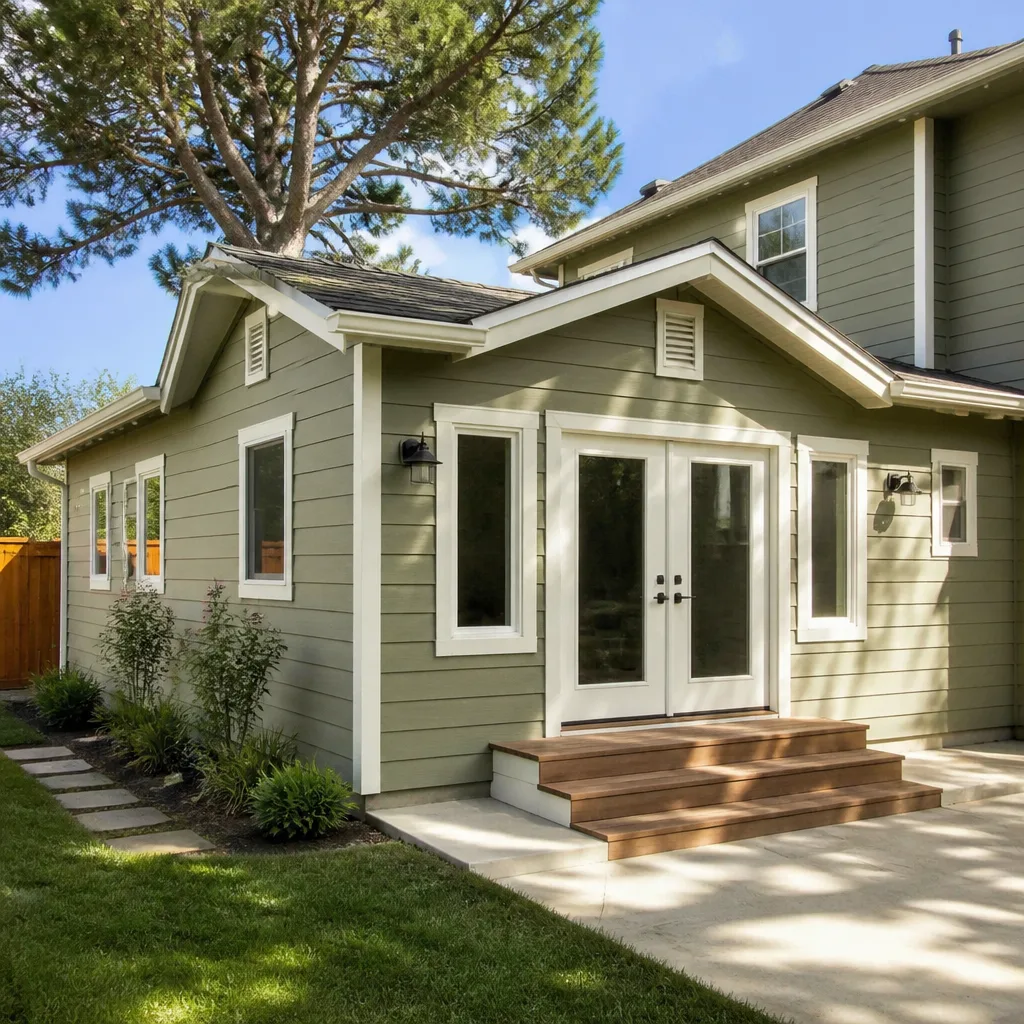 Home additions & ADU
 Kitchen remodeling
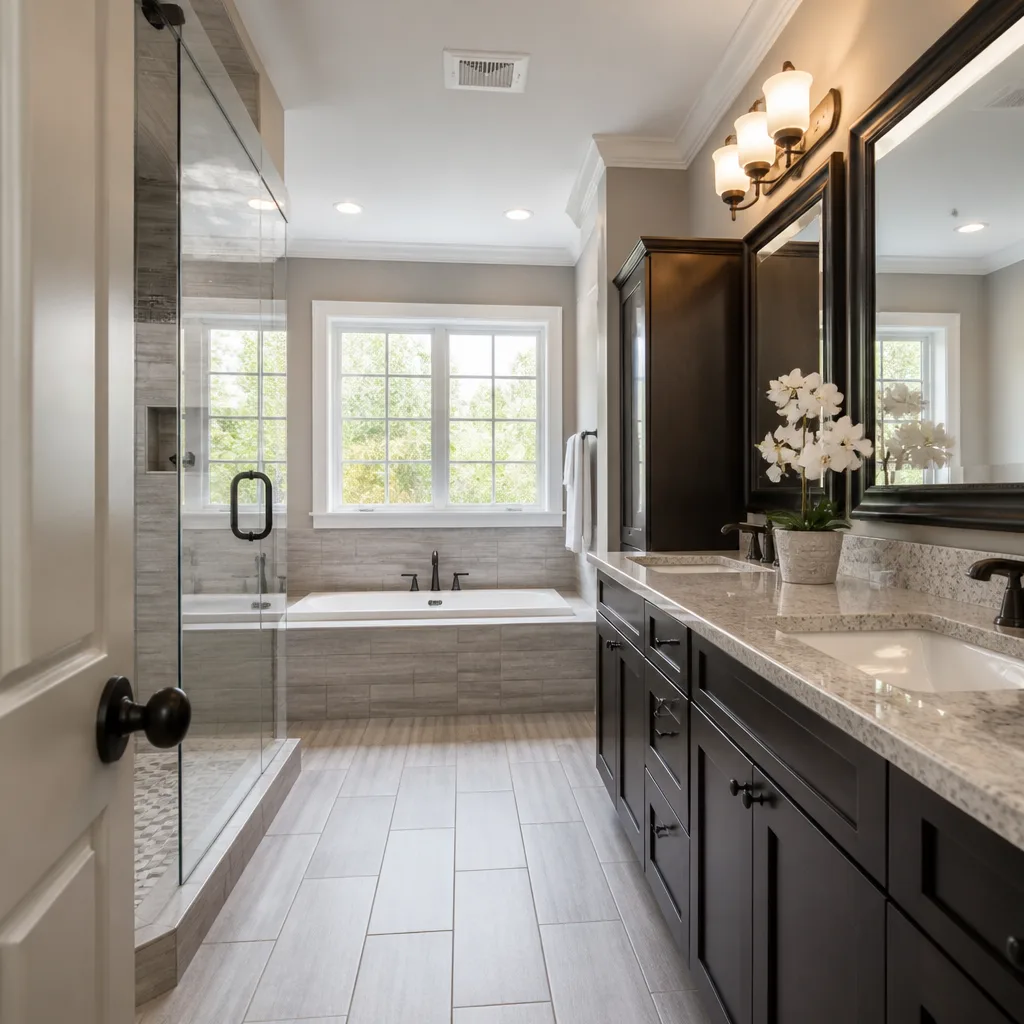 Bathroom remodeling
 Roofing
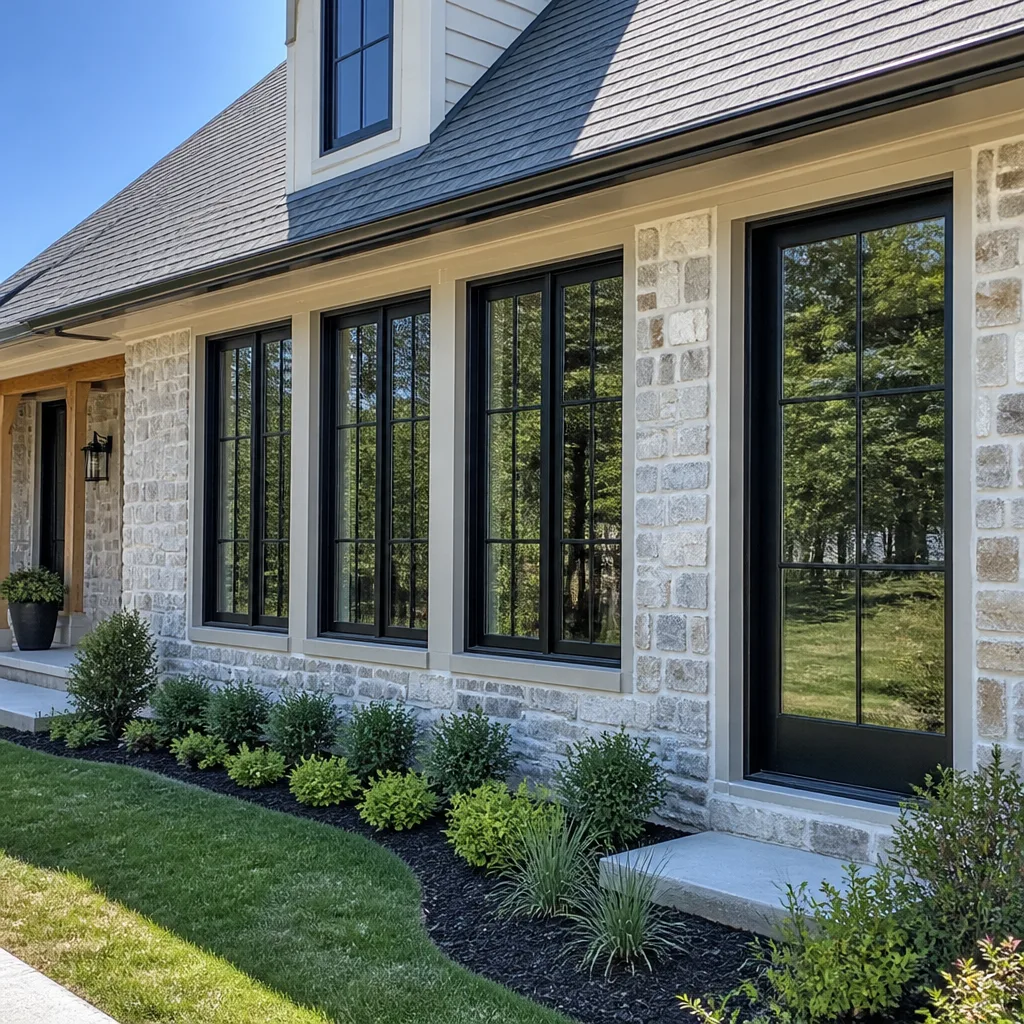 Windows & doors
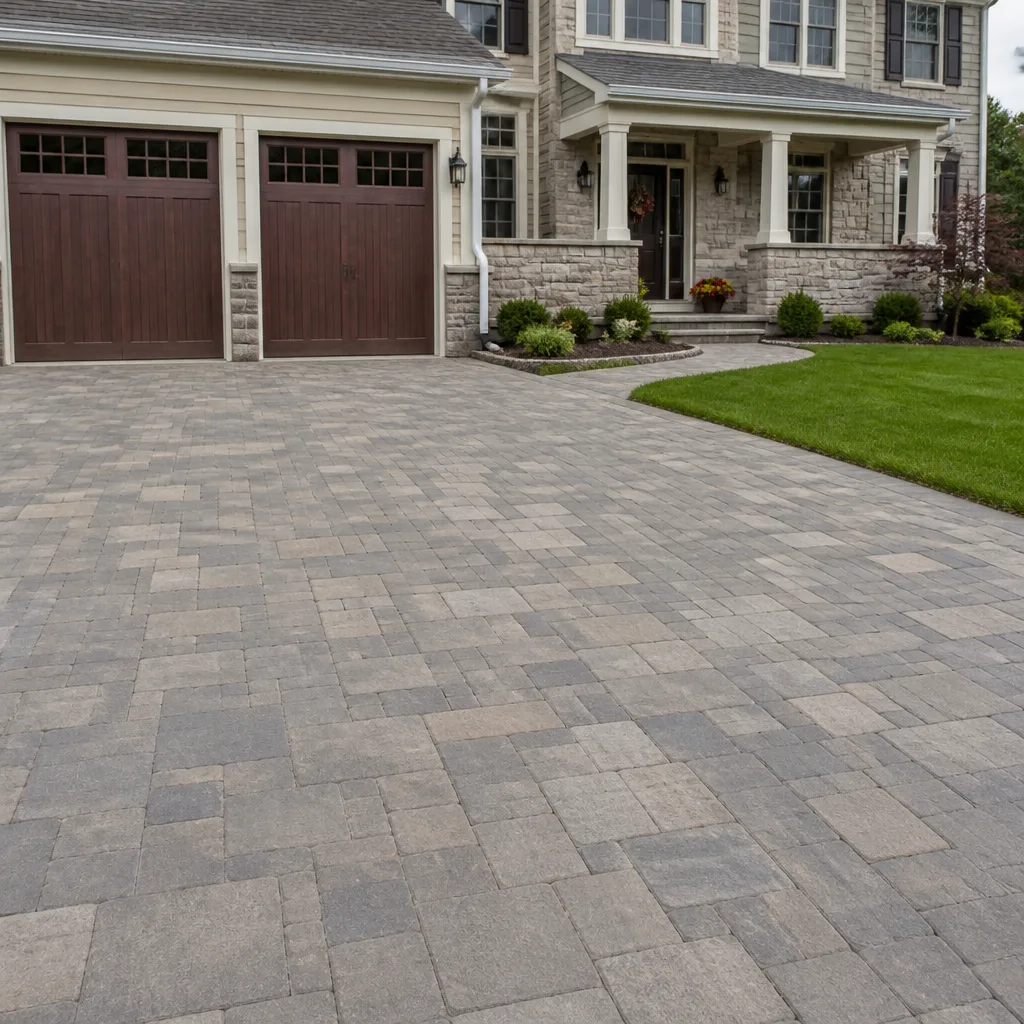 Driveway & pavers
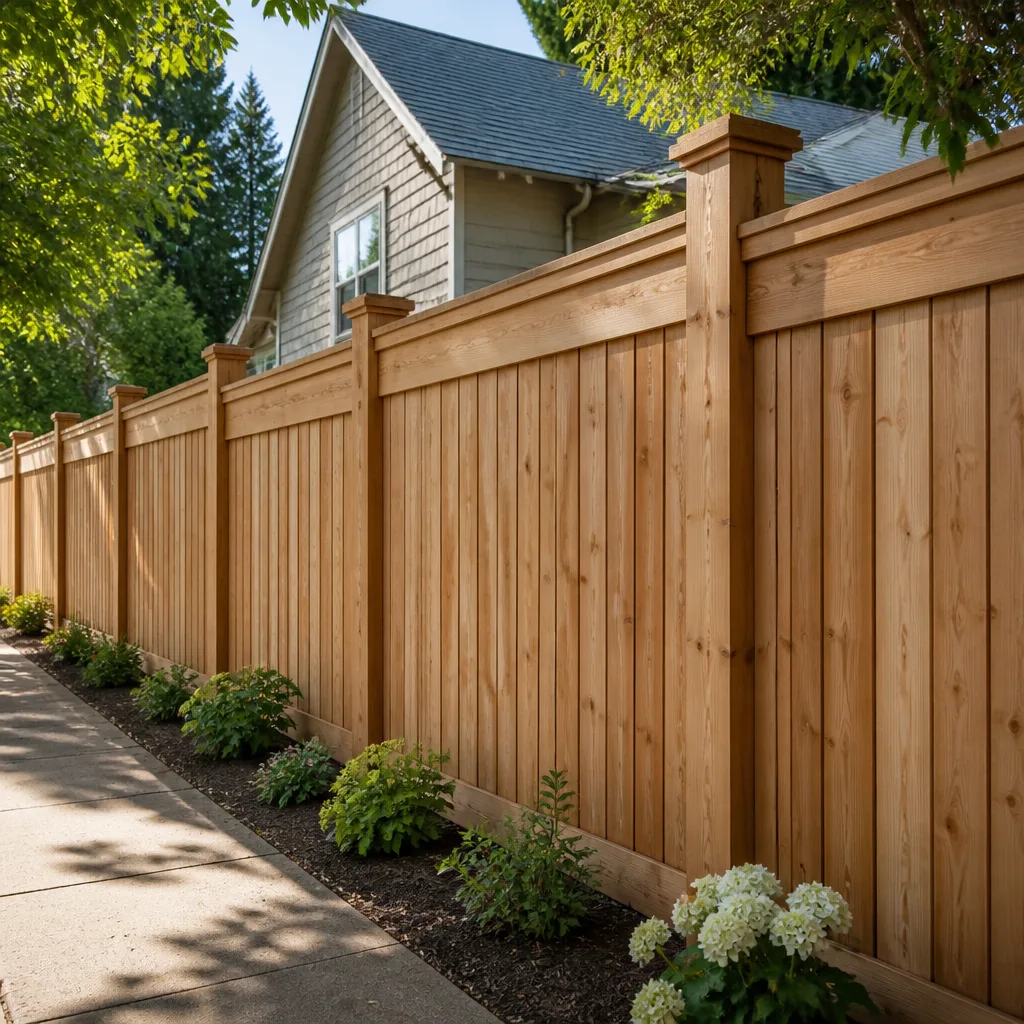 Fence
Free written scope consultation - allowances, timeline, and change-order rules on paper before a single trade is scheduled
Construction Emergency Preparedness Guide for Rialto Homes
FEMA rates San Bernardino County as having moderate-to-high seismic risk, wildfire-urban-interface exposure along its northern edges, and flash-flood vulnerability in low-lying areas near the Santa Ana River. Rialto sits at the exact point where all three overlap, yet most homeowners here have never had a structural assessment done for any single risk, let alone the combination. This guide moves past the standard emergency kit checklist and into the construction-level upgrades, inspection checkpoints, and material decisions that determine whether a Rialto home actually survives a regional event. By the end, you’ll know exactly where your house is most vulnerable and which fixes deliver the highest return per dollar spent.
Quick Answer
Construction-level emergency preparedness for Rialto homes means addressing three specific structural risks: seismic bracing for pre-1980 framing, ember-resistant exterior materials for wildfire-adjacent zones, and drainage-grade modifications for flash-flood exposure. The highest-ROI improvements for most Rialto houses are cripple wall bracing, anchor bolt verification, water heater strapping, and crawl space vent upgrades, all of which cost far less than post-disaster reconstruction. A licensed general contractor can assess all three risk categories in a single visit and prioritize fixes by your home’s specific parcel elevation, age, and proximity to open land; see our Construction Permits, Codes & Inspections in CA: What You Need to Know for what to expect.
Styles & brands we work with
Table of Contents
- Seismic Retrofits for Rialto’s Pre-1980 Housing Stock
- Wildfire-Adjacent Prep for Rialto’s Northern Edges
- Flash-Flood Construction Response for Lower-Elevation Parcels
- Gas and Water Shutoff Accessibility Upgrades
- Post-Emergency Structural Triage: What to Assess Yourself vs. What Needs a Pro
- Material Choices That Double as Emergency Insurance
- Cosmetic Emergency Options for Safer Interiors
- Common Mistakes to Avoid
- When to Call a Professional
- Frequently Asked Questions
Seismic Retrofits for Rialto’s Pre-1980 Housing Stock
Rialto has thousands of homes built between 1950 and 1980, and the framing methods from that era share a common weakness: the connection between the wooden frame and the concrete foundation was often little more than gravity and hope. In a moderate earthquake, the house can slide off its foundation, and the repair bill starts around $40,000. The good news is that three specific retrofits address roughly 80% of the risk for under $6,000 in most Rialto homes. We’ve seen houses in older Rialto neighborhoods where the only thing holding the structure to the slab was a few rusted bolts spaced too far apart to matter.
Here are the seismic upgrades that deliver the most protection per dollar:
- Cripple wall bracing: If your home has a crawl space with short walls between the foundation and the first floor, those cripple walls need plywood shear panels installed to prevent racking during lateral movement. Without bracing, the house can collapse sideways off its support.
- Anchor bolt assessment: Many pre-1980 homes in Rialto have either missing, undersized, or improperly spaced anchor bolts. The standard calls for 5/8-inch bolts spaced no more than 6 feet apart along the sill plate. We regularly find homes with 1/2-inch bolts at 8-foot spacing, which is a known failure point.
- Water heater strapping: An unsecured water heater becomes a 500-pound projectile during shaking, and the gas line rupture that follows is a leading cause of post-earthquake fires. Double-strapping with heavy-gauge metal straps, top and bottom, is a $150 fix that prevents a $15,000 problem.
For homes built after 1980, most of these issues were addressed by updated building codes, but water heater strapping is still worth checking regardless of age. We’ve seen recently built homes where the strapping was installed incorrectly or removed during a later remodel.
Wildfire-Adjacent Prep for Rialto’s Northern Edges
The homes along Rialto’s northern boundary, where residential streets push up against the foothills, face a wildfire risk that most residents underestimate. The biggest threat isn’t a wall of flame reaching your house. It’s embers. In the catastrophic wildfires that have hit Southern California over the last decade, the majority of homes that burned were ignited by wind-driven embers landing on or inside the structure, sometimes hours before or after the main fire front passed. That changes what “preparedness” means at the construction level.
Three structural upgrades matter most for ember resistance:
- Ember-resistant venting: Attic vents, crawl space vents, and gable vents with standard 1/4-inch mesh screening let embers pass through. The current standard is ICC 315-rated vents, which use a finer mesh that embers can’t penetrate. We’ve specified these on Rialto exterior renovations and the cost difference is negligible when it’s already time to replace venting.
- Class-A roofing material verification: If your roof needs replacement, the decision between a Class-A and Class-C assembly matters. Class-A materials include certain asphalt shingle systems, metal roofing, and flat tile with proper underlayment. Brands like GAF and Owens Corning make Class-A rated asphalt shingles that serve double duty: they clear the wildfire ignition threshold and hold up to San Bernardino County’s intense summer heat without premature granule loss.
- Defensible space grading for hardscape: The 0-to-5-foot zone around your home should have zero combustible material. In Rialto’s northern neighborhoods, that means replacing wood-chip landscaping beds with properly graded hardscape, compacted gravel, or pavers from brands like Belgard. The grading matters as much as the material: water should sheet away from the structure, not pool against the foundation wall.
If you’re planning an exterior renovation anyway, these upgrades ride along at minimal marginal cost. A home remodeling project in Bloomington often includes siding and roofing replacement, which is the ideal moment to bring the entire exterior envelope up to ember-resistant standards rather than doing it piecemeal later.
Flash-Flood Construction Response for Lower-Elevation Parcels
Rialto’s lower-elevation parcels, particularly those near the Santa Ana River corridor and the older neighborhoods south of the 210, sit in a flash-flood zone that most property disclosures don’t emphasize. When heavy rain hits the San Gabriel Mountains, water moves fast through the wash system, and the difference between a dry home and water intrusion often comes down to three construction details that have nothing to do with sandbags.
Door threshold height: Measure from the ground to the top of your exterior door thresholds. The International Residential Code calls for a minimum 4-inch rise from grade to the top of the threshold in flood-prone areas, but many older Rialto homes sit at 2 inches or less. In a flash event, that 2-inch difference is the line between wet carpet and standing water in your living room. Raising the threshold or installing a storm door with a raised sill is a targeted, effective fix.
Drainage swale grading: Walk your property during the next heavy rain and watch where water flows. If it pools against the foundation, you need to re-grade the soil to slope away at roughly 1 inch per foot for at least 6 feet. For many Rialto yards, this means adding soil near the foundation and establishing a shallow swale, essentially a wide, shallow ditch, that directs water toward the storm drain or the street. The soil work is straightforward, but it needs to be done before the rainy season, not during it.
Crawl space vent placement: Homes with crawl spaces are vulnerable to water entering through vents that sit too close to grade. When water pools around the foundation, it finds the lowest opening. Raising vent openings, sealing old vent locations with proper concrete patch work, and directing downspouts at least 5 feet from the foundation are the three most cost-effective flood mitigations we see in Rialto. None of these requires moving; each requires planning before water is already at the door.
Gas and Water Shutoff Accessibility Upgrades
Every adult in a Rialto household should be able to shut off the gas and water to the home in under 60 seconds without tools, without a ladder, and without prior training. In our experience with older Rialto homes, that’s true in fewer than half the houses we walk through. The shutoff valve is often buried behind landscaping, painted shut, or requires a special wrench that’s located somewhere no one remembers.
Here’s what to inspect and upgrade:
- Gas shutoff valve: The main gas valve is typically located near the gas meter, which for Rialto homes is usually on an exterior wall facing the street or side yard. The valve should turn a quarter-turn by hand. If it’s stuck, rusted, or blocked by shrubs, have it replaced or cleared. Install a labeled weatherproof tag that identifies the valve clearly.
- Automatic seismic gas shutoff valve: For Rialto homeowners who travel frequently or want automated protection, an automatic seismic gas shutoff valve installs upstream of the main valve and closes automatically during shaking above a set threshold. This isn’t a DIY item. A licensed plumber or general contractor coordinates the install and ensures the valve meets California Plumbing Code requirements.
- Water main shutoff: The main water shutoff is usually near the front of the home, often in the garage or in a ground-level box near the sidewalk. It should turn easily by hand. If it requires a tool, attach a permanent shutoff wrench to the wall next to it so anyone can close it in an emergency. Test it twice a year to keep it functional.
- Access clearance: Both shutoffs need a clear path. Remove plants, stored items, or debris within a 3-foot radius. If a gate or enclosure blocks access, reconfigure it so the shutoff is reachable from outside the structure.
We include shutoff accessibility in every home renovation in Bloomington and Rialto we scope, because it’s a $200 improvement that every household benefits from, and most contractors never mention it.
Post-Emergency Structural Triage: What to Assess Yourself vs. What Needs a Pro
After an earthquake, flood, or wind event, the instinct is to inspect everything immediately. But some damage is cosmetic and some is structural, and the difference isn’t always obvious from a visual walkthrough. Here’s how to separate what you can safely assess from what requires a licensed contractor or structural engineer before re-occupancy.
Safe to assess yourself:
- Cosmetic damage: Drywall cracks under 1/8 inch wide, hairline stucco cracking not accompanied by displacement, and nail pops are typically non-structural. Mark them and monitor for growth.
- Window integrity: Cracked glass but square, functional frames indicate replaceable damage. If the frame itself is twisted or the window no longer operates, that’s a frame issue, not a glass issue.
- Fence failure: Leaning or fallen fence panels are straightforward. Note the post condition: if posts snapped at the base, the fence likely wasn’t set deep enough, and the fix is a proper re-set, not a patch.
Requires a professional before re-occupancy:
- Foundation displacement: Any horizontal crack in the foundation wall, stair-step cracking in brick or block, or a visible gap between the sill plate and the foundation. These signal structural movement that may have compromised the connection.
- Roof sagging or truss separation: If you can see daylight through eave gaps that weren’t there before, or roof sheathing appears to have shifted, do not re-enter until a licensed contractor or engineer evaluates the load path.
- Chimney movement: Masonry chimneys are early failure points in earthquakes. If the chimney has separated from the house wall or shows diagonal cracking, it’s a structural hazard.
- Gas odor or hissing sound: Evacuate, do not flip switches, and call the utility from a safe distance. A structural inspection comes after the gas line is cleared.
The sequence matters: life-safety systems first, structural evaluation second, cosmetic repair third. We’ve worked with Rialto homeowners who spent thousands on repainting and patching before anyone noticed the foundation had shifted. Cosmetic repair on a compromised structure is money wasted.
Material Choices That Double as Emergency Insurance
When you’re planning a significant renovation in Rialto, the material selections you make can reduce your long-term disaster exposure without requiring a separate “emergency” line item; our DIY vs Professional Construction: The Rialto Homeowner’s Decision Guide can help you decide who should handle the work. The right roof, the right siding, and the right hardscape all pull double duty: they look better, last longer, and handle Rialto’s specific hazards better than builder-grade defaults.
Countertops that survive seismic movement: In an earthquake, the failure point isn’t usually the countertop itself, it’s the installation. A heavy stone slab that’s properly seated, mechanically fastened, and installed on cabinets that are themselves anchored to the wall will ride out most shaking. We install Cambria quartz and Silestone surfaces with additional mechanical fastening because the extra 20 minutes of install time prevents a slab from shifting during movement and cracking. Caesarstone offers similar performance characteristics, and we help Rialto homeowners choose based on finish and budget rather than praying the fabricator did it right.
Plumbing fixtures with shutoff redundancy: A burst pipe is the most common secondary disaster after an earthquake. Fixtures from our general contractor work in Bloomington and Rialto, including Kohler and Moen faucets, offer a specific advantage: accessible quarter-turn shutoff valves under the sink or behind the toilet, rather than a single shutoff at the street. That means after an event, you can isolate a single fixture leak without turning off water to the entire house, which keeps the rest of the household functional while you wait for a repair. We specify individual shutoff valves on every renovation because the marginal cost is under $100 and the convenience benefit is immediate, emergency or not.
Hardscape that manages water: Permeable pavers and properly graded patios from brands like Belgard don’t just look better than a cracked concrete slab. They slow water movement, allow infiltration, and resist the freeze-thaw damage that ruins flatwork after repeated wet seasons. In Rialto’s flash-flood-prone zones, a well-graded paver patio doubles as a drainage feature. In our experience, this is the hardest concept for homeowners to internalize: the patio isn’t just a patio. It’s part of the home’s water management system.
If you’re planning an exterior overhaul anyway, talk through the hazard-resistance side of your material choices. The Alder Contractors home team has a checklist for Rialto-specific conditions, and it doesn’t add cost to factor those conditions into decisions you’re already making.
Cosmetic Emergency Options for Safer Interiors
A full seismic retrofit or exterior envelope overhaul isn’t in every budget, and that’s fine. There are targeted cosmetic improvements that deliver measurable safety benefits for Rialto homeowners who need to phase the work over a few years. These aren’t substitutes for structural fixes; they’re what you do while you save for the big-ticket items.
Start with the water heater. Strapping it properly costs under $200 and takes a plumber less than an hour. If the water heater is in the garage or a utility closet, adding a second strap at the top third and bottom third is a project that fits into a single service visit. We tell Rialto homeowners this is the first thing to tackle because the risk-reward ratio is the best in the entire preparedness category.
Second, replace standard crawl space and attic vents with ICC 315-rated ember-resistant versions. On a standard Rialto home with 8 to 12 vents, materials run between $15 and $30 per vent, and installation is straightforward for anyone comfortable on a ladder. This is code-recommended but not code-required in most Rialto zones, so it’s the kind of upgrade you have to know to ask for.
Third, install and label shutoff accessibility signage. A $20 weatherproof card that says “Gas Shutoff” with an arrow, mounted at eye level near the valve, removes the panic factor when someone is trying to act fast. The same applies to the water main. Labeling is cheap, immediate, and it’s the kind of thing that makes the difference when you’re not the one doing the shutting off.
None of these require a permit in Rialto, though the seismic valve installation does require a licensed professional. You can knock out the first three items in a weekend and be meaningfully better prepared on Monday.
Common Mistakes to Avoid
- Assuming insurance covers everything: Most standard homeowner policies in Rialto cover fire, wind, and theft, but earthquake coverage is a separate policy, and flood coverage generally requires the National Flood Insurance Program. Read your declarations page before assuming you’re covered. The gap between what you think you have and what’s actually covered is often $50,000 or more.
- Focusing on the kit, ignoring the structure: Emergency supply kits matter, but a house full of bottled water doesn’t help if the water heater has torn the gas line out of the wall. The structural prep is the part most Rialto homeowners skip.
- DIY-ing the structural assessment: After an earthquake, adrenaline makes everything look fine. A professional eye catches the diagonal crack that means the foundation shifted, not just the drywall cracked. If you’re unsure, get a second opinion before re-occupying.
- Deferring drain maintenance: Rialto’s storm drains and wash system work, but only if they’re clear. Homeowners who never clean their drainage swales or downspout outlets are redirecting water toward their own foundation.
- Ignoring the 0-to-5-foot zone: Fire-resistant siding doesn’t matter if the wood pile is stacked against the house. The combustibles within 5 feet of the structure are an ignition source that no material upgrade can fix.
- Replacing the roof without checking underlayment: A new roof over old, ember-vulnerable underlayment still fails. The underlayment is part of the fire resistance assembly, and it needs to be specified correctly at the time of replacement.
- Using the wrong vent mesh: Standard hardware cloth with 1/4-inch openings is not ember-resistant. The ICC 315 standard uses a finer mesh. If you’re replacing vents, make sure the packaging says ICC 315 rated, not just “bug screen.”
When to Call a Professional
Some emergency prep work is a weekend DIY project. Some isn’t. If your home is pre-1980 and has never had a seismic assessment, call a licensed general contractor who understands Rialto’s specific code requirements and can evaluate the full picture: foundation, framing, gas, drainage, and exterior envelope in one visit. If you’re planning a remodel that touches any of these systems, that’s the ideal time to fold in emergency resilience without a separate mobilization cost. We also work with Rialto homeowners who have specific concerns after reading their insurance policy and realizing the coverage gap. Alder Contractors offers free estimates in Rialto. Call (833) 467-7020 to schedule an assessment of your home’s seismic, fire, and flood exposure.
Frequently Asked Questions
A basic seismic retrofit for a pre-1980 Rialto home, including cripple wall bracing, anchor bolt installation, and water heater strapping, typically runs between $4,000 and $8,000 depending on the crawl space size and the condition of the existing foundation connection. Permits add roughly $500 in Rialto, and the entire job is usually completed in two to four days. Call (833) 467-7020 for a specific quote on your home, free of charge.
Parts of Rialto, particularly lower-elevation parcels near the Santa Ana River corridor, fall within FEMA-designated flood hazard zones where federal flood insurance is recommended or required by mortgage lenders. Higher-elevation Rialto neighborhoods are less exposed, but flash flooding through the wash system can affect any parcel with poor drainage grading. Check FEMA’s flood map for your specific address.
Water heater strapping with proper double-strap placement is the highest-value emergency prep upgrade under $500 in Rialto. This addresses the leading cause of post-earthquake fires, and a plumber can complete the work in under an hour. The second-best under-$500 upgrade is replacing standard crawl space and attic vents with ICC 315-rated ember-resistant models.
Yes, most seismic retrofit work in Rialto requires a building permit because it involves structural changes to the foundation connection. The permit process is straightforward if you work with a licensed general contractor who handles the paperwork. Unpermitted retrofit work can complicate future sales and may not meet code requirements, so it’s not worth the short-term savings.
A visual inspection under the crawl space reveals whether anchor bolts exist, their size, and their spacing. The standard requires 5/8-inch bolts no more than 6 feet apart. If you’re seeing 1/2-inch bolts, gaps over 8 feet, or missing bolts entirely, the connection needs upgrading. This is part of the assessment we perform for Rialto homeowners, and it’s often the single most revealing five minutes of the entire inspection.
If the only visible damage is hairline drywall cracks and the foundation, roof, and gas lines show no signs of movement or leakage, most Rialto homes are safe to occupy. However, if you notice any diagonal cracking, separation between the chimney and the house, or a foundation gap, evacuate until a licensed contractor or structural engineer clears the structure. When in doubt, we review the home on-site and provide a plain-language assessment. Call (833) 467-7020.
The Bottom Line
Rialto’s position at the intersection of seismic, wildfire-adjacent, and flash-flood exposure means emergency preparedness isn’t a kit in a closet, it’s a construction strategy. The highest-ROI moves are unglamorous: anchor bolts, cripple wall bracing, water heater straps, ember-rated vents, drainage swales, and labeled shutoffs. Most cost less than a single insurance deductible and none require abandoning your aesthetic or budget goals. The key is doing them in the right order, with the right materials, before the event reveals what was always vulnerable. For more guides & resources, visit our blog.
Written by the team at Alder Contractors, serving Rialto since 2013.
See the difference
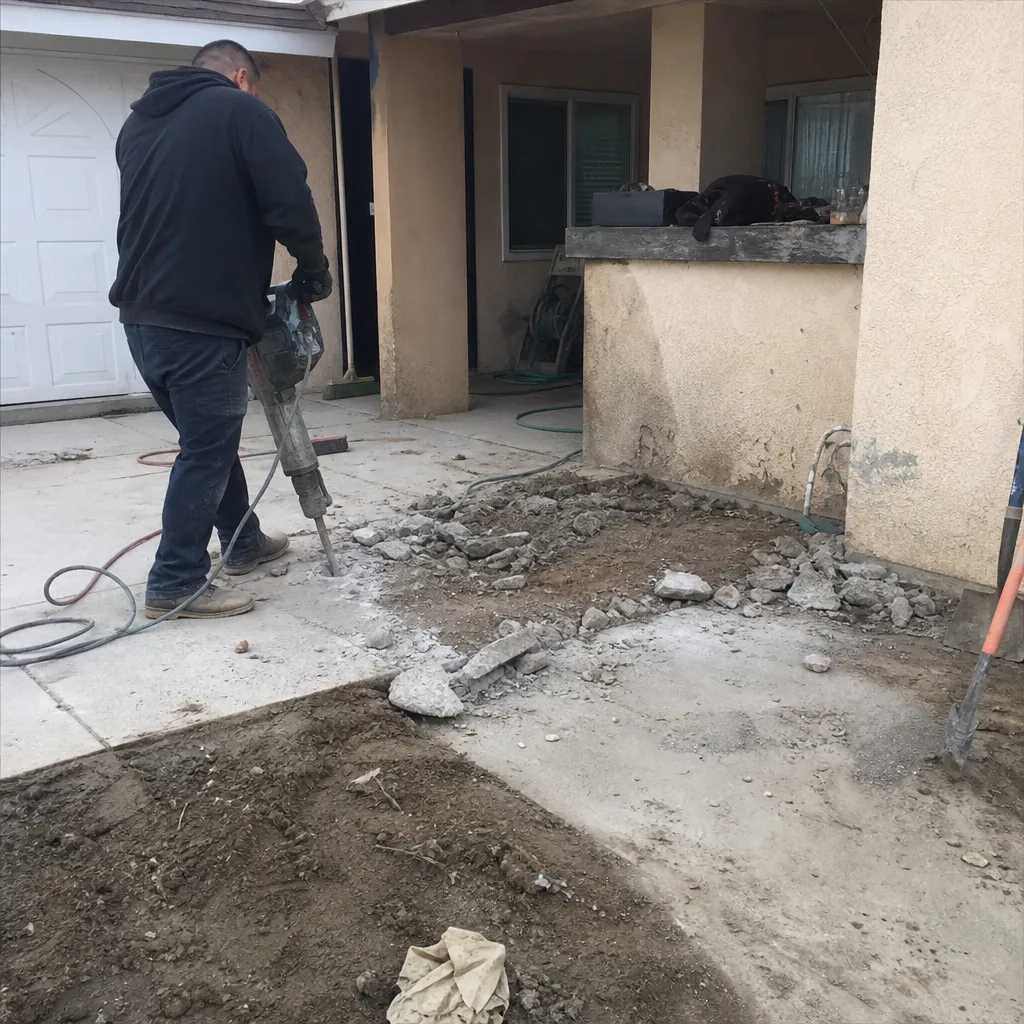 Before
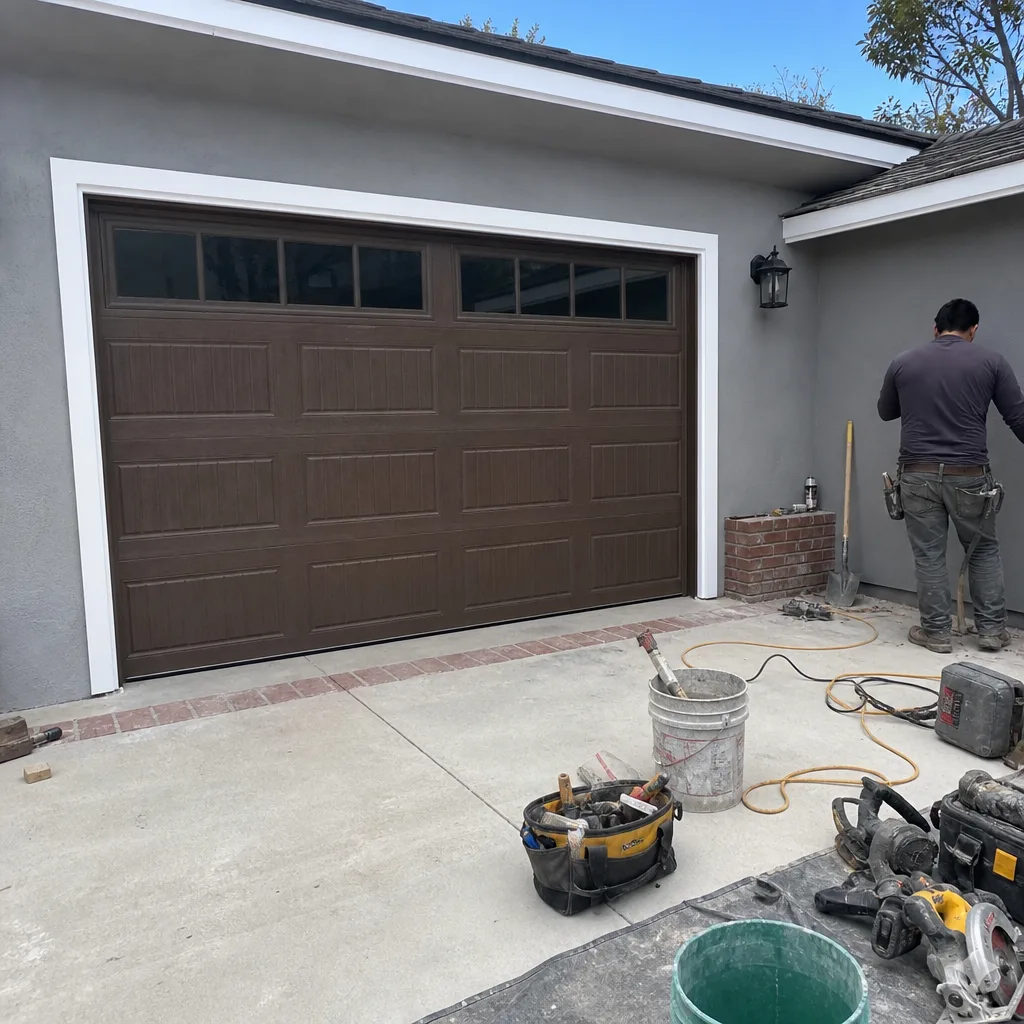 After
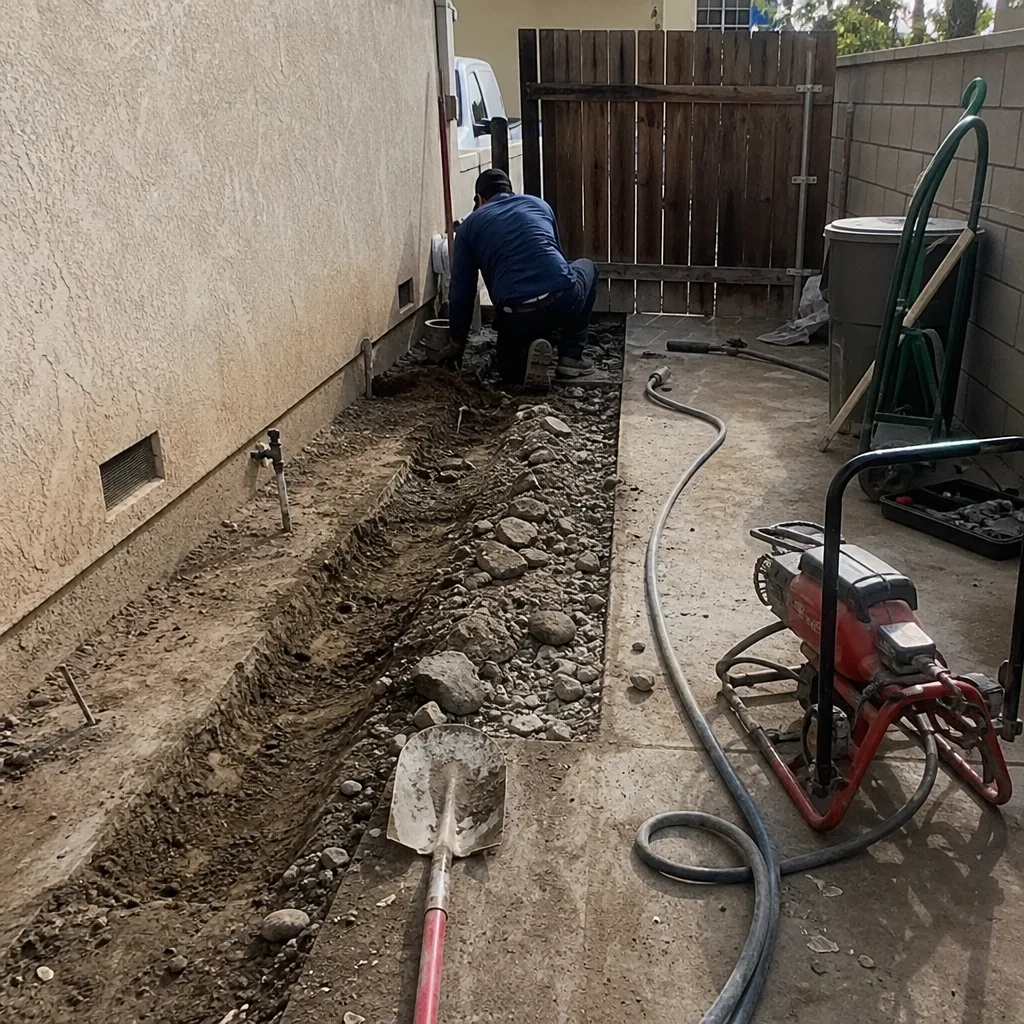 Before
 After
 Before
 After