
Last updated October 31, 2026
 Kitchen remodeling
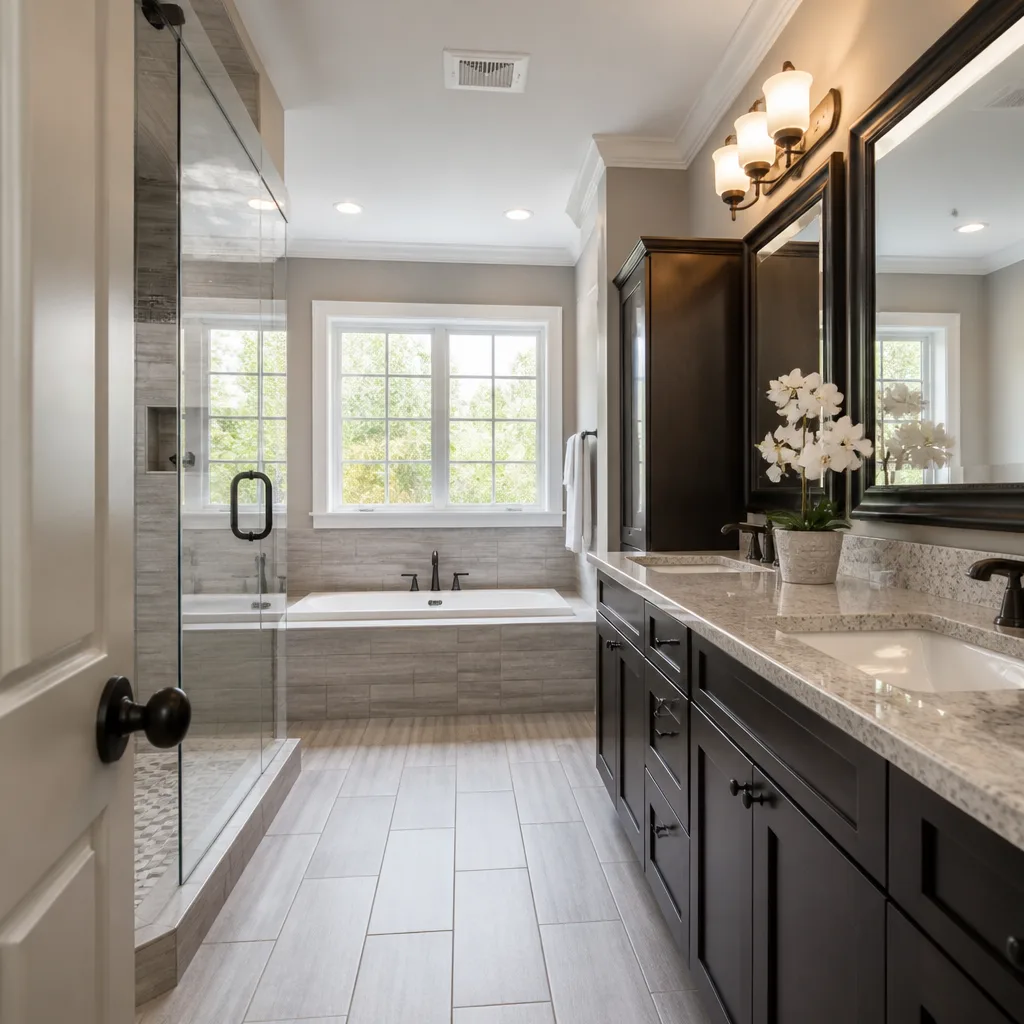 Bathroom remodeling
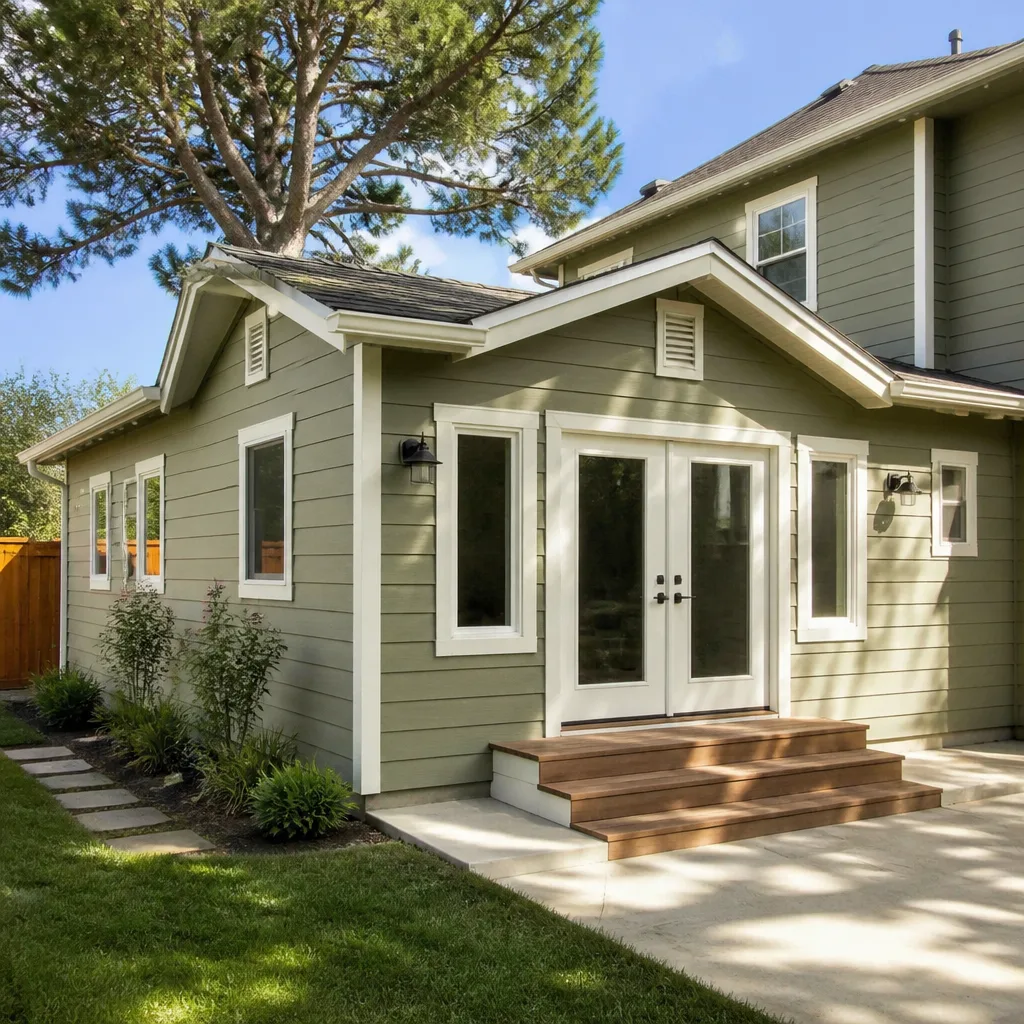 Home additions & ADU
 Roofing
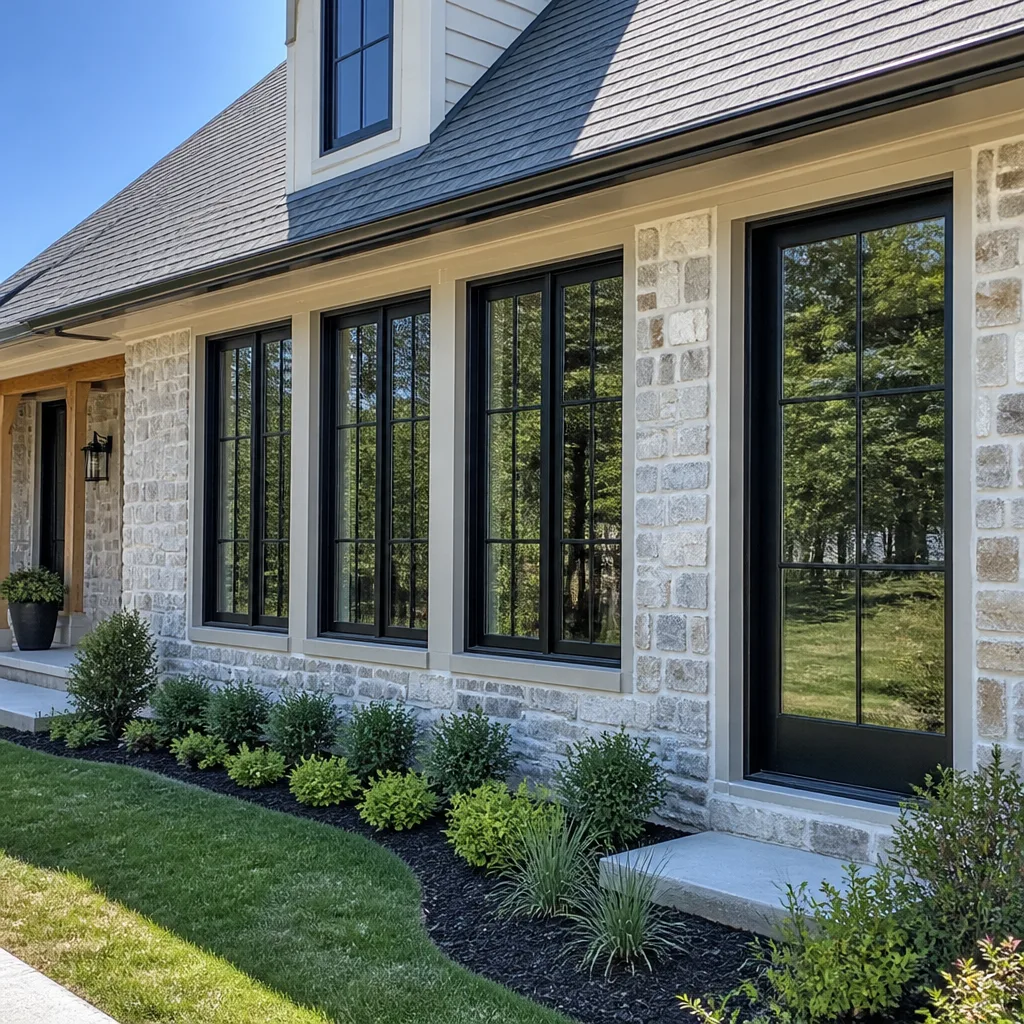 Windows & doors
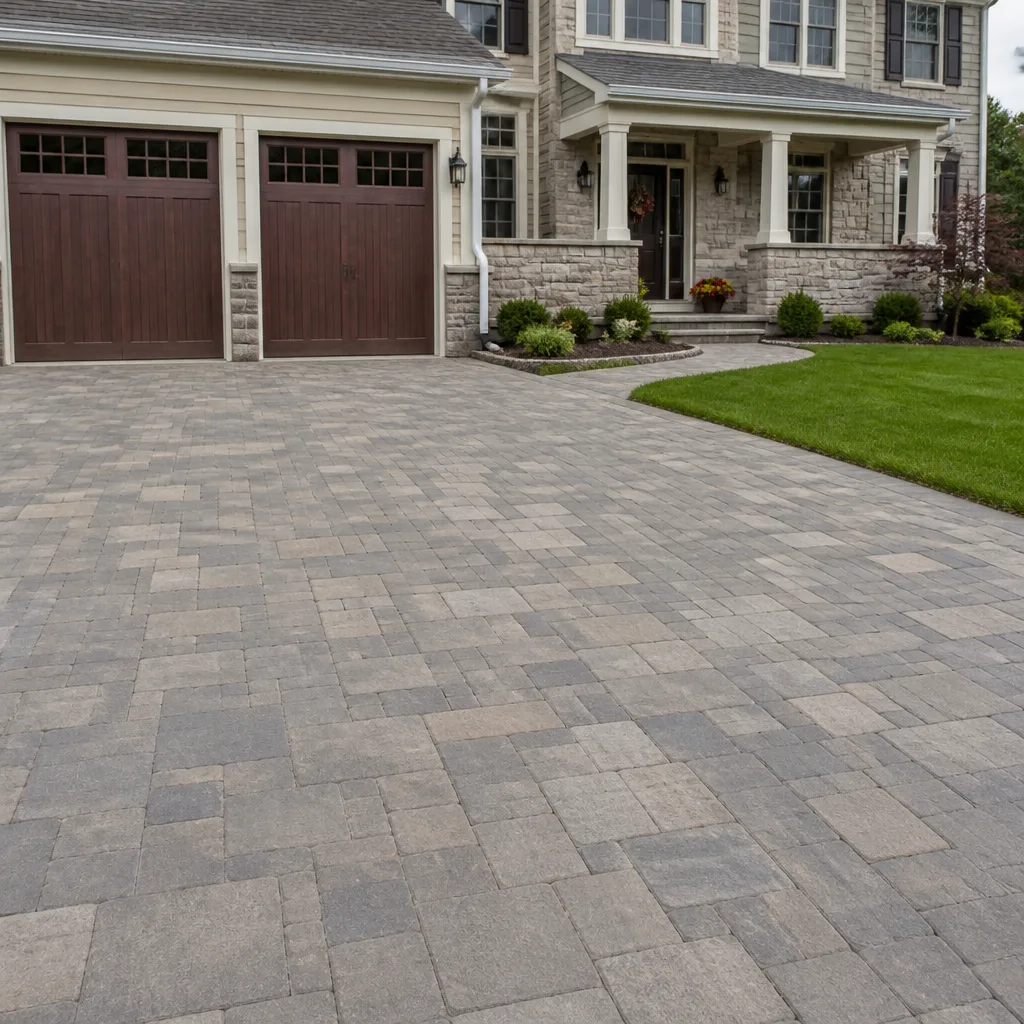 Driveway & pavers
 Fence
Free written scope consultation - allowances, timeline, and change-order rules on paper before a single trade is scheduled
Choosing the Right Construction Brand: A Buyer’s Guide for Rialto
Here’s a truth most homeowners don’t learn until it’s too late: two products can carry the same price tag, the same warranty length, and the same “premium” label, yet perform completely differently on your Rialto home. A window brand rated for coastal California humidity and a window brand rated for Inland Empire UV and thermal swing are often the same MSRP, but they’re not the same product. Installers in Rialto see the difference show up in seal failures within three years. This guide gives you a framework for choosing construction brands that hold up to what Rialto actually throws at them: extreme UV exposure, 100°F summer surface temperatures, and slab-on-grade foundation conditions that punish the wrong flooring choice.
Styles & brands we work with
Quick Answer
The right construction brand for a Rialto home is one whose product specifications match IECC Climate Zone 3B: high solar gain, low humidity, and significant daily thermal swing. Focus on roofing brands with UV-tested warranties (GAF, CertainTeed, Owens Corning), window brands with thermally stable frame materials, and flooring lines that publish thermal expansion coefficients suitable for slab-on-grade concrete. A general contractor with verified brand partnerships can match products to these conditions without the showroom guesswork—something we cover in depth in The Complete General Contractor Guide for Rialto Homeowners.
Table of Contents
- Why Rialto’s Climate Zone Eliminates Half the Brands on the Shelf
- Roofing Brand Selection for Rialto: UV and Thermal Cycling, Not Just Impact
- Window Brand Evaluation: Frame Materials Under Rialto’s Summer Sun
- Flooring on Slab-on-Grade: Which Brands Publish the Numbers That Matter
- Cabinetry Brands and the Rialto Humidity-Proofing Question
- Why Brand-Partner Relationships With a General Contractor Matter
- Common Mistakes to Avoid
- When to Call a Professional
- Frequently Asked Questions
- The Bottom Line
Why Rialto’s Climate Zone Eliminates Half the Brands on the Shelf
Rialto sits in IECC Climate Zone 3B. That designation is not a technicality. It’s a filtering mechanism that should rule out entire product lines before you ever look at a color swatch or a price sheet.
Zone 3B means hot and dry: high solar radiation, low humidity, and wide temperature swings between day and night. A product designed for Zone 4C (marine, cool, damp) or Zone 5A (cold, humid, freeze-thaw cycles) may carry the same brand name and the same warranty language, but its material composition, sealant chemistry, and expansion joint design were never meant for Rialto’s conditions. The result is premature failure that most warranties conveniently classify as “improper installation” or “environmental exposure outside specified parameters.”
Here’s how to read a climate zone rating on any product spec sheet:
- Find the IECC climate zone map reference. Legitimate manufacturers print the tested climate range in their technical documentation, not just the marketing brochure. If the spec sheet doesn’t mention climate zones at all, treat that as a red flag.
- Confirm Zone 3B specifically. Zone 3A is also hot, but it’s humid. Products tested only for 3A may not account for Rialto’s low-moisture conditions, which cause different expansion and contraction behavior in wood composites and vinyl compounds.
- Check the temperature swing tolerance. Rialto regularly sees 30-degree to 40-degree Fahrenheit differences between daytime highs and nighttime lows. Materials that can’t handle repeated expansion and contraction cycles will fail at seams, joints, and sealant lines.
- Verify UV index exposure ratings. Rialto averages a UV index of 8 to 11 through the summer months. Roofing membranes, siding finishes, and window seals rated for UV index 6 or 7 will degrade significantly faster here.
- Look for Southwest or Inland Empire reference data. Some manufacturers publish performance data from test sites in Phoenix, Las Vegas, or Palm Springs. That’s the data that transfers to Rialto. Test data from Seattle or Portland does not.
This is where the Alder Contractors home team spends a significant portion of our product vetting time. We’ve eliminated reputable national brands from our Rialto project recommendations because their climate testing simply wasn’t done for conditions like ours. It’s not that the products are bad. They’re just bad for Rialto.
Roofing Brand Selection for Rialto: UV and Thermal Cycling, Not Just Impact
Most roofing brand comparisons you’ll find online focus on hail impact ratings. That’s the wrong question for Rialto. We get occasional wind, but our primary roofing stressor is relentless UV exposure and daily thermal cycling that bakes shingles, degrades adhesives, and causes sealant breakdown long before impact damage ever becomes a factor.
Here’s what actually matters for a Rialto roof:
- Granule adhesion under UV load. Asphalt shingles lose granules faster under sustained high UV exposure. Once granules go, the asphalt substrate bakes and becomes brittle. Brands that formulate their asphalt blends for high-solar regions hold granules longer.
- Thermal cycling test data. Shingles expand in the afternoon heat and contract overnight. Brands that run accelerated thermal cycling tests (simulating years of Rialto-style swings in months) produce products less likely to crack at the nail line or delaminate at the sealant strip.
- Concrete tile porosity and weight. Concrete tiles handle UV well, but low-quality tiles absorb moisture during rare rain events and then dry unevenly. In Rialto’s dry climate, that uneven drying can create internal stress fractures over time.
Three manufacturers consistently publish the data we look for on Rialto projects:
- GAF: Their high-end asphalt lines include UV-stabilized granules and enhanced sealant chemistry. Their Golden Pledge warranty covers installation workmanship on select systems, which matters when the installer and the manufacturer both stand behind the roof.
- CertainTeed: Their landmark series shingles carry some of the strongest wind and algae resistance in the industry, but for Rialto specifically, their granule retention under extended UV testing is what puts them on our list.
- Owens Corning: Their Duration line uses SureNail technology and a woven fabric reinforcement layer that reduces blow-through and improves thermal stability. Their TruDefinition color platform also means the shingle color you choose doesn’t fade unpredictably under Rialto’s sun.
Warranty length is a useful signal, but only when you read the fine print. A 50-year warranty that excludes UV-related granule loss or thermal cracking within the first 15 years is not a 50-year warranty in Rialto. We always pull the full warranty document, not the marketing summary.
Window Brand Evaluation: Frame Materials Under Rialto’s Summer Sun
Window frames in Rialto take a beating. Summer surface temperatures on south-facing and west-facing walls routinely exceed 130°F. That heat doesn’t just pass through the glass. It soaks into the frame, causing expansion, and then the frame contracts overnight when temperatures drop into the 60s. Repeat that cycle 200 times a year and you’ll see why some window brands fail in Rialto within five years while others last twenty.
Here’s how the three main frame material categories perform under Rialto conditions:
- Vinyl frames: Budget-friendly and widely available, but vinyl has the highest thermal expansion coefficient of the three. Poorly engineered vinyl profiles warp, sag, or develop seal failures at corner welds under repeated 100°F+ cycling. Better vinyl lines (those with multi-chambered profiles and steel reinforcement) hold up, but cheap vinyl does not belong on a Rialto home.
- Fiberglass frames: Fiberglass expands and contracts at a rate very close to glass itself, which means the frame and the glass move together. That reduces stress on seals and keeps the window operating smoothly through temperature swings. Fiberglass costs more upfront, but it’s the material most consistently suited to Rialto’s climate.
- Aluminum-clad wood frames: The wood core provides insulation, and the aluminum cladding protects against UV. However, the junction between the cladding and the wood is a known failure point in dry, high-sun climates where expansion rates differ between the two materials. Well-executed aluminum-clad windows work in Rialto, but only from manufacturers who’ve engineered that junction properly.
Brands we reference on our Home Remodeling in Bloomington projects and carry through to Rialto work include PGT, Therma-Tru, and ECO Window Systems. PGT’s WinGuard line, originally engineered for hurricane zones, delivers frame rigidity and seal integrity that transfers well to high-thermal-stress environments. Therma-Tru’s door systems are built with composite materials that resist warping in low-humidity conditions, which matters as much for entry doors as it does for windows.
One specification to check before buying any window: the design pressure rating and the air infiltration rate. Don’t buy a window unless the manufacturer publishes both numbers. A window that leaks air in a Rialto summer is a window that’s costing you money every single day.
Flooring on Slab-on-Grade: Which Brands Publish the Numbers That Matter
Most Rialto homes are built on slab-on-grade concrete foundations. That matters for flooring selection because concrete slabs transfer moisture and temperature differently than raised wood subfloors. The wrong flooring choice on a slab means buckling, gapping, or adhesive failure within the first year.
When we evaluate flooring brands for Rialto projects, we look for one thing most homeowners never ask about: published thermal expansion coefficients.
Luxury vinyl plank (LVP) and engineered hardwood expand and contract with temperature changes. On a slab that heats up during the day and cools at night, that expansion happens daily, not seasonally. Brands that publish their expansion coefficients are brands that have tested their products under real-world conditions. Brands that don’t publish those numbers are asking you to take their word for it.
Here’s what you’re looking for by flooring type:
- LVP / SPC (stone polymer composite): SPC core flooring is generally more dimensionally stable than WPC (wood polymer composite) under temperature swings. Look for brands that specify linear expansion rates of 0.03% or lower per the ASTM E831 test method. That’s the number that tells you the planks won’t telegraph seams through a summer week.
- Engineered hardwood: The species and cut of the wear layer matters less for Rialto than the core construction. Multi-ply cross-grain cores resist expansion better than single-ply cores. Brands that specify “suitable for slab installation” in writing, with the required moisture barrier and adhesive system, are the ones to shortlist.
- Tile transitions: Direct-sun tile transitions in doorways and along south-facing glass create temperature differentials across a single room. The flooring on the cool side of the room and the flooring in the sun don’t move at the same rate. Brands that acknowledge this in their installation documentation are brands that have thought about your actual house, not a showroom model.
We bring flooring samples to every General Contractor in Bloomington consultation and walk the client through these numbers face-to-face, because a flooring spec sheet is not something you should have to decode alone. In Rialto, the wrong choice shows up fast: gaps at the walls in January, buckled planks in August, and a warranty claim that dies on the phrase “acclimation requirement not met.”
Cabinetry Brands and the Rialto Humidity-Proofing Question
Rialto’s low humidity is a cabinet’s best friend and its worst enemy at the same time. Low humidity means less risk of swelling and warping from moisture, but it also means wood components dry out and shrink. Cabinet doors that fit perfectly in a showroom in Orange County can develop gaps at the seams after a year in Rialto’s dry air.
Cabinet construction quality falls into three tiers, and each tier behaves differently in dry climates:
- Particleboard / MDF core with thermofoil or laminate finish: Budget-friendly, but the core material sheds moisture over time in dry climates, which can cause the finish to separate at edges. Acceptable for low-use areas, but not our recommendation for kitchens that see daily Rialto sun through south-facing windows.
- Plywood core with wood veneer or laminate finish: Plywood is more stable than particleboard under humidity swings. The cross-grain construction resists the dry-air shrinkage that causes panel joints to open up. This is our minimum recommendation for Rialto kitchens.
- Solid wood doors with plywood boxes: Solid wood doors look beautiful but move the most under humidity changes. In Rialto’s dry conditions, solid wood doors need to be properly kiln-dried and finished on all six sides to prevent uneven moisture loss. Brands that skip the backside finish end up with doors that cup within two seasons.
KraftMaid and Wellborn are two cabinet brands we spec regularly on Rialto remodels. Both offer plywood box construction upgrades, and both document their drying and finishing processes clearly enough that we can stand behind them in Rialto’s climate. Sterling, by contrast, offers a budget-friendly line that works well in utility spaces and rental units where long-term dimensional stability is less critical.
One specific check we run on every cabinet order: pull-out shelves and drawer boxes built with dovetail joinery hold up longer than stapled or glued joints under Rialto’s dry-air conditions. Staples and glue alone don’t flex with the wood. Dovetails do.
Why Brand-Partner Relationships With a General Contractor Matter
Here’s where brand selection gets practical. A homeowner walking into a big-box showroom sees 40 faucet brands and assumes more choice equals better outcomes. A general contractor with verified brand partnerships sees 40 faucet brands and already knows which six are worth your money in Rialto.
The difference is product-to-application matching. Brands don’t fail in isolation. They fail when they’re installed in the wrong context. A Grohe faucet with ceramic disc valves is a great product, but pair it with the wrong supply line and hard water from Rialto’s municipal system and you’ll be replacing cartridges every two years. A Toto toilet with a high-efficiency flush system performs differently depending on the drain line slope and venting configuration in your specific home.
Our 50+ brand partnerships at Alder Contractors exist because we’ve verified that each product line works in the conditions our Rialto clients actually have. We’re not a showroom. We’re a filter.
What we verify before recommending a brand on a Rialto project:
- Climate zone testing data: Does the manufacturer publish test results for Zone 3B or equivalent conditions?
- Installation documentation quality: Is the install manual specific enough to hold up a warranty claim, or is it vague enough to deny one?
- Warranty claim history: We track which brands actually pay out claims in Southern California versus which ones find reasons to deny them.
- Local supply chain reliability: A brand that’s always back-ordered doesn’t help your project timeline, no matter how good the product is.
- Compatibility with adjacent materials: A Schluter waterproofing membrane under tile only performs if the tile itself and the thin-set are compatible. We check the entire system, not just the headline product.
This is the part of the job that doesn’t show up in a brand brochure. It’s also the part that determines whether your renovation still looks good five years from now.
Common Mistakes to Avoid
- Buying on price alone. The cheapest option rarely accounts for Rialto’s UV exposure and thermal cycling. You’ll pay the difference in repairs within three years. We’ve seen it happen on window seals and roofing granule loss specifically.
- Trusting warranty length without reading exclusions. A lifetime warranty that excludes thermal cracking and UV degradation is worthless on a Rialto roof. Pull the full document and read the exclusions before you sign anything.
- Ignoring climate zone ratings entirely. Most homeowners don’t know IECC Zone 3B exists. That’s exactly why products designed for other climates end up on Rialto homes. Check the spec sheet, not just the showroom display.
- Choosing brands in isolation from each other. A great window paired with a poorly flashed rough opening still leaks. Brand selection only works when the entire assembly is compatible, and that requires system-level thinking.
- Assuming “premium” means “right for Rialto.” Premium brands build products for national markets. Some of those products are great here. Some are wrong here. Price and prestige don’t tell you which is which.
- Skipping the expansion coefficient check on flooring. If the manufacturer won’t publish thermal expansion data, assume the product hasn’t been tested for slab-on-grade conditions like Rialto’s. That’s not paranoia. That’s pattern recognition.
- Not asking who handles the warranty claim. When a product fails, do you call the manufacturer, the distributor, or the contractor? If the answer is unclear at purchase, it’ll be even less clear when something goes wrong.
When to Call a Professional
Brand selection is not a solo project when the stakes are high. If you’re planning a whole-home renovation, a kitchen or bath remodel, an exterior replacement, or an ADU installation in Rialto, the brand decisions you make now will determine your maintenance costs for the next decade. You don’t need to become a materials scientist. You need someone who already did that work. For more guides & resources on navigating these decisions, see our blog.
Call a professional when your project spans multiple trades, when you’re replacing materials that interact with each other (roofing, flashing, windows, siding), when you’re building on a slab foundation and need flooring that won’t fight the concrete, or when you want warranty coverage that holds up because the entire system was installed by a single accountable party.
Alder Contractors offers free estimates in Rialto – call (833) 467-7020 to schedule yours. We’ll walk your property, look at what you have, and tell you which brands will work and which ones won’t, before you spend a dollar.
Frequently Asked Questions
The best brands for Rialto are those tested for IECC Climate Zone 3B conditions: high UV, low humidity, and wide thermal swings. For roofing, GAF, CertainTeed, and Owens Corning all publish relevant test data. For windows, fiberglass frame lines from PGT and composite door systems from Therma-Tru hold up well. For cabinetry, KraftMaid and Wellborn offer plywood construction suitable for dry climates. For flooring, choose LVP and engineered hardwood lines that publish thermal expansion coefficients for slab-on-grade. Call (833) 467-7020 for a free estimate and specific product recommendations for your home.
Look for the IECC Climate Zone map reference in the product’s technical documentation, then confirm Zone 3B specifically. Check the tested temperature swing tolerance and UV index exposure ratings. If the documentation only shows a general “all climates” claim without specific zone data, the product hasn’t been meaningfully tested for Rialto’s conditions. Contact the manufacturer’s technical support line and ask for the zone testing data directly.
GAF’s Golden Pledge warranty covers installation workmanship on select systems, CertainTeed offers some of the strongest wind and algae resistance in the industry, and Owens Corning’s Duration line includes enhanced thermal stability features. However, the warranty is only as good as its exclusions. Always read the full document to confirm UV-related granule loss and thermal cracking are covered, not excluded.
Yes. Slab-on-grade concrete foundations transfer heat and moisture differently than raised wood subfloors, which means flooring expands and contracts daily rather than seasonally. Brands that publish thermal expansion coefficients have tested their products under real-world conditions. Brands that don’t publish those numbers are asking you to take their word for it. Call (833) 467-7020 for guidance on which flooring lines are safe for slab installation in Rialto.
No. Premium brands build products for national markets, and some of those products are designed for coastal humidity or cold-climate freeze-thaw cycles, not Rialto’s hot, dry conditions. Price and prestige don’t tell you whether a product is right for Zone 3B. Matching the product’s tested climate range to Rialto’s actual conditions is what matters.
A general contractor with verified brand partnerships has already filtered out products that fail in local conditions. They’ve read the warranty exclusions, pulled the test data, and tracked claim histories. That means you’re choosing from a shortlist of products that actually work in Rialto, not guessing from a showroom wall. For help matching brands to your project, call (833) 467-7020 for a free estimate.
The Bottom Line
Brand selection in Rialto is not about finding the most expensive or most advertised product. It’s about finding the product whose tested performance matches the conditions your home actually experiences. Hot days, cool nights, intense sun, and low humidity separate the brands that last from the brands that fail. When you choose brands based on climate zone data, published expansion coefficients, and warranty exclusions, you’re not just buying materials. You’re buying a roof that won’t shed granules, windows that won’t lose their seals, and floors that won’t buckle. That’s the difference between a renovation that looks good on day one and one that still looks good on day 1,800—and it starts with understanding your Construction Cost Breakdown: The Rialto Homeowner’s Reference for 2026.
Written by the team at Alder Contractors, serving Rialto since 2013.
See the difference
 Before
 After
 Before
 After
 Before
 After