
Last updated October 31, 2026
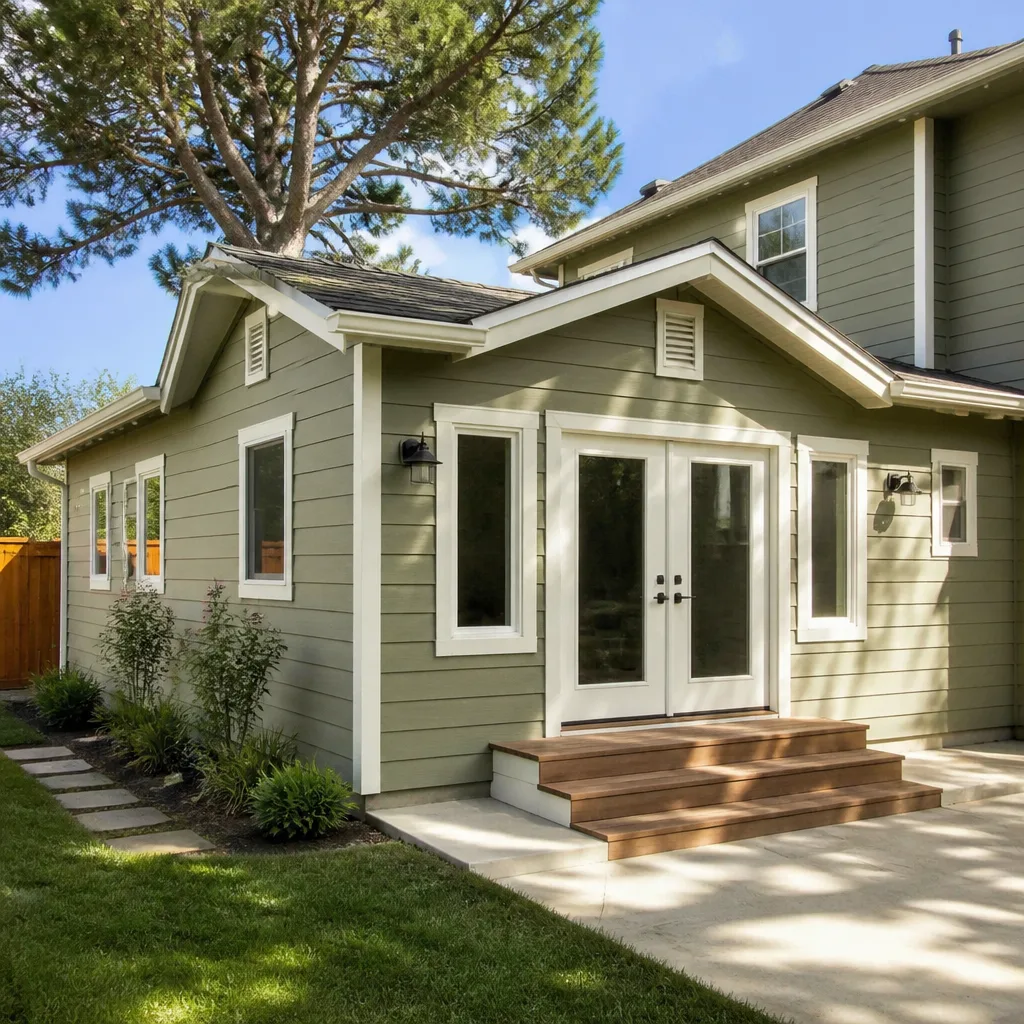 Home additions & ADU
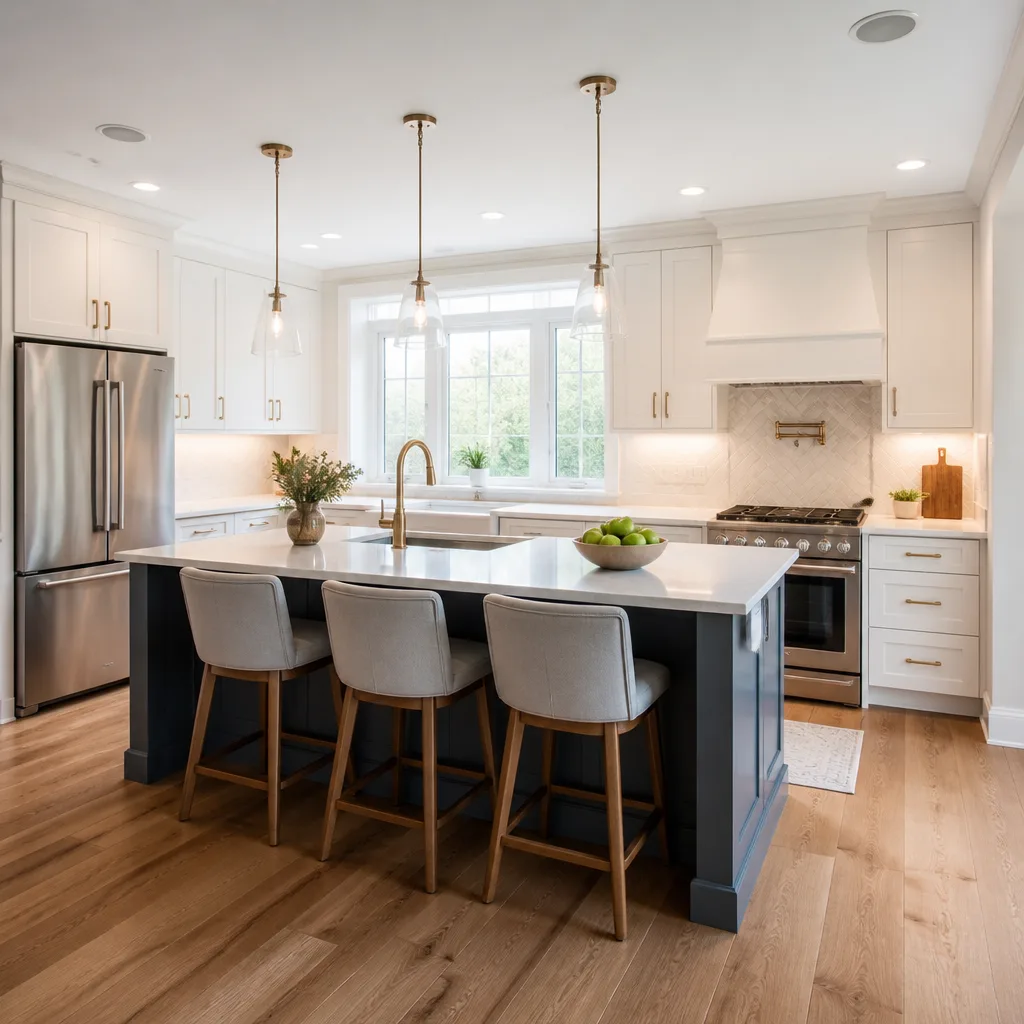 Kitchen remodeling
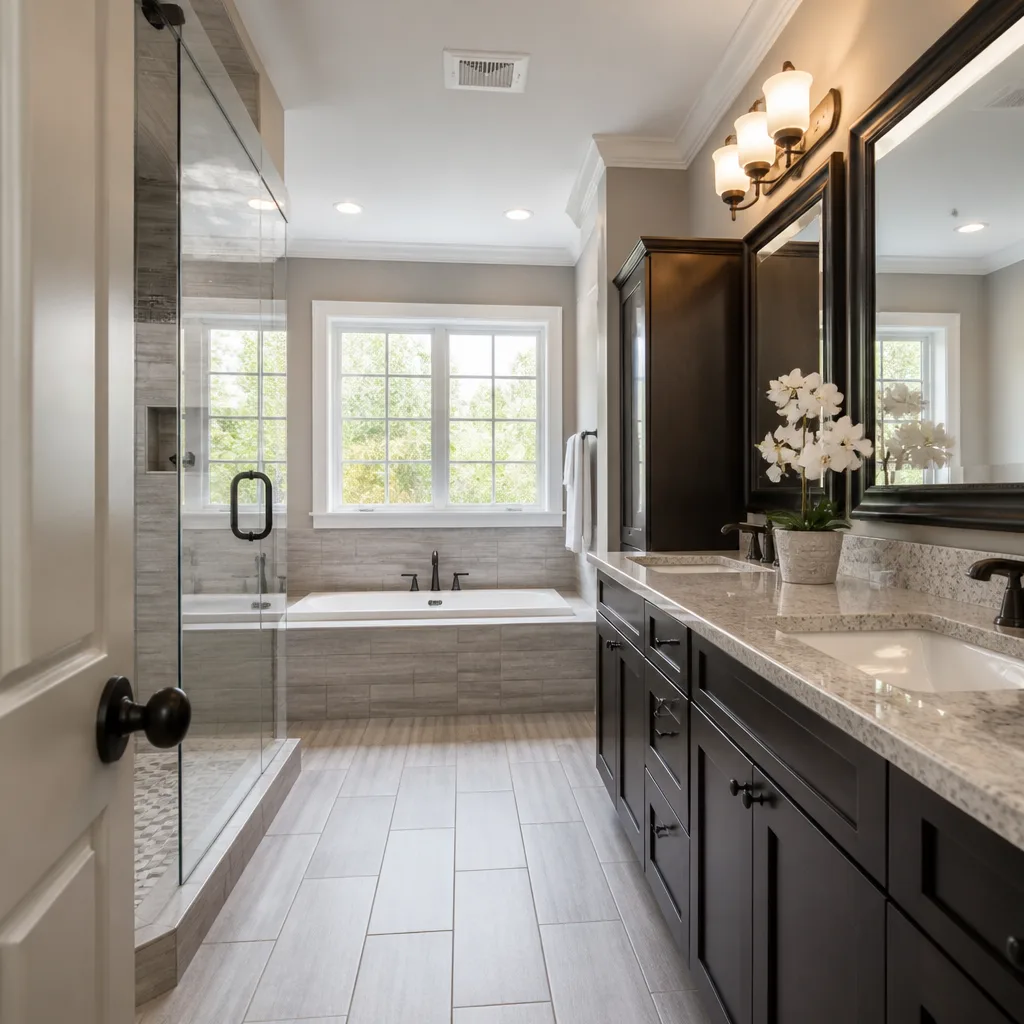 Bathroom remodeling
 Roofing
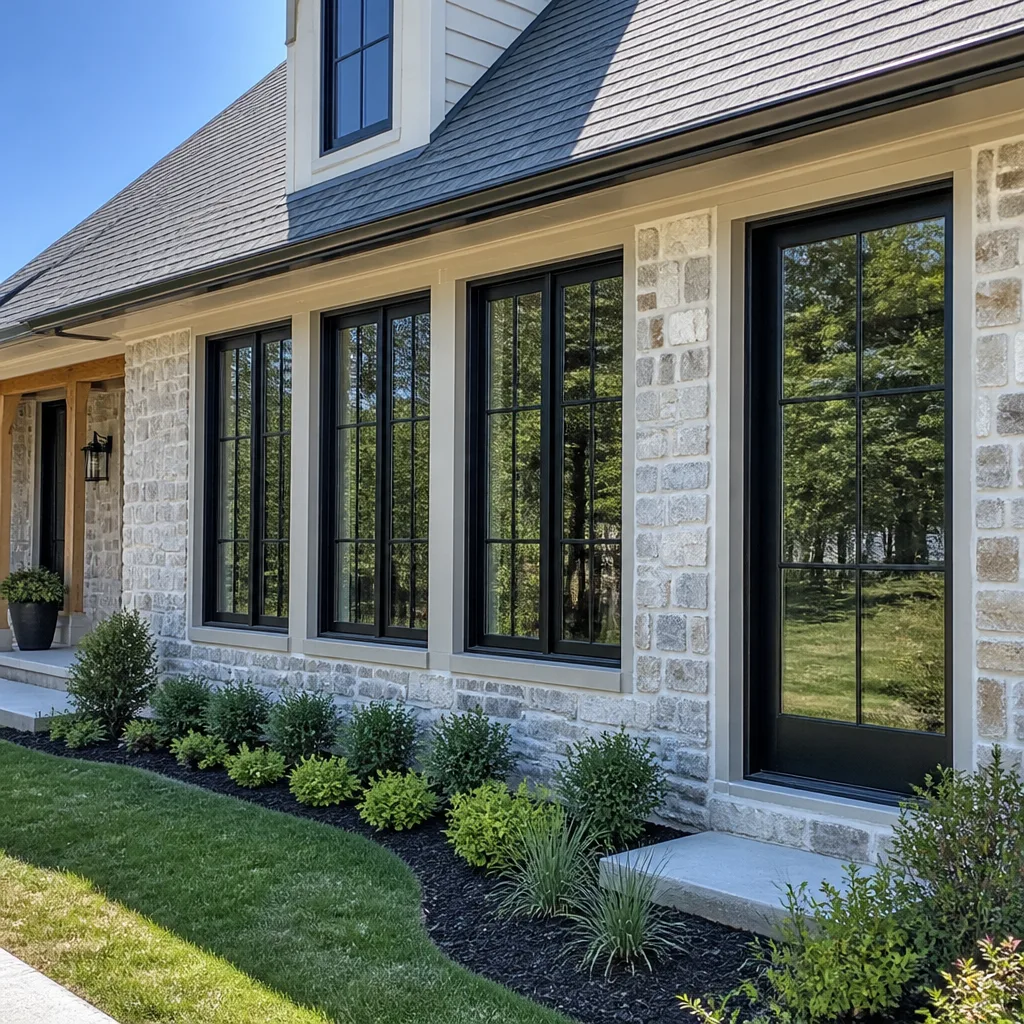 Windows & doors
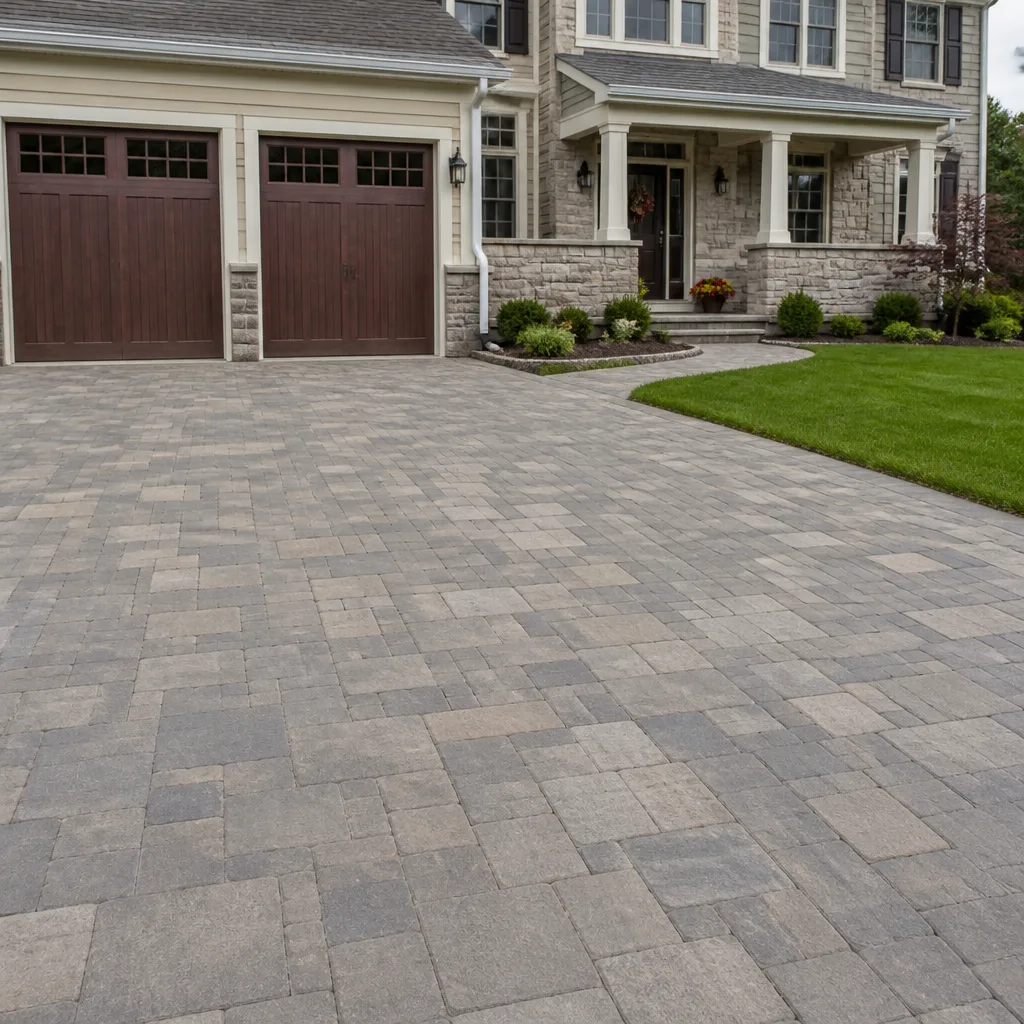 Driveway & pavers
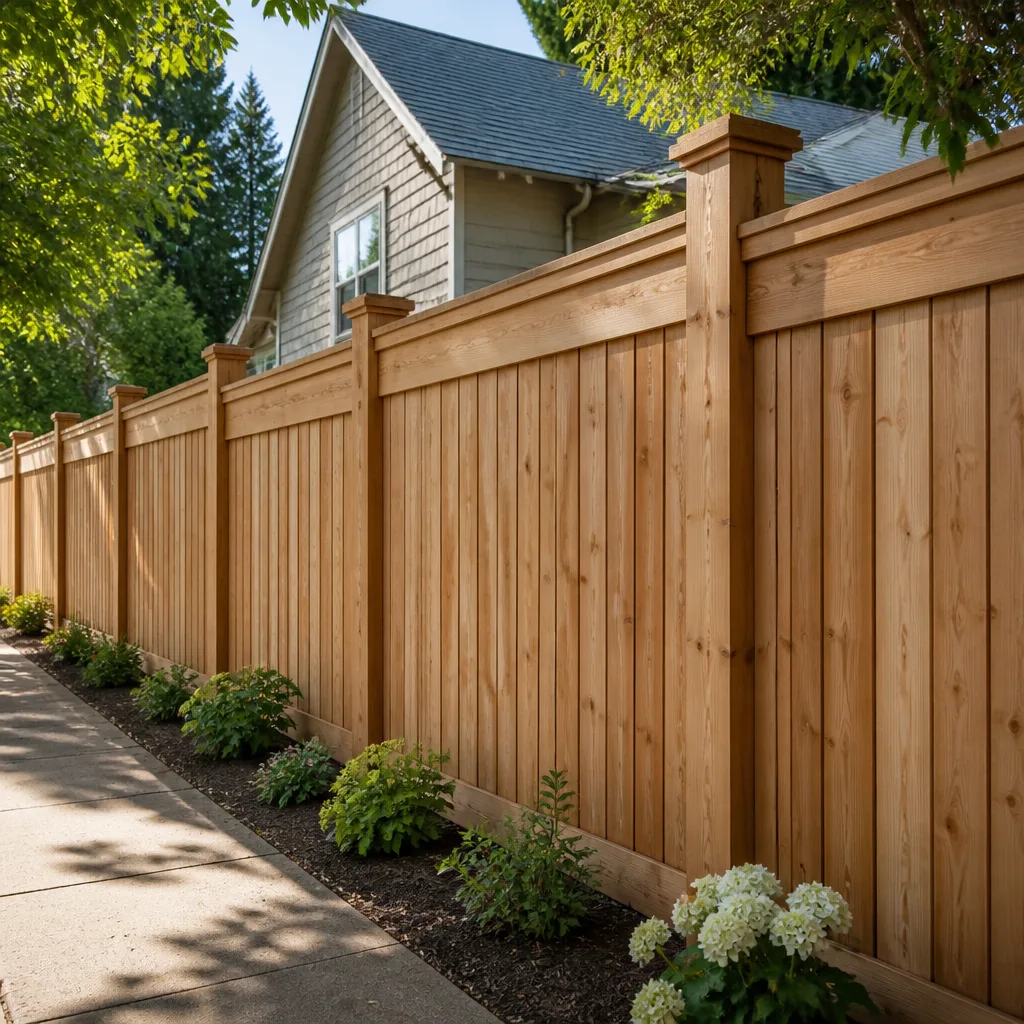 Fence
Free written scope consultation - allowances, timeline, and change-order rules on paper before a single trade is scheduled
The Complete General Contractor Guide for Rialto Homeowners
San Bernardino County issued over 4,200 residential building permits last year, yet Rialto’s Building and Safety Division consistently flags incomplete scope documentation as the leading trigger for stop-work orders and re-review delays. A well-structured general contractor agreement eliminates that risk before the first permit application lands on a plan checker’s desk. This guide gives Rialto homeowners the exact framework to evaluate, hire, and manage a general contractor for mid-to-large-scale renovations, additions, and ADU construction. You’ll learn how Rialto’s permitting timeline differs from Fontana and San Bernardino, what a scope-of-work document must contain, and how to verify a Class B license without getting burned.
Styles & brands we work with
Quick Answer
A general contractor in Rialto manages the permits, subcontractors, materials, and inspection schedule for your renovation, addition, or ADU project under a single contract. Hiring the right GC starts with verifying a California Class B license through the CSLB, reviewing a five-section scope-of-work document, and confirming the contractor holds direct agreements with material and trade partners rather than relying on loose subcontractor relationships. In Rialto specifically, expect residential permit review timelines of two to six weeks depending on project complexity and plan completeness.
Table of Contents
- How Rialto’s Permitting Process Actually Works
- How to Verify a California Class B License
- The Five Sections Every Scope-of-Work Document Must Include
- Single-Source vs. Multi-Contractor Project Delivery
- Why Master Agreements with Trade Partners Matter
- Insurance Certificates for Projects Over $25,000
- ADU and Prefab Construction in Rialto
- Common Mistakes to Avoid
- When to Call a Professional
- Frequently Asked Questions
- The Bottom Line
How Rialto’s Permitting Process Actually Works
Rialto operates its own Building and Safety Division, which means your GC files plans directly with the city rather than through San Bernardino County. This is a meaningful distinction. Fontana and San Bernardino each run separate permitting departments with their own plan check queues, fee schedules, and inspector availability, so a contractor who has pulled permits in neighboring cities still needs to know Rialto’s specific submittal requirements. For The Complete Guide to Construction in Rialto, see our detailed walkthrough. In our experience, three things trigger avoidable delays in Rialto: incomplete site plans, missing structural calculations on additions, and ADU applications that fail to account for Rialto’s setback and parking overlay rules.
Here is what your GC should file upfront on a typical Rialto whole-home remodel:
- Site plan showing property lines, existing structures, and proposed footprint changes.
- Structural drawings stamped by a California-licensed engineer for any load-bearing wall removal, second-story addition, or ADU foundation.
- Title 24 energy compliance documentation for window replacements, HVAC changes, or any project that alters the building envelope.
- Rialto-specific forms including the residential construction waste management plan, which the city enforces more strictly than neighboring jurisdictions.
- Trade permits pulled in sequence: electrical, plumbing, and mechanical each require separate sign-offs before the building inspector can close the final.
Plan review for a kitchen remodel or single-story addition in Rialto typically runs two to four weeks if the submittal is complete. A full home remodel with structural changes or an ADU can stretch to six weeks or longer during the spring construction surge. When a GC files incomplete documentation, Rialto’s re-review queue adds another two to three weeks per cycle. The cost of that delay is not just time. Homeowners carrying construction loans or paying storage fees on appliance deliveries feel every week.
For a wider look at how this fits into a full property transformation, see our Home Remodeling in Bloomington guide, which covers scope planning and sequencing across a multi-room project.
How to Verify a California Class B License
Every general contractor performing work valued at $500 or more in Rialto must hold a California Class B Building Contractor license issued by the Contractors State License Board. Checking that license takes five minutes and protects you from the most common GC horror stories: unlicensed workers walking off mid-project, no bond to cover damages, and no legal recourse when work fails inspection.
Here is the exact sequence to verify a license:
- Go to cslb.ca.gov and click the license check tool. Enter the contractor name or license number.
- Confirm the classification is “B – General Building Contractor.” A Class C specialty license, like C-36 plumbing or C-10 electrical, is not sufficient for whole-home remodeling scope.
- Check the license status. It should read “Active” with no pending suspensions or citations.
- Verify the bond is current. California requires a $25,000 contractor’s bond. If the bond is expired, the license is effectively inactive.
- Look at the workers’ compensation policy. If the GC has employees, they must carry workers’ comp. If the status shows an exemption and the GC shows up with a three-person crew, you are exposed to liability for workplace injuries.
- Note the license issue date. A license number with a high digit count and recent issue date tells you the GC is newer to the trade. That is not disqualifying, but it changes what you should ask about project history and financial capacity.
Rialto’s Building and Safety Division will not issue a permit to an unlicensed contractor. If your GC asks you to pull the permit yourself as a homeowner under an owner-builder exemption, that is a red flag. Owner-builder permits shift liability to you, including workers’ comp exposure and code compliance responsibility. A legitimate Rialto GC pulls the permit under their own license and their own liability insurance.
The Five Sections Every Scope-of-Work Document Must Include
The single most common failure point in a Rialto renovation is a vague scope-of-work document. When a contract says “remodel kitchen” without specifying materials, dimensions, finishes, and exclusions, change orders explode. A proper scope-of-work document is the project’s constitution. Before you sign anything, verify these five sections are present and specific:
1. Demolition and Preparation
This section lists exactly what gets removed, what gets protected, and who is responsible for hauling debris. A Rialto project over $10,000 will almost always require a construction waste management plan filed with the city. The scope should state whether the GC handles the waste plan, dumpster rental, and debris hauling, or whether those line items are separate.
2. Material Specifications
Do not accept “mid-grade cabinets” or “standard countertops.” The scope must name specific brands and model lines. For example: KraftMaid or Wellborn cabinetry with soft-close hardware, Cambria or Silestone quartz in a named color, Kohler or Moen fixtures with specific finish codes. When materials are named, you know exactly what you are paying for. When they are not, the GC can substitute the cheapest available product and pocket the margin.
3. Trade Scope and Sequencing
This section identifies every trade that will step onto the property, what exactly they will do, and in what order the work proceeds. A roofing crew from a GAF-certified contractor, a siding crew installing James Hardie fiber cement, a window installer setting PGT or Therma-Tru units. If the GC is managing true trade partners, those names appear in the scope. If the scope is vague, the GC is likely brokering unknown subs, and you are exposed to mid-project walk-offs and quality disputes.
4. Permits and Inspections
The scope should state that the GC will pull all required Rialto permits, schedule inspections, and be present for every inspection until final sign-off. If the GC says “owner responsible for permits,” walk away. A legitimate general contractor carries the permit burden as a core contractual obligation.
5. Exclusions and Allowances
Every scope has an exclusions list. Fixtures not included, appliances not included, landscaping not included. Allowances cover items where the homeowner selects during construction, like tile or paint. The scope should list each allowance amount so the final cost is predictable, not a moving target. If an allowance is too low, the homeowner pays the overage. A $2 per square foot tile allowance does not get you designer tile, and a vague allowance creates surprise invoices.
Single-Source vs. Multi-Contractor Project Delivery
Rialto homeowners choosing between hiring one general contractor or managing three separate specialty contractors face a real trade-off. The multi-contractor route looks cheaper on paper because each trade bids independently. The single-source route costs more in GC markup, typically 15 to 20 percent, but eliminates the coordination burden that destroys timelines.
Here is a realistic comparison for a $120,000 kitchen and exterior remodel in Rialto:
- Multi-contractor approach: You hire a kitchen remodeler, a siding contractor, and a roofing company separately. Each has their own schedule, their own permit filings, and their own material lead times. You are the project manager. If the siding crew discovers rot behind the sheathing that the kitchen remodeler’s framing crew was supposed to address, the siding contractor stops work, charges a remobilization fee, and leaves while you mediate between the two companies. Total project time on a job that should take 10 weeks stretches to 16 or 18 weeks.
- Single-source approach: One GC manages the kitchen, siding, and roofing under a single contract with a single permit package and a single inspection schedule. The GC’s framing crew addresses the rot before the siding crew arrives because the GC already scheduled that contingency. The siding goes up, the roof ties in, the kitchen proceeds without delay. Total project time holds at 10 to 12 weeks.
The cost difference is real. You will pay more for the single-source GC. But the cost of a delayed project, a remobilization fee, or a stop-work order in Rialto can erase that savings quickly. See our Construction Cost Breakdown: The Rialto Homeowner’s Reference for 2026 for detailed numbers. A homeowner who carries a construction loan pays interest every week. A homeowner who rented temporary housing pays rent every week. The $18,000 GC markup on a $120,000 project can vanish into four weeks of delay and two change orders.
Our approach at Alder Contractors reflects this reality. We hold master agreements with material partners and trade crews across every major category, which means the project moves through a single accountability chain rather than a patchwork of independent schedules. For more on how this applies to broader renovation work, read our Home Renovation in Bloomington page.
Why Master Agreements with Trade Partners Matter
There is a structural difference between a GC who “manages subs” and one who holds direct agreements with named trade and material partners. The first is a broker. The second is a builder. In Rialto’s Inland Empire labor market, where competition for skilled crews is intense and subcontractor walk-offs are a known risk on mid-sized projects, the difference determines whether your project finishes.
A GC with master agreements has negotiated standing terms with specific roofing crews, siding installers, electricians, and plumbers. Those crews prioritize the GC’s projects because the GC feeds them consistent work. When you hire that GC, you inherit the priority relationship. A GC who cold-calls subs for every project gets whoever is available, at whatever price the market demands that week, with no leverage to enforce quality or scheduling.
Material access works the same way. A GC with direct relationships at cabinet manufacturers, countertop fabricators, and fixture distributors can pull product on time and resolve defects directly. A GC buying through a big-box retail chain waits in the same queue as every DIY homeowner.
For Rialto homeowners, the question to ask a prospective GC is not “do you have subs?” It is “can you name the specific trade crews and material partners that will be on this job?” Specificity is the test. If the GC can name the roofing manufacturer they are certified through, the cabinet lines they carry, and the electrician who will pull the panel permit, you are talking to a builder. If the answer is “we’ll line that up,” you are talking to a broker.
Alder Contractors brings more than 50 named material partners across every major category, including James Hardie for fiber cement siding and Boxabl for prefab ADU construction. The brand portfolio means a Rialto homeowner can select Cambria quartz, Kohler fixtures, GAF roofing, and Belgard pavers through one contract without juggling designer appointments and supply house accounts.
Insurance Certificates for Projects Over $25,000
Any Rialto renovation or ADU project over $25,000 should trigger a request for supplemental insurance certificates beyond the basic CSLB bond. The bond only covers $25,000 in damages. A whole-home remodel or ADU construction involves far more exposure than that.
Request these three certificates from your GC before signing:
- General liability insurance with a minimum of $1 million per occurrence and $2 million aggregate. This covers property damage and bodily injury caused by the GC’s work. Rialto’s Building and Safety Division may ask to see this certificate before issuing the permit.
- Workers’ compensation insurance covering every employee who will step onto your property. If a worker is injured on your property and the GC lacks workers’ comp, the injured worker can file a claim against your homeowner’s policy.
- Builder’s risk insurance covering the structure during construction. If a fire, wind event, or theft damages the partially completed work, builder’s risk covers the rebuild. Your homeowner’s policy likely excludes ongoing construction exposure.
Ask the GC to list you as an “additional insured” on the general liability certificate. This extends coverage to you directly, which means the GC’s insurer defends you if a third party sues over the project. A legitimate GC provides these certificates without hesitation. A GC who stalls or claims “the bond covers everything” is either underinsured or has had claims problems.
ADU and Prefab Construction in Rialto
Accessory dwelling units have become the most active segment of Rialto’s residential permit pipeline, and the city has streamlined ADU review in response to state mandates. A properly filed ADU application in Rialto is subject to a 60-day statutory review window, but incomplete applications still get kicked back, and the clock resets with each resubmittal.
The traditional ADU path involves site-built construction: foundation, framing, utilities, finishes. It works, but it is slow. A site-built ADU in Rialto typically runs five to nine months from permit application to final inspection, depending on scope and utility connections.
The prefab path changes the timeline. Companies like Boxabl and Plant Prefab build the structure off-site while the GC prepares the foundation pad, utility stubs, and site access. When the module arrives, the GC sets it, ties in utilities, and handles the final inspections. Total project time on a prefab ADU can compress to three to five months in Rialto, with significantly less on-site disruption to the main residence.
A GC experienced in prefab installation manages the site preparation, crane logistics, and utility connections, which is where most well-intentioned homeowner-led prefab projects go sideways. The module delivery is the easy part. The foundation tolerance, utility tie-in, and inspection sequence are where expertise matters.
For homeowners evaluating whether a whole-home renovation or a targeted remodel makes more financial sense, our General Contractor in Bloomington page walks through scope and cost decision-making.
Common Mistakes to Avoid
- Signing a contract without a full scope-of-work document. If the scope is not specific enough to price line by line, you will pay for the ambiguity later in change orders. Rialto’s plan check process punishes vague scopes with re-review delays, and the financial punishment lands on you.
- Skipping the CSLB license verification. Five minutes on cslb.ca.gov tells you whether the GC is licensed, bonded, and insured. Rialto will not issue permits to unlicensed contractors, so an unlicensed “GC” asking you to pull an owner-builder permit is asking you to absorb their liability.
- Choosing the lowest bid without comparing scope. A $95,000 bid with a complete scope beats an $82,000 bid with vague allowances. The lower bid will grow through change orders until it matches or exceeds the higher bid.
- Ignoring the exclusions and allowances section. Every scope has exclusions. Read them carefully before signing. If the GC excludes something you assumed was included, the cost to add it later is higher than it would have been on day one.
- Not requesting insurance certificates on larger projects. The $25,000 CSLB bond is not enough coverage for a $100,000 remodel. Request the certificates and verify the coverage before work begins.
- Managing multiple specialty contractors yourself to save the GC markup. The markup exists for a reason. Coordination, scheduling, permit sequencing, and contingency management are real work. When you inherit that work, you also inherit the risk.
When to Call a Professional
Any project that requires a Rialto building permit, structural changes, or coordination between two or more trades belongs in the hands of a licensed general contractor. That includes kitchen and bath remodels that move plumbing or electrical, additions, whole-home renovations, exterior replacements involving siding and roofing, and any ADU project. If the work involves load-bearing walls, panel upgrades, or gas line changes, a licensed GC is not optional. The risk of doing it wrong is not a cosmetic flaw. It is a code violation, a failed inspection, and a resale liability.
Alder Contractors offers free estimates in Rialto. Call (833) 467-7020 to schedule yours. We will walk the property, identify what the project actually requires, and put a written, line-item scope in front of you before any contract is signed.
Frequently Asked Questions
General contractor fees in Rialto typically range from 15 to 20 percent of the total project cost for full-service management, meaning a $100,000 renovation includes $15,000 to $20,000 in GC fees. The exact percentage depends on project complexity, material selections, and whether the GC holds direct trade partner agreements that reduce coordination overhead. Call (833) 467-7020 for an exact quote on your project.
A typical kitchen remodel in Rialto runs six to ten weeks from demolition to final inspection, assuming the permit package was complete on first submittal and materials were ordered before demo began. Custom cabinetry adds four to eight weeks to the material lead time. Structural changes, like removing a load-bearing wall, add engineering and plan review time that can push the total to fourteen weeks or more.
Yes. Every ADU in Rialto, whether site-built or prefab, requires a building permit from the city’s Building and Safety Division. Rialto follows California state ADU mandates that require the city to review complete applications within 60 days, but incomplete submittals reset the clock. A GC experienced with Rialto ADU requirements will file a complete package the first time.
A California Class B license authorizes the holder to contract for general building work involving two or more unrelated trades, which is what whole-home remodeling requires. A Class C specialty license covers a single trade, like plumbing or electrical. For a Rialto project that includes kitchen remodel, bathroom remodel, and exterior siding, you need a Class B GC, not a specialty contractor.
You can file an owner-builder permit and act as your own GC in Rialto, but you absorb the liability that would otherwise sit with a licensed contractor. That includes workers’ compensation exposure if an uninsured worker is injured on your property, code compliance responsibility for every trade, and the coordination burden of scheduling multiple subcontractors. Owner-builder permits are a legitimate path for small, single-trade projects, not for whole-home renovations.
Only if the scope changes. A properly written scope-of-work document with named material specifications, explicit floor-plan dimensions, and a detailed allowances schedule produces a fixed price that holds. Change orders happen when the homeowner changes the scope, when hidden conditions are uncovered, or when the original scope was too vague to nail down pricing. Call (833) 467-7020 for a written, line-item scope before you sign anything.
The Bottom Line
Hiring a general contractor in Rialto is a project architecture decision. The structure you choose on day one, a verified Class B license, a five-section scope-of-work document, named trade partners, and proper insurance coverage, determines whether your remodel finishes on schedule or drowns in change orders and re-review delays. Rialto’s permitting process rewards complete documentation and punishes vagueness. A GC with direct material and trade relationships moves through that process faster and with fewer surprises. A homeowner juggling multiple specialty contractors inherits every coordination risk. Choose the structure that protects your timeline, your budget, and your property. Call Alder Contractors at (833) 467-7020 for a free estimate on your Rialto renovation, addition, or ADU project.
Written by the team at Alder Contractors, serving Rialto since 2013.
See the difference
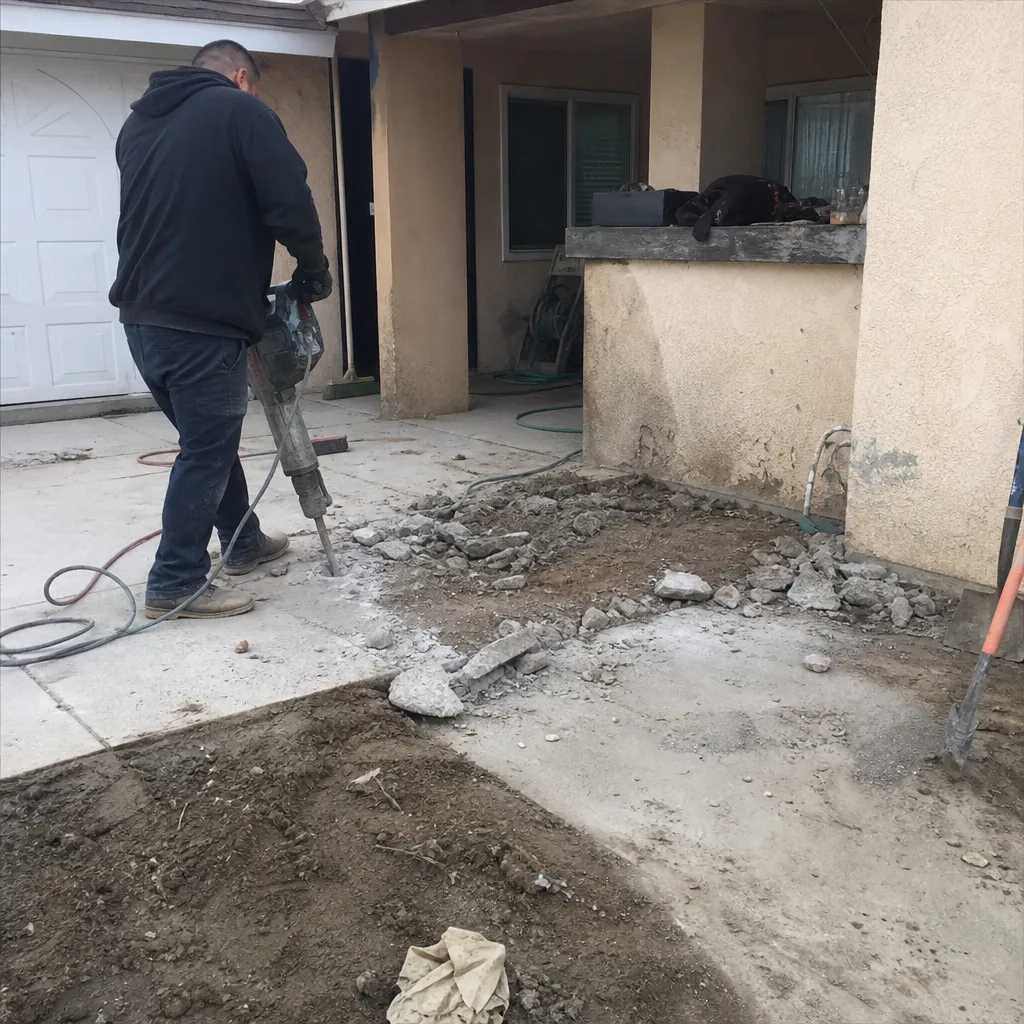 Before
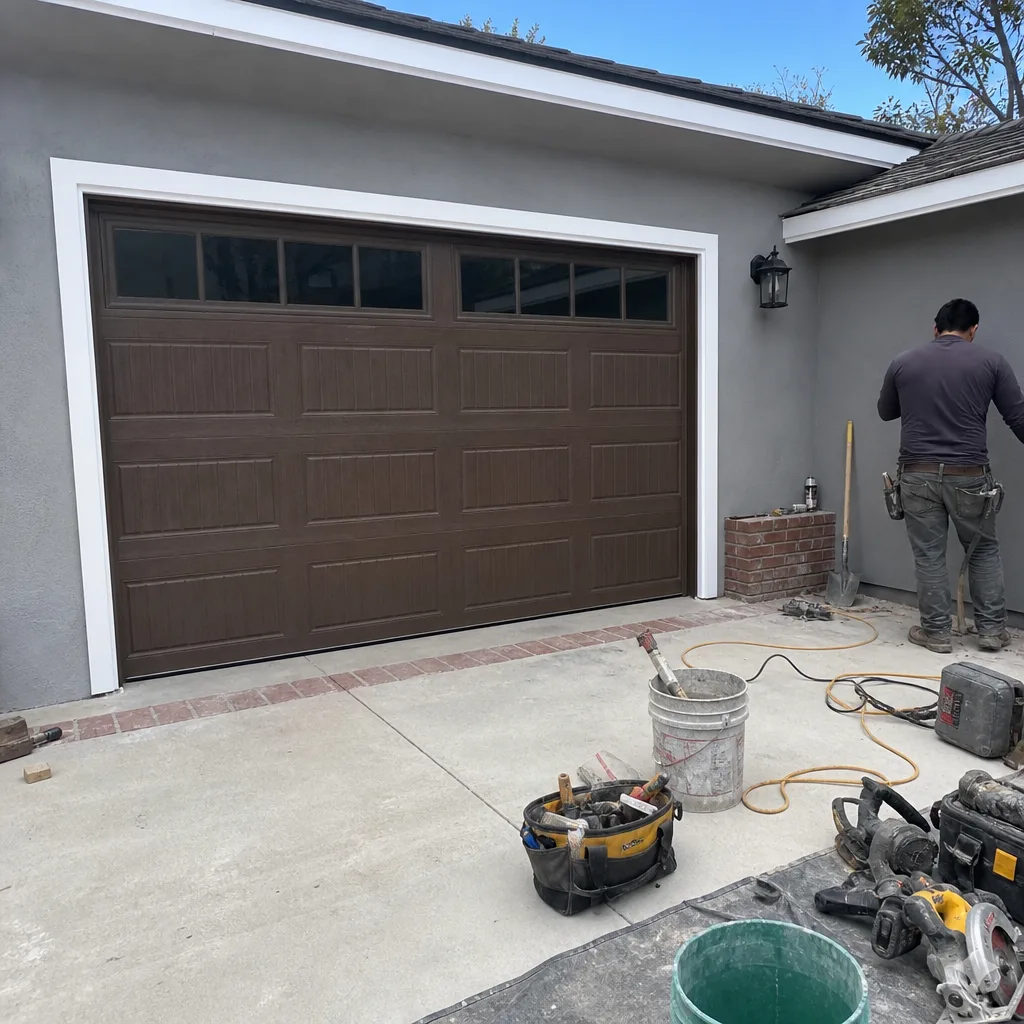 After
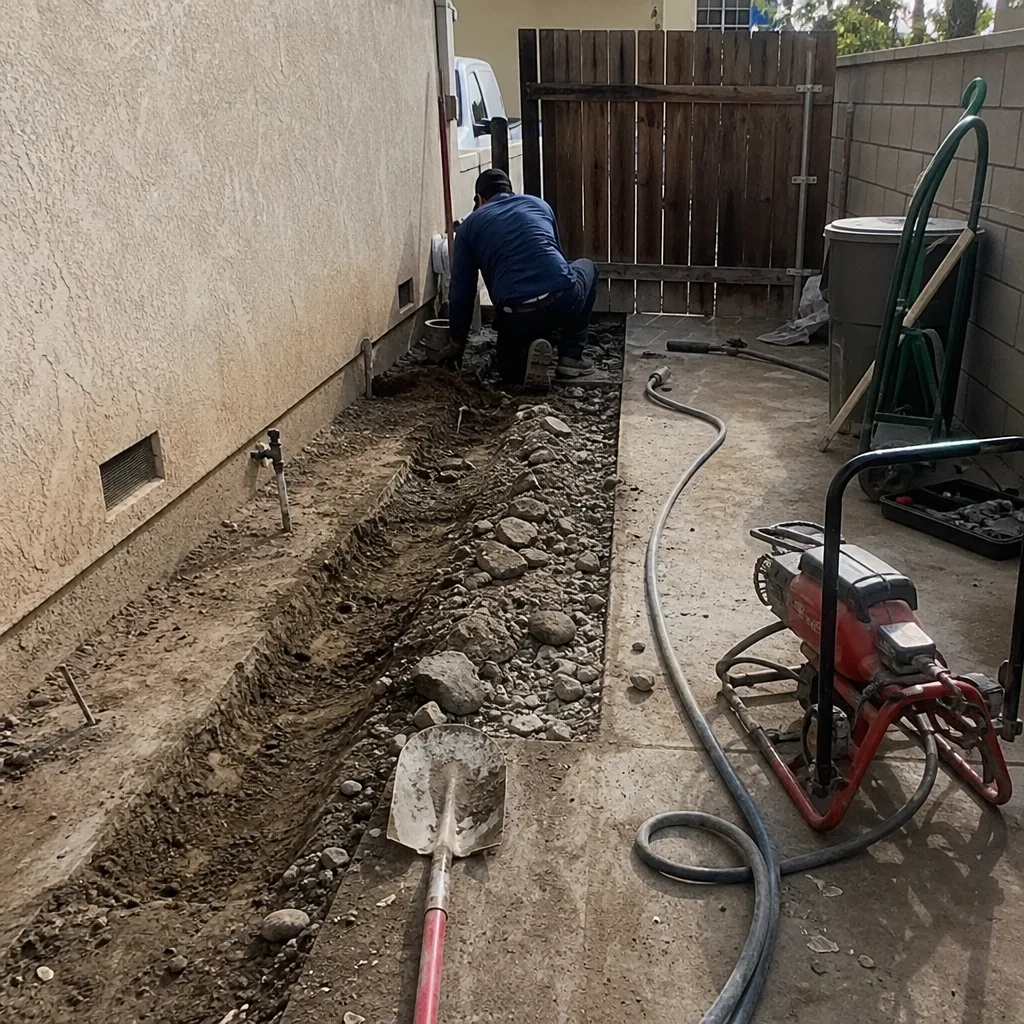 Before
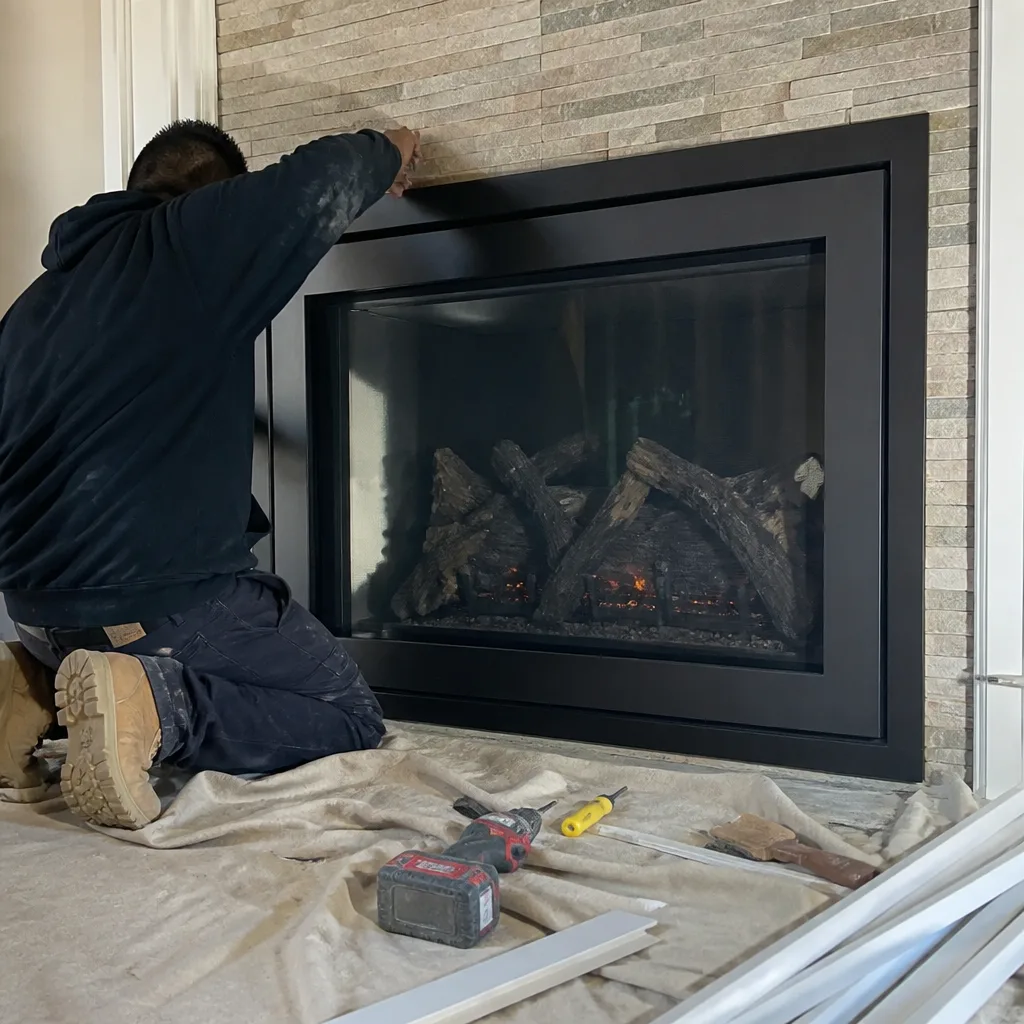 After
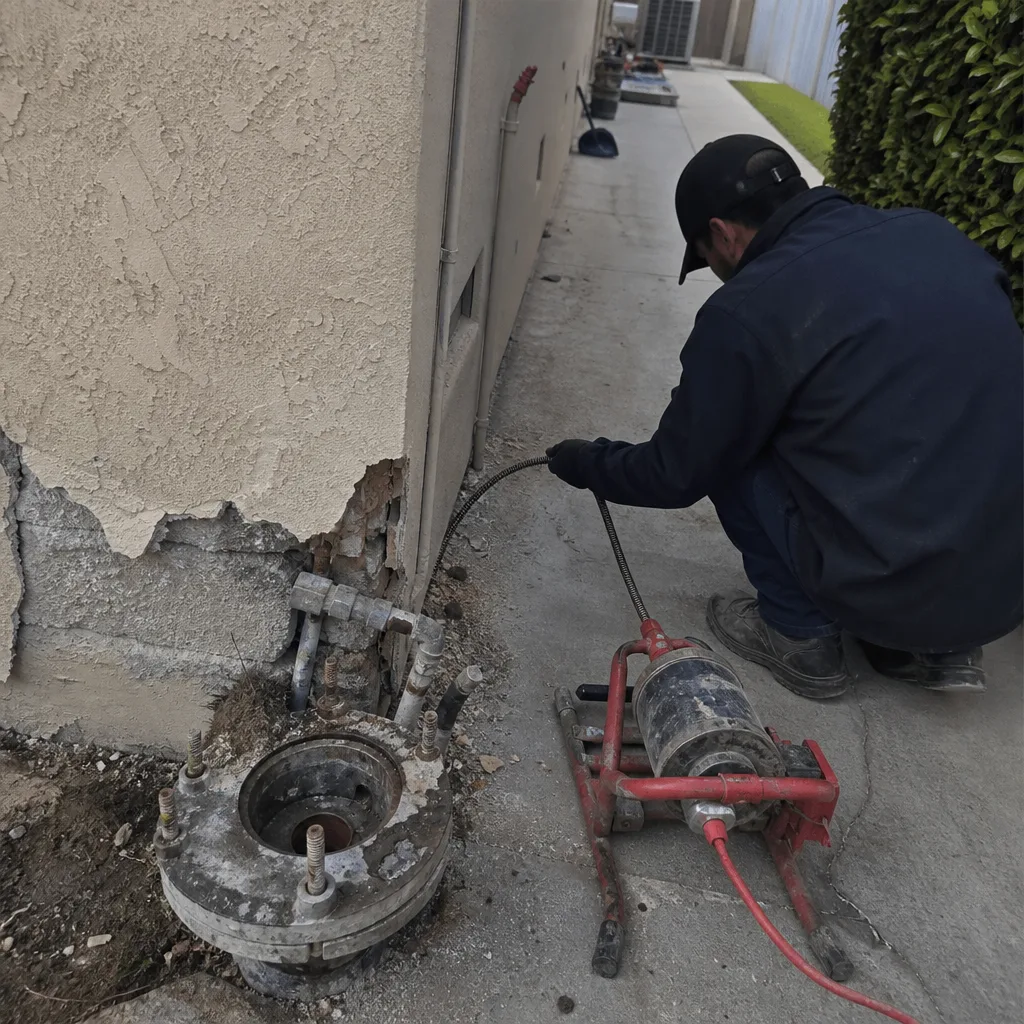 Before
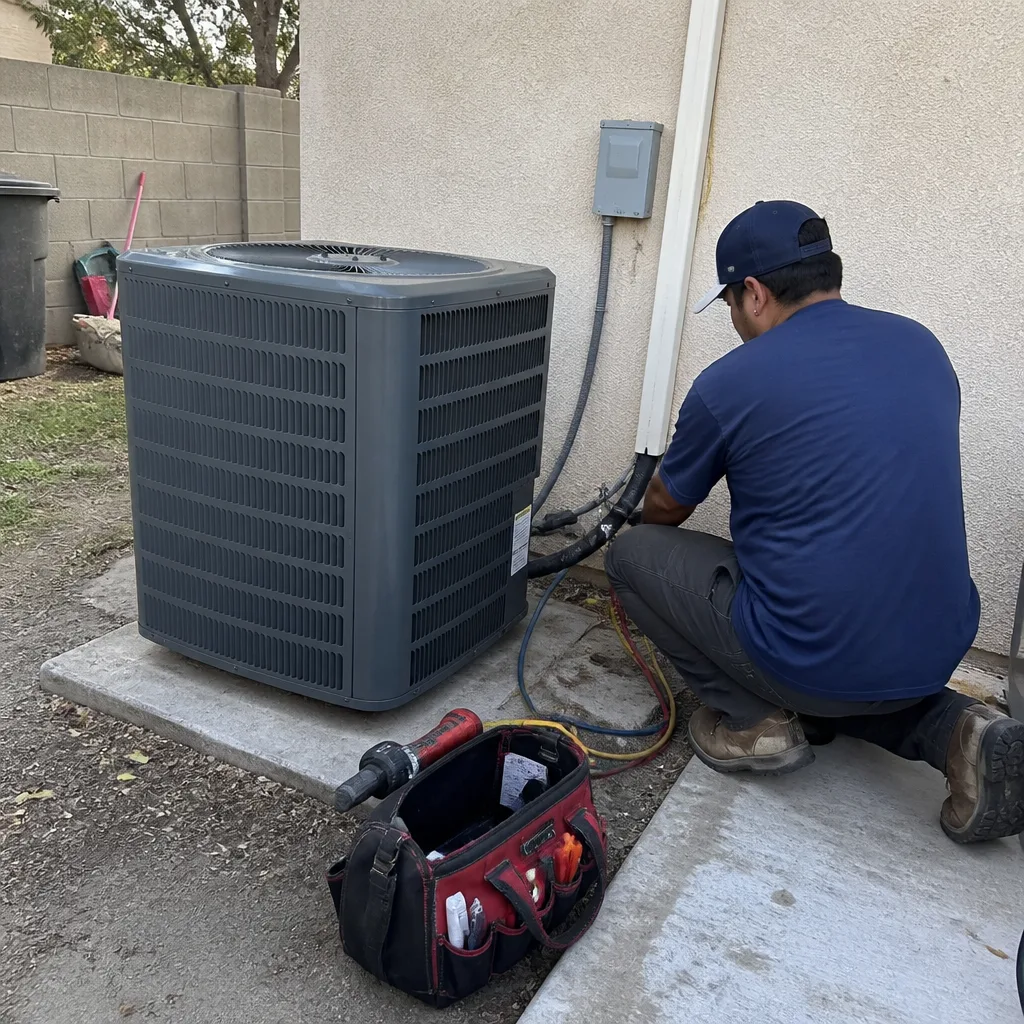 After